
Morphic Pantheon
The Lycanthrope Pantheon
CHARACTER: Sticking to the shadowy corners of mythology is a pantheon that’s as unpredictable as the curse that defines them—the lycanthrope gods. These powers embody the struggle between civilisation and primal instinct. Each god bears the tension of two conflicting natures, bound together in a single shifting form, sometimes changing willingly and sometimes less so. This pantheon operates less like a organised hierarchy of gods than a dysfunctional family. They’re bound by their shared curse, but divided by the ways they embrace, struggle against, their duality.
The Morphic Pantheon spans the moral spectrum, from the benevolent protector-bear Balador who watches over forests with paternal wisdom, to the bloodthirsty wolf Daragor who delights in sating his endless hunger for violence. Between these extremes you can find powers like the vain and playful Ferrix, the patron of weretigers, who embodies curiosity and cruelty in equal measure, and the paranoid Squerrik, the cowardly rat-lord who teaches his followers to survive through stealth and scavenging rather than confrontation. Perhaps most intriguing though is Eshebala, the Vixen Queen of foxwomen, whose obsession with material wealth and beauty drives her to destroy anything she cannot possess. The conflicts between these powers mirrors the eternal struggle which rages within every lycanthrope’s soul.
While neither power is a formal member of the pantheon, the shadows of Malar and Selûne loom large over the gods. The graybeards don’t agree on the origin of lycanthropy, but Malar is credited with twisting it into a violent curse, and Selûne with blessing some lycanthropes to protect them from wickedness.
The Morphic powers are neither allies nor absolute enemies, but rather a collection of related powers whose interests sometimes align and more often clash violently. Family ties run through the pantheon—Ferrix and Balador are siblings despite their vastly different temperaments, while romantic relationships between the werepowers have created an even more complex web of divine politics. These powers understand each other in deep ways that single-natured deities cannot, yet their fundamental philosophical differences about how to embrace or control their natures creates endless conflict. Their myths are filled with misunderstandings born from assumptions that others share their particular approach to managing the beast within.


| NAME | PORTFOLIO | REALM / NOTES | PRONOUNS | ALIGNMENT | POWER LEVEL |
|---|---|---|---|---|---|
| Balador | Protection; fraternity; werebears | Beastlands / Brux / Ursis | He/Him | CG | Lesser |
| Camazotz | Bats; evil; vampires; underworld; werebats | Deep Ethereal / Xibalba / the Caverns of Blood ‡; Abyss / Descolada / the Killing Forests ‡ | He/Him | CE | Lesser |
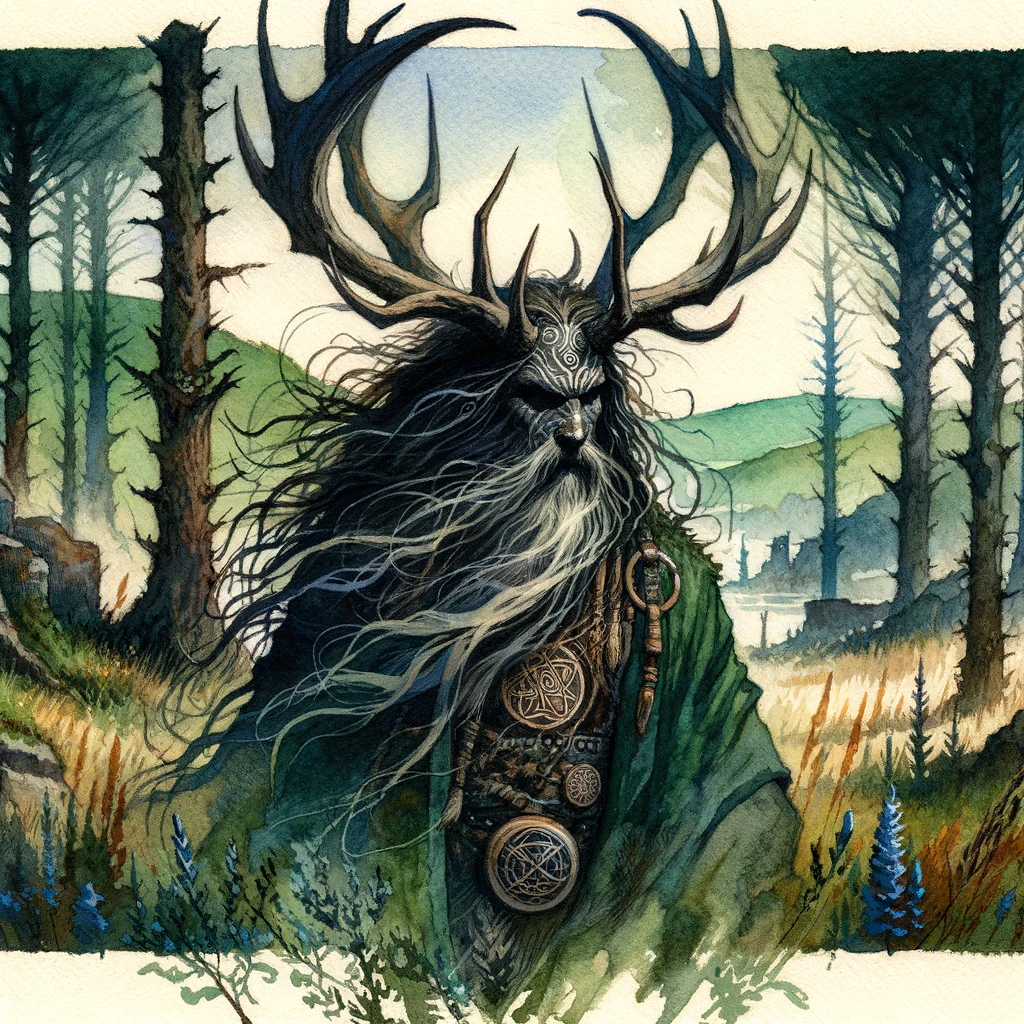
| Cernunnos | Beasts; wild places; hunts; witches; weremoose | Outlands / Tir na Og / Wandering | He/Him | CN/CG | Lesser |
| Dakuwaqa ‡ | Protection from danger; weresharks | Avalon | He/Him | NG/N | Lesser |
| Daragor | Marauding beasts; bloodlust; pain; werewolves; seawolves | Lower Planes / Wandering | He/Him | CE | Lesser |
| Eshebala | Vanity; charm; greed; cunning; foxwomen | Abyss / 193 / Vulgarea | She/Her | CE | Lesser |
| Ferrix | Play; curiosity; hunting; weretigers | Beastlands / Brux / Wanders & Pangaea / Wanders | She/Her | N | Lesser |
| Moccus ‡ | Hunting; war; wereboars | Beastlands / Brux / Wanders & Pangaea / Wanders | He/Him | CN | Lesser |
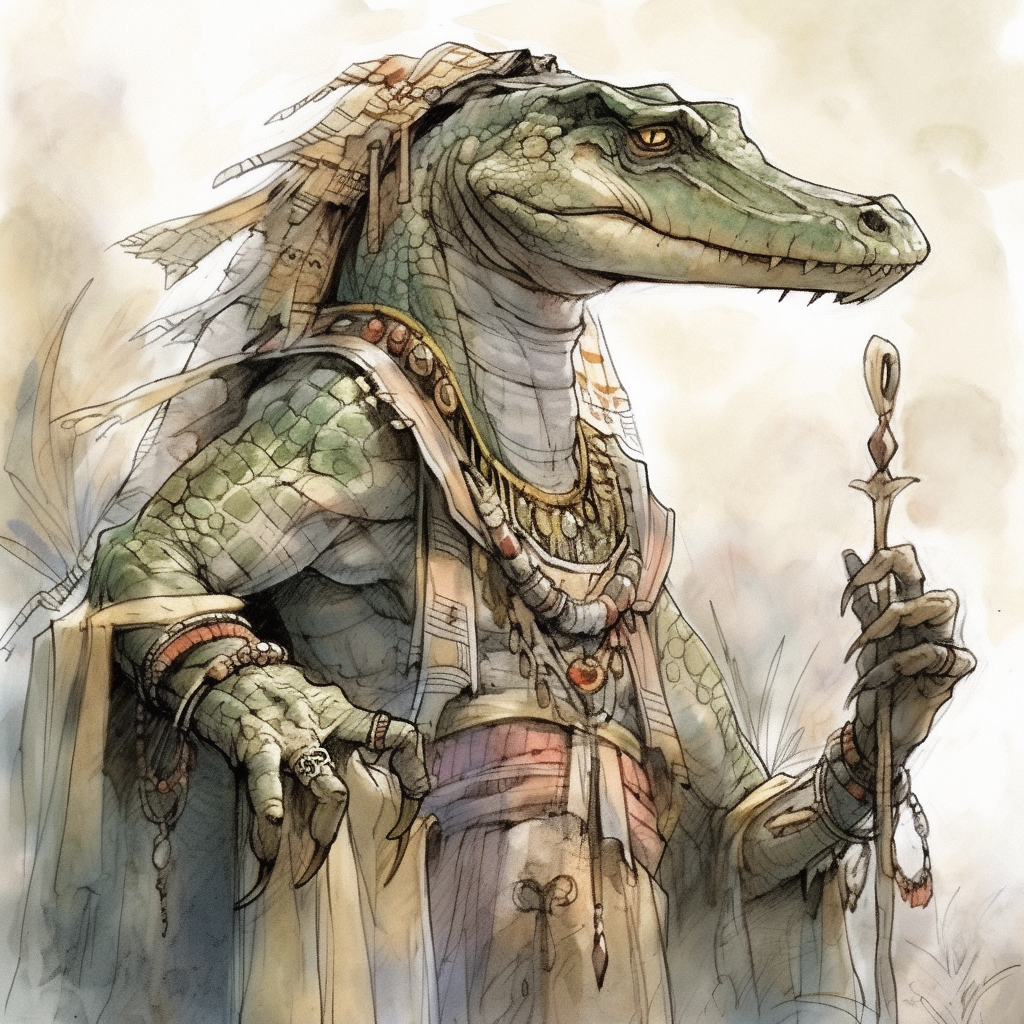
| Sobek | Crocodiles; werecrocodiles; necessary death | Gray Waste / Oinos / Shedet | He/Him | NE | Lesser |
| Squerrik | Thievery; disguise; concealment; wererats | Gehenna / Khalas / Cheisin | He/Him | LE | Lesser |

A Who’s Who of the Morphic Powers
Powers with full write-ups will appear here…


Realms of the Morphic Powers

Canonical Source: Monster Mythology [2e] p113-115
Sources: Jon Winter-Holt

Seeing how much werecreatures there are in the DnD (particularly Ravenloft), this pantheon can be expanded…
Absolutely. I considered there might be doppelgänger gods too that could also fit in