


[ Outsiders > Fiends > Parochial ]
[ Asura | Div | Hordling | Imp | Kyton/Velstrac | Likhoradka | Lou-Māra | Nindoru | Obyrith | Oni | Qlippoth | Rakshasa | Sahkil ]
Expect the Unexpected: The Parochial Fiendish Races
While every basher’s heard of the baatezu and tanar’ri—and might even be able to name some of them—the same can’t be said for some of the less common races of fiendish outsider. The so-called parochial fiends—although if they hear you calling them that, good luck!—tend to travel less than the dominant fiendish races, rather focussing their energies on one plane in particular, are less often spotted in burgs like Sigil, and they stay out of the Blood War. Some of them intentionally hide themselves away, like the lou-māra or the obyrith; some have left their Great Ring origins behind and set up their kips on more obscure plane, like the sahkil or the kytons; and then of course the qlippoth are just so sodding dangerous that few berks live to tell of an encounter with them.
Here’s a whistle-stop tour of the less common fiendish races that lurk around the planes. Each of these fiendish families has many different sub-types, each specialising in particular sins, horrors or dangers. I’ll let you know more about all that sort of thing in good time, cutter.
—Voilá!.
Thirteen Parochial Fiends
| Fiend | Home Plane | Fiendish Theme | Appearance |
|---|---|---|---|
| Asura † | Baator | Incarnations of divine errors | Multi-headed, armed or bodied humanoids |
| Div † | Gehenna | Cursed prophetic genies | Various accursed forms but all have strange aversions |
| Hordling | Carceri | Ravenous malicious horde | Utterly random monstrosities |
| Imp | Baator | Infernal deal-makers | Small slender devils |
| Kyton / Velstrac † | Acheron Baator Shadowfell | Pain and suffering as exquisite perfection | Humanoids wrapped in chains, spikes and torture devices |
| Likhoradka ‡ | Gray Waste | Embodiments of diseases | Various forms but all appear gripped by disease |
| Lou-Māra | Pandemonium | Psychic parasites and possessors | Ghostly or invisible spirits |
| Nindoru † | Prime | Hunters of the reincarnated | Various forms but broken, twisted and disturbing bodies |
| Obyrith | Abyss | Determined to unravel reality | Deliberately hard to distinguish from tanar’ri |
| Oni | Prime | Tyrannical moral arbiters | Colourful Japanese ogre-giants |
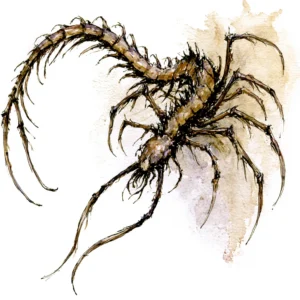
| Qlippoth † | Abyss | Feral degenerate evil | Bizarre and insanity-inducing horrors |
| Rakshasa | Acheron Prime | Arrogant examplars of how not to live | Many headed, or many limbed, frequently humanoid tigers |
| Sahkil † | Ethereal | Farmers of fear | They’re the creatures from your nightmares |

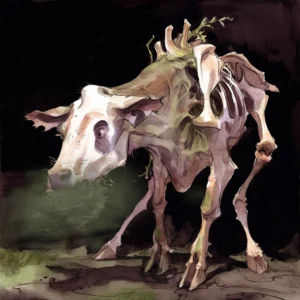

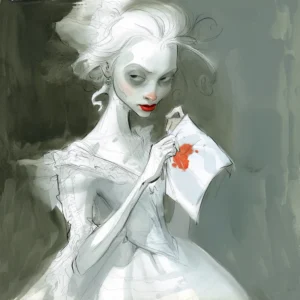


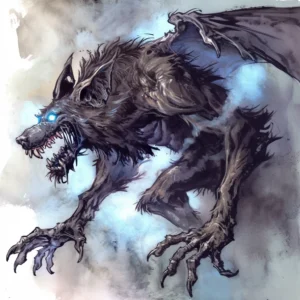
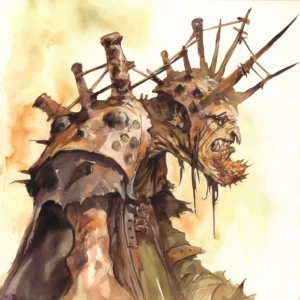

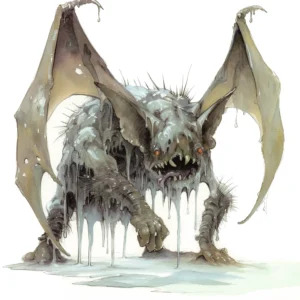


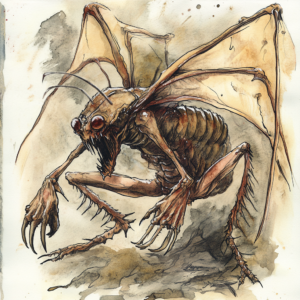
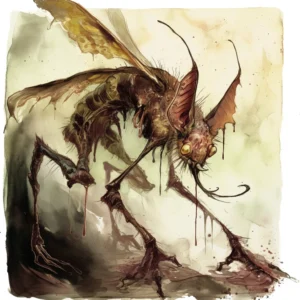

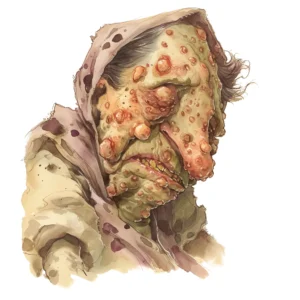


Canonwatch: † from the Pathfinder setting; ‡ homebrew.
When it comes to obscure fiends, don’t forget cataboligne 🙂
I was unaware of these beasties! They’re on the list now, thanks! 😉
“The singular kyton from Planescape […]”
..huh? Kytons were always a race in Planescape though..? The very first sentence in the AD&D monster entry even says so:
“Kytons are a race of creatures inhabiting the city of Jangling Hiter on the third layer of Baator. They are the city’s constabulaly, ferreting out transgressors. A soul knows when he’s being stalked by one of these monstrosities if he hears tinkling chains and an accompanying malicious titter.”
Actually a quick follow-up, but weren’t Asuras from the Upper Planes in Planescape?
“Asuras are found throughout the Upper Planes, serving various powers as messengers and heralds with a righteous zealotry. They may serve as the voices of knowledge, sharing wisdom that guides mortal oracles and mystics. More often, however, the asuras carry messages of revenge, punishment, and death, sent to those who have angered one of the powers.”
They were, you’re correct. The mythology is more complex than it was presented in Planescape though, with most asuras being wicked—and Pathfinder reflected that. I’ve clarified the text here and included a link to the aditya asura, a sub-race of asura who turned stag on evil and sought repentance. I’m pitching that these aditya are the “asura” of Planescape 🙂
I think it’s interesting that some researchers believe that asuras and devas of Hinduism are linguistically related to ahuras and daevas of Zoroastrianism, but their roles in mythology are switched. And it’s funny how we now have both good and bad varieties of Devas/Divs and Asuras. Perhaps this can be an inspiration for some interactions? In DnD there were already disagreements between aasimon and asuras, so maybe divs and evil asuras hate each other?
Sorry, clumsy writing on my part, I meant the imply the kytons are a singular race, not an individual. I’ve clarified this in the canonwatch section. Thanks!
I feel like Rakshasa should be associated with reincarnation: maybe tricking souls bound for reincarnation. They lair in Acheron not because of a moral or ethical preference, but for its proximity to Mechanus, the perfected union of creation represented by Primus. This would allude to the former name for Me hands of Nirvana, but dissociate it a bit.
Acheron works, it needs more fiends too anyway! (Actually I just did some more reading and you’re right, they are meant to be from there…I had no idea, thanks!) I’ll have to think about linking the rakshasa more firmly here, I wonder whether there’s anything in the lower layers that might fit them thematically too….
Have you considered adding the tzaretch demon family from mongoose publishing’s Encyclopaedia Arcane: Demonology web enhancement https://web.archive.org/web/20040212003852/http://www.mongoosepublishing.com/pdf/tzaretch.pdf
Based on the history provided they would fit in as those that were loyal to the Obyrith when they fell to the Tanar’ri and so lost out in the war, now only being trusted in almost mercenary roles.
There is also the Infernals of the Iron Kingdom’s setting, who similar to the Qlippoth are ancient, but unlike the Qlippoth who formed in part of the reality, they were formed before reality began and then reality got dumped on them, the equivilant of someone setting a table but not cleaning it beforehand, so they have very different view point on the reality as a whole, not to mention a hunger for souls and even gods.
I’ve seen the word ‘tzaretch’ in my notes before but had never worked out what it was about. Thanks for this! I’ll look into it 🙂
Are they associated with any layers in particular?
they are not linked to any layer