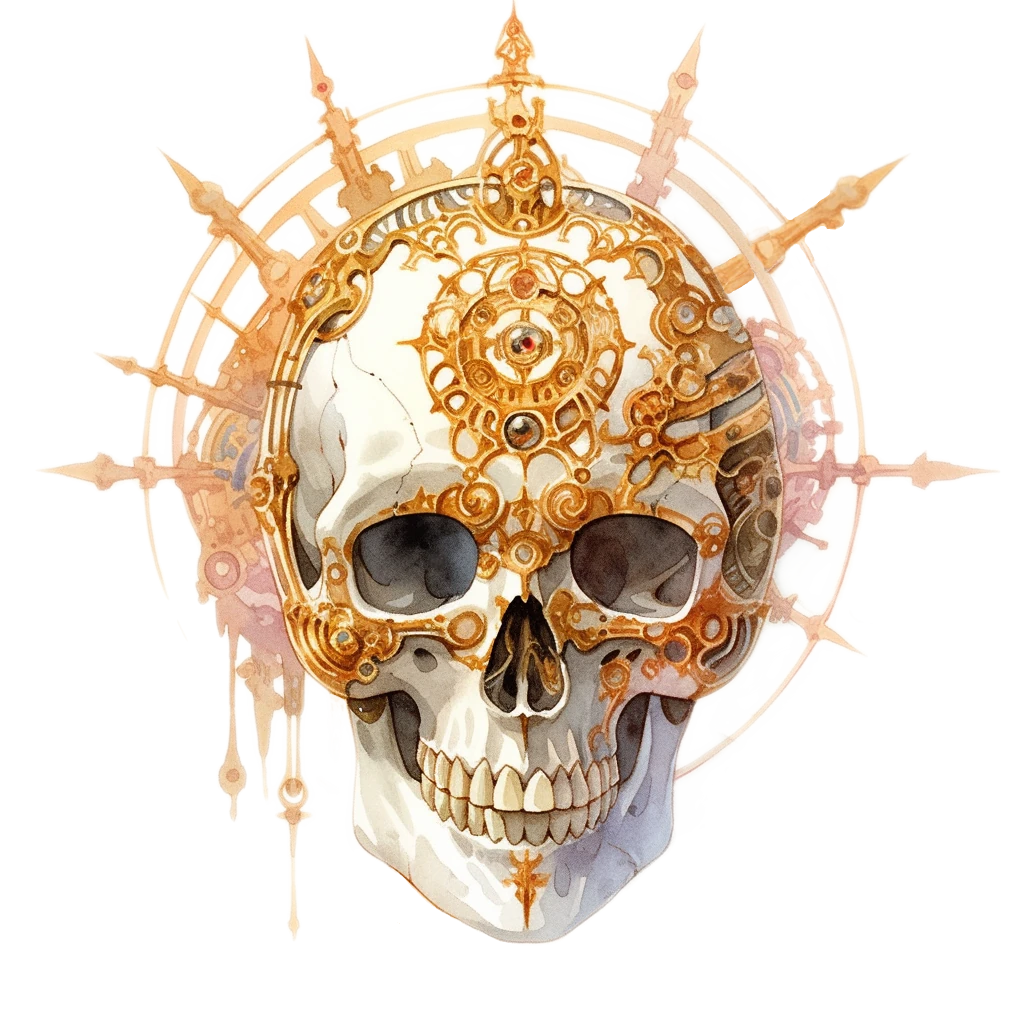

Throne of the Seven Radiances
Shared realm of the Solar Powers of the Pantheon of One Thousand Gods
Ruler of the Realm: Arinna
Location: Fire / Prismatic Frontier / Throne of the Seven Radiances

The Throne of Seven Radiances is a colossal ziggurat carved from solid flame and brilliant light, which perches at the edges of the planes of Fire and Radiance. This enormous structure focuses the heat of Fire and the light of Radiance to power the seven mechanical suns which continuously rotate around the structure itself. Chant goes that each of these immense bodies of plasmatic flame is a gate to a Prime world where the One Thousand Gods are worshipped. Good luck using those for travel though, the heat they put out is incredible.
The ziggurat is a realm shared between at least a dozen solar powers of the One Thousand Gods, who each have interests in all aspects of the all-seeing Sun, its solar phases, and aspects of war, love and youth that it represents. The One Thousand Gods are a chaotic and complex pantheon of powers and quasi-powers with overlapping portfolios, localised gods of individual cities, and multiple aspects of each other. There is squabbling and intrigue between them, certainly, but on the whole the group is surprisingly coherent despite their differences.
The first thing you’ll come across are the Prismatic Canyons, deep gorges carved into the solid elemental flame by rivers of rainbow light. Where the fire and the radiance mixes you get spectacular flamebows—arches of colourful fire that dance through the crystalline formations. On the ziggurat side are the Luminous Gardens, hanging garden terraces carved into the cliffs where plants of pure light grow amidst bushes of flame. Here petitioners made from beams of living sunlight tend to the blossoms, ensuring they grow in perfect geometric patterns.
The base of the great ziggurat is defended by the Bronze Gate, massive defensive walls of bronzed metal that shimmer in the heat as their colours shift from deep brown to molten gold. The gate itself is always open so petitioners and powers can come and go, unless the ziggurat is under attack from fire elementals—something which happens more often than the One Thousand Gods would like. Huge vats of boiling water are kept topped up with magic inside the ramparts, just in case, which causes the walls to be shrouded in a perpetual haze of steam. The bronze defensive walls are covered in cuneiform script announcing the names and great deeds of the solar powers who dwell within the ziggurat, interspersed with magical wards and sigils which can be activated by defenders as a second line of defence.
Tiers of the Ziggurat

Inside the walls, the realm is divided into seven tiers, each of which becomes hotter, brighter and more holy as you ascent towards the Crowning Glory of Arinna. Mortals rarely make it past the second tier, the Hall of Justice—and they’re usually only there because they’re in trouble. But occasionally, brave or foolhardy cutters might infiltrate, or be invited, to explore higher in the ziggurat. These are the main features of each layer:
Tier the First — the Deep Forges: The bowels of the ziggurat contain great forges where solar power is extracted from the elemental planes themselves and channeled into divine weapons and tools made from from solidified sunbeams and compressed flames. The sound of hammering echoes continuously, making it hard to hear above the din. Channels of molten rainbow gold flow (like forbidden water) upwards from the forges providing divine energy throughout the upper tiers of the realm. They’re fed by springs where raw elemental fire is mixed with liquid radiance and turned into sunstuff.
The power Sandas is nominally in charge of the Deep Forges, although he is far more interested in spreading death and disease on the Prime and is rarely found here. That suits the azer who work in the forges just fine, it means they get to follow their hearts and create some of the most imaginative inventions you can find in the Great Furnace. This tier is defended by massive bronze serpentine constructs that roam around the forges, created centuries ago by azer artisans.

Tier the Second — the Hall of Justice: This is where the golden scales weigh up mortal deeds in the Court of Solar Justice. Very few worshippers of the One Thousand Gods ever make it to become petitioners in this realm—the vast majority languish in the Mesopotamian Underworld for all of eternity. But rare exceptional individuals attract the attention of the solar powers who, after all, see everything which transpires under their watchful gaze. Assuming they live their lives without offending any powers, they might be brought here to face judgement of Istanu, the power of solar justice.
The hall is an courtroom carved from a single massive topaz, where petitioners are judged and disputes between the One Thousand Gods are adjudicated under the eternal gaze of Istanu, or another of the many solar deities of the pantheon. The peace is kept by Hurrian Lions of Light, majestic beings of crystallized fire with flaming rainbow manes, that patrol the halls of the tier in case of trouble.
Tier the Third — the Chambers of Dusk: This level houses the divine bureaucracy of the solar powers, which keeps track of everything that is observed by the all-seeing powers of the sun. Priests who served the sun gods in life are now transformed into beings of living brass and gold who serve as administrators, scribes and record-keepers. This level is also home the many solar chariots which are kept here during the night time of the Prime worlds that they traverse during the day. All sorts of creatures are stabled on this tier, from flaming wolves to winged bulls, golden eagles to fiery horses. The stables are constructed from a dark mahogany wood that does not burn, which makes it perfect for the cuneiform inscriptions of living flame that bedeck the walls. These constantly change, as if impressions are being made by invisible hands, updating with the latest divine proclamations and prophecies of cosmic events. Šimige is the master of this layer, although he is rarely here as it’s always daytime on some Prime world or other and someone’s got to fly the solar chariot.

Tier the Fourth — the Hall of Eternal Noon: This is a communal throne room where all sun deities can convene, although they rarely meet en masse unless there is a major threat to the realm. It is a vast columned hall where time stands perpetually at midday. Massive pillars of crystallised sunlight support a dome studded with thousands of crystal lenses that show the mortal worlds below, allowing the sun gods to observe every corner of the multiverse where their light reaches. The one exception is the Moment of the Eclipse, a roving sphere of absolute darkness which moves steadily around the dome, obscuring one prime world at a time. Chant goes this was created by Kumarbi as a curse upon the solar powers, and they have been unable to dispel it. While the passage of the Moment is predictable, if complex, the obscuration it creates means that anything that transpires during that time is effectively unknown to the solar powers—and they hate this.
Tier the Fifth — the Terrace of Perpetual Dawn: This expansive terrace overlooks the sunrise of every prime world where the pantheon is worshipped, depending which direction you face. Within the ziggurat here is Šauška‘s Armoury, and it’s filled with weapons of fire, arrows forged from solid light, and armour of burnished bronze. The Armoury is constructed from living flame that never consumes, and never smokes.

Tier the Sixth — the Sunstorm: Little is known about this level of the ziggurat, for it is shrouded in intense solar flares and storms of radiance. This is the domain of Furusemu, the leopard power of the hottest part of the day. Sunburst geysers shoot out from the realm when she is angered, causing withering heatwaves on the Prime as temporary bridges of light connect the ziggurat to the realm of the mortals. It’s from this layer that the Solar Eagles take flight on aurora wings, soaring between planes carrying messages between the solar deities and other powers of the One Thousand Gods. The other purpose of this layer is to prevent anyone apart from the gods themselves accessing the throne room above.
Tier the Seventh — the Crowning Glory: This layer is said to be a throne room of pure radiance where Arinna holds court—unless the Queen of the Gods Hepat is visiting, in which case she is allowed to take the throne in deference. Only the gods are allowed to set foot here, and the Furusemu makes sure things are kept that way.
The Radiant Ones of the One Thousand Gods
| NAME | PORTFOLIO | INNER PLANE | PRONOUNS | ALIGNMENT | POWER LEVEL |
|---|---|---|---|---|---|
| Allanzu | Youth, dawn | Radiance | She/Her | CG | Lesser |
| Arinna | Mother of the solar gods | Fire | She/Her | LG | Greater |
| Furusemu | The hottest part of the day | Radiance | She/Her | N | Intermediate |
| Hepat | The Queen of Heaven | Air | She/Her | N | Greater |
| Istanu | Solar justice | Radiance | He/Him | LN | Intermediate |
| Lelwani | Sun goddess of the earth; underworld; fate | Magma | She (formerly He) | LN | Intermediate |
| Mezulla | Sunsets | Radiance | She/Her | LG | Lesser |
| Ninatta & Kulitta | Handmaidens who serve Šauška; divine musicians | None | She/Her | CN | Demipowers |
| Sandas | Warriors, plague, fire, underworld | Ash | He/Him | NE | Lesser |
| Šauška | Love, war, healing | Fire; Air | Genderfluid | CN | Intermediate |
| Šimige | The solar chariot, oracles, divine sight | Fire | He/Him | LG | Lesser |
| Šiwat | God of the day of death | Ash | He/Him | LE | Lesser |
| Tiwaz | Daylight | Radiance | He/Him | NG | Intermediate |
| Zintuhi | The divine granddaughter | Radiance | She/Her | N | Demipower |
These bloods all come and go from the Throne of Seven Radiances as their duties or whims take them. Arinna, Istanu and Furusemu are almost always in residence, but the rest of the One Thousand Gods are a fickle bunch of busybodies who interfere in affairs of the Elemental Planes and the Prime more often than most powers.


Source: Jon Winter-Holt. Very little is known about the ancient powers of the Hittites and Hurrians, so I’ve taken some liberties in filling in blanks… while this list is based in real world myth it certainly shouldn’t be taken as accurately reflecting what turned out to be a really complicated story spanning over 1000 years. If you know more about this part of history than me—which would not be difficult—I would love to hear feedback and suggestions for how to improve things and what I mangled! All of this is homebrew.