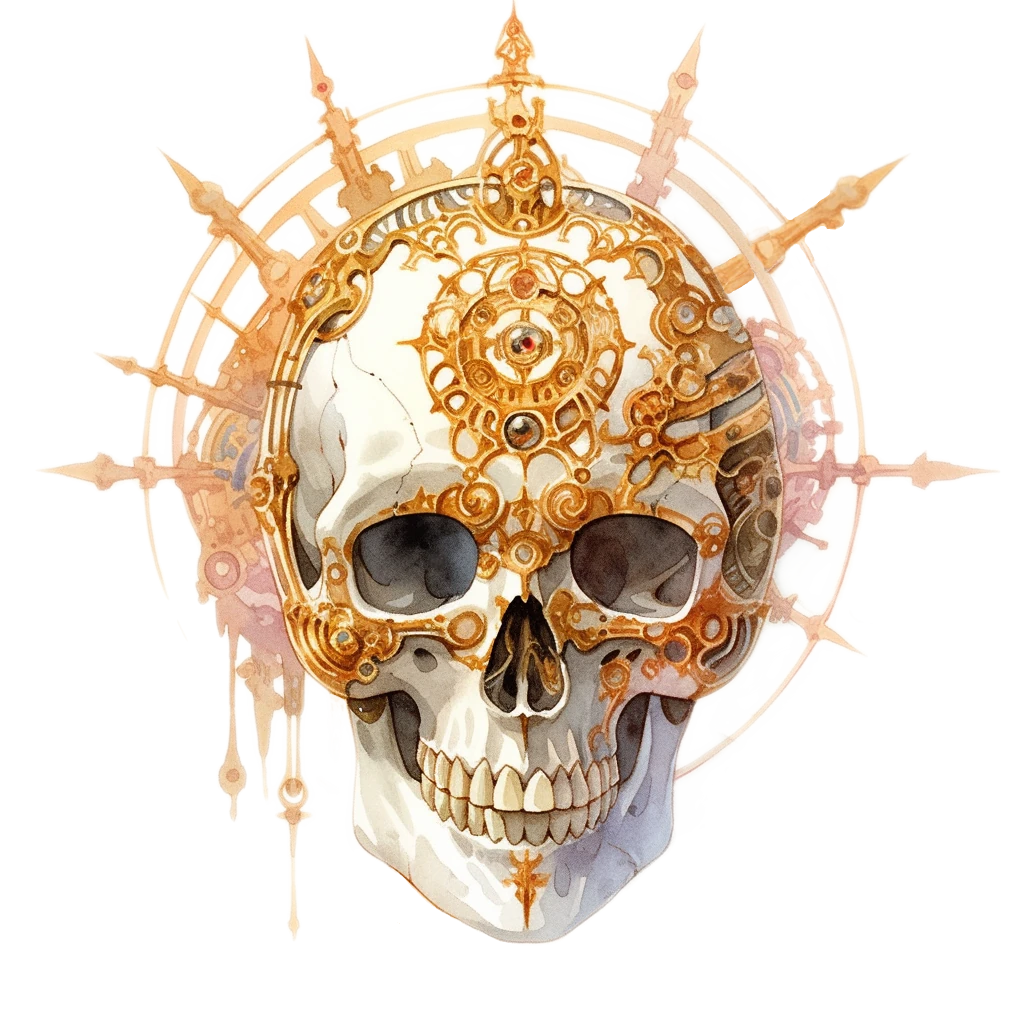

Irkalla

Realm of Ereshkigal
Location: Planes of Cordance / Nether / Kur
CHARACTER: Death wins in the end cutter, always. All existence leads to demise eventually, making resistance not just futile but actively harmful to cosmic order. This place is the embodiment that pride leads to downfall—as Inanna hserself learned the hard way. Divine authority must be respected, and transformation only comes through complete surrender to the inevitable. It’s a place where even gods must bow, strip away their pretenses, and face the fundamental truth of mortality.
DESCRIPTION: A famous poet once called Irkalla ‘the most depressing burg in the multiverse, where both colours and gods go to die’. They’re not alive any more either, but to be fair, they weren’t lying. In this underworld settlement, ancient petitioners—some older than entire pantheons—shuffle through streets like emaciated, living ghosts. The whole place reeks with a scent of resignation so thick you could almost cut it with a blade. Berks here move slowly, like they’re underwater. Drained of all vitality, the skin of petitioners is bleached of life and hue, like old parchment left in the sun for far too long. The eeriest part is when visitors arrive, for their presence brings a strange sense of life and vibrancy that clashes with the drab, and causes petitioners to stare and try to touch them whenever they can. The contrast between the hope of the living and the eternal despair of the dead is so stark it’s even been known to make Bleakers weep. At the heart of this grim metropolis rises Ganzir, the palace of Ereshkigal—a massive ziggurat with five tiers that dominates the settlement like some kind of divine mountain.
SPECIAL CONDITIONS: The realm pulses with an otherworldly necromantic magic that allows any soul here to speak with the dead—which is ironic, considering most residents wish they could stop talking entirely and just move on. This creates a sibilant cacophony of whispers coming from the eternally deceased that newcomers find deeply unsettling.
WHO RULES: Ereshkigal, the Queen of the Great Below, holds dominion here. She’s the original death goddess, sister to Inanna, and (according to the Mesopotamians at least), the undisputed sovereign of all that was, is, and ever will be dead. Her authority flows through the settlement like a river of icewater. It’s said she can see through every shadow and can hear any whisper that occurs in her realm.
WHO REALLY RULES: Don’t look for puppet masters here, berk—Ereshkigal’s grip is absolute. But her power structure runs deep: Neti, the chief gatekeeper, controls access through the seven gates that partition the burg, defending the palace and key passages throughout the settlement. Namtar acts as her divine messenger and plague-bringer, serves as her sukkal, and carries out the Queen’s will with the efficiency of a well-oiled killing machine. The other important faction here is the Anunna—the seven judges of the underworld who can pass final judgment on any soul, living or dead.
MILITIA: The settlement’s protected by layers of supernatural authority that make Sigil’s Harmonium look like amateurs. Ereshkigal’s fiendish soldiers are stationed on the lowest platform of Ganzir. These gallu are ancient fiends, and significantly tougher than their counterparts who are sent to the Prime. The gates throughout the settlement are each individually guarded and can be sealed at a moment’s notice, turning any district into an impregnable fortress. The inshav—shadowy lilu that haunt the grand staircase to up to Arali—serve as both guides for legitimate travellers and executioners for those they judge don’t belong.

SERVICES: Bronze Age artifacts and magical items are surprisingly common here, remnants from when the Ancients still walked the prime worlds.
A tout named Allani, a young-looking woman in blue robes, offers cutters to whom she takes a shine safe passage through the more dangerous districts. She’s also a master of divination, preferring smoke scrying and extispicy (divination by entrail-reading). Chant goes she might be an aspect of Allatu, the demipower of fate herself.
The second platform of Ganzir houses food stores traded from Tlaloc’s realm—one of the few places in Kur where a body can get a meal that isn’t made of dust. The third platform houses the scribes of the dead, the bloods who maintain the cosmic death records for the pantheon and can provide information about any soul that’s ever passed through the underworld—for a price.
From Irkalla a body can make their way down the grand staircase to Arali, the City of Bedrock, the capital of Kur, and the realm of Nergal the Lord of Kur. The grand staircase takes three days to walk and is haunted by the shadowy inshav, who guide petitioners making their way down to Arali—and make sure they don’t try to come back up again.
CURRENT CHANT: Death doesn’t mean the end of scheming, and Irkalla’s got its share of plots too. Inanna’s famous descent and resurrection here has left psychic scars in the settlement’s fabric. Some say her passage opened cracks between the realms of life and death that still haven’t healed, creating opportunities for ambitious souls to slip between states of existence.
The marriage between Ereshkigal and Nergal creates ongoing political friction, with loyalists on both sides plotting to gain advantage whenever the war god returns from his travels. Some say the recent increase in lilu activity in Kur stems from this divine marital discord.
Whispers suggest that ancient god-kings and rulers whose tombs occupy the fourth platform of Ganzir aren’t as dead as they appear. Someone’s been organizing them, and their combined knowledge of pre-Flood civilizations could cause all sorts of embarrassing problems for current cosmic orders.
Sources: SGreen and Jon Winter-Holt