[ Cordant Planes > Pangaea ]
[ Conditions | Locations | Powers | Animal Lords | Factions | Bestiary ]
[ Aerial | Apex Predators | Aquatic | Herbivores | Megafauna | Pack Hunters | Planetouched ]
Apex Carnosaurs of the Plane of Prehistory
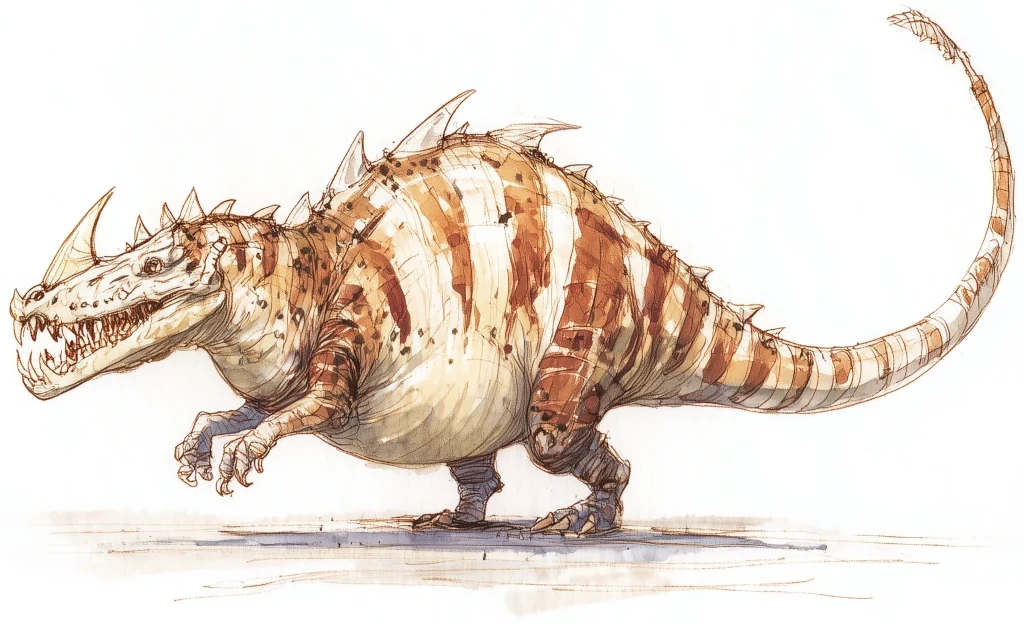
The theropod carnosaurs of Pangaea are the plane’s apex predators: heavy-bodied, fast-moving killers built for pursuit, ambush, and decisive bites. From the smaller forest stalkers to the tyrant kings of the plains, these beasts dominate every ecosystem they enter—and anything that breathes on Pangaea has learned to fear the arrival of their long shadows.
| Carnivorous Archosaurs | Size (Height & Length, in feet) | Watch Out For | Challenge Rating |
| Juravenator * | Small (H: 1, L: 3) | Piercing bite | -1 |
| Balaur * | Small (H: 3, L: 8) | Bonded pairs | 0 |
| Ubirajara * | Small (H: 1, L: 3) | Intimidating display, defensive mane | 0 |
| Arizonasaurus * | Medium (H: 4, L: 10) | Sail fin metabolism, rippling thrash | 1 |
| Garjainia * | Small (H: 3, L; 8) | Huge biting head | 1 |
| Troodon † | Medium (H: 3, W: 6) | Sharp teeth, mimicry | 1 |
| Beipiaosaurus * | Small (H: 3, L: 8) | Sabre claws, threat display | 2 |
| Concavenator * | Large (H: 6, L: 20) | Mysterious hump, strong forearms | 3 |
| Dimetrodon | Large (H: 6, L: 10) | Vicious jaws, noxious saliva | 3 |
| Megalosaurus * | Large (H: 6, L: 25) | Predatory frenzy | 4 |
| Teratosaurus | Huge (H: 9, L: 20) | Grab and chomp | 4 |
| Utahraptor * | Large (H: 5, L: 16) | Leaping ambush, team hunter | 4 |
| Dilophosaurus | Large (H: 7, L: 20) | Hunts in packs, crest display, leap attack | 3-5 |
| Megaraptor | Large (H: 7, L: 20) | Persistent bleed, darting attack, dodging stride | 5 |
| Majungasaurus / Megalosaurus | Huge (H: 8, L: 25) | Roar, bone-cracking bite | 6 |
| Carnotaurus / Ceratosaurus | Huge: (H: 8, L: 25) | Charge, maul, horns | 4-7 |
| Allosaurus | Huge (H: 12, L: 40) | Ambush, knockdown, swallow whole | 7 |
| Erythrosuchus * | Large (H: 5, L: 16) | Rushing bite, ripping thrash, haul away | 8 |
| Gorgosaurus | Huge (H: 15, L: 30) | Vicious attacks and sweeping tail | 8 |
| Therizinosaurus / Utahraptor | Gargantuan (H: 14, L: 30) | Winnowing claws, stamp | 9 |
| Carcharodontosaurus * | Huge (H: 13, L: 40) | Flurry of teeth, very fast runner | 10 |
| Tyrannosaurus Rex | Gargantuan (H: 13, L: 50) | Fling, pin prey, swallow whole, trample | 10 |
| Yutyrannus * | Huge: (H: 8, L: 30) | Smaller, feathered tyrannosaurus cousin | 10 |
| Giganotosaurus | Gargantuan (H: 20, L: 60) | Swallow whole, pin prey, grab, wounding bite | 13 |
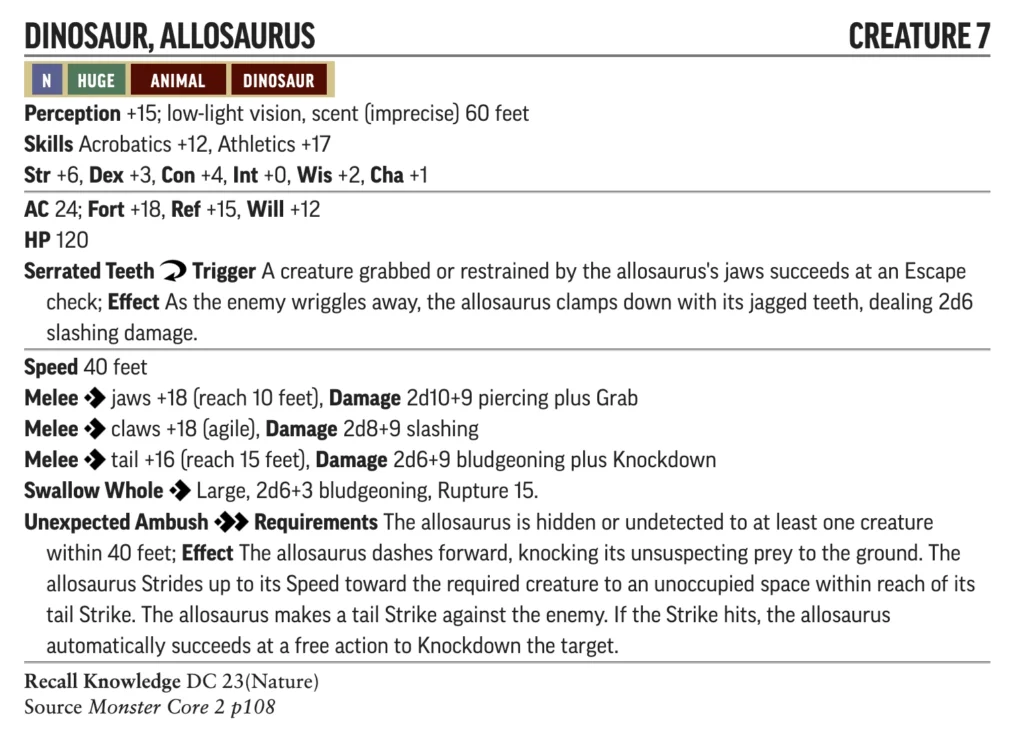
Allosaurus
The Different Lizard; N Animal | Dinosaur | Theropod; CR 2 !? [5e] – CR 7 [3e, PF1, PF2]
Habitat: Fern prairies and cycad forests
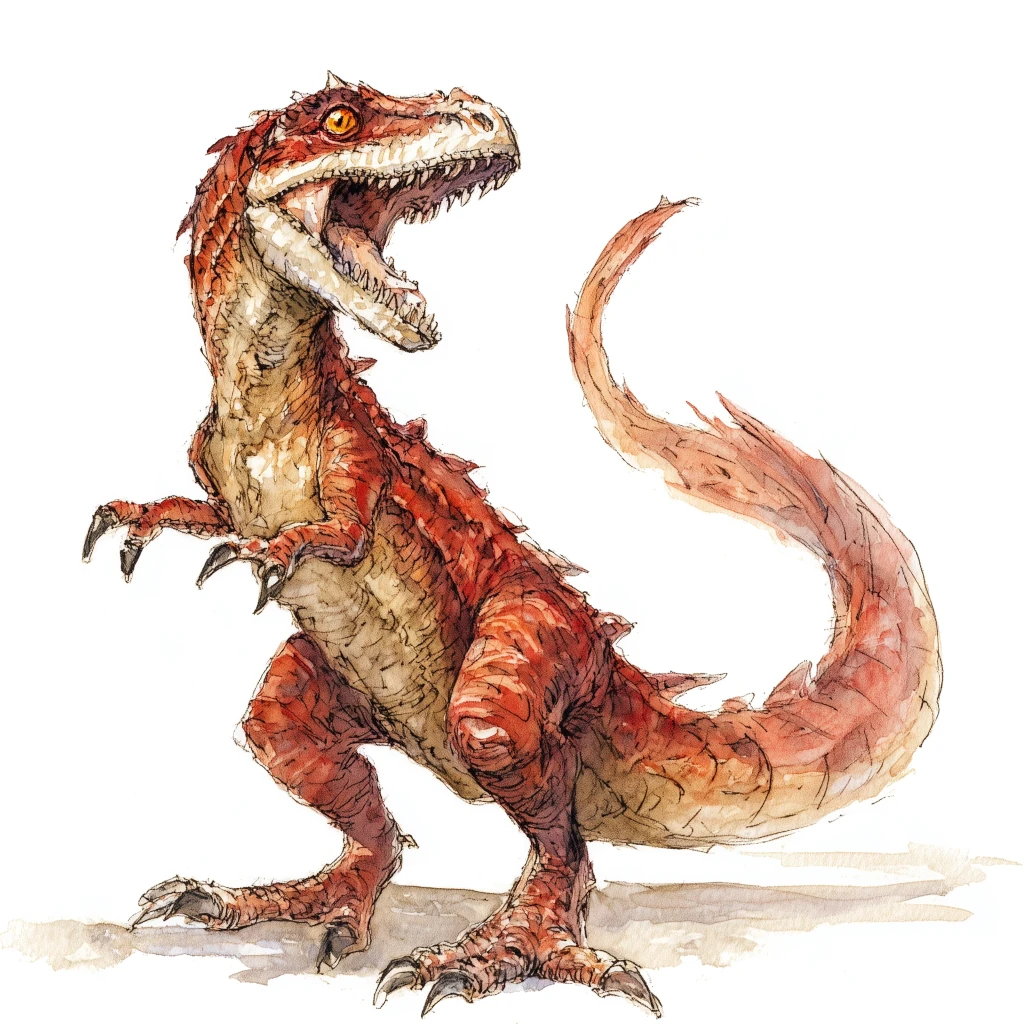
The allosaurus [allo-SORE-us] is a massive bipedal predator, roughly 30–40 feet in length, clad in rough, scaly hide. Its colour ranges from dull ochre to deep rust-red, with irregular darker striping along its flanks. Its enormous bony skull is disproportionately large for its body, and its mouth is lined with serrated, blade-like teeth. Its powerful hindquarters mean it can achieve surprising speeds for a creature of its size. Its short arms terminate in hands with raking, hook-like talons. These things are ferocious ambush predators, preferring to charge or pounce on their prey, trample it, or knock it prone, and then they bite it while it’s down. Once an allosaurus sinks its massive jaws into a berk, it might try to swallow them whole, or rake them with its small arms. Its hide is thick enough to shrug off many kinds of weapons, and its keen scent and perception makes it hard to sneak up upon.
On the planelette of Pangaea the allosauri rule the open fern-prairies and dense cycad forests of the interior. They hunt the great sauropods of the plains by concealing themselves in treelines, then burst forward in a sprint that covers ground with terrifying speed. Solitary adults can claim enormous territories, marking them with deep claw gouge marks. Younger allosauri sometimes hunt in pairs around the borders of inland swamps, where prey is concentrated near water. As well as hunting prey even as large as a brontosaurus, allosauri are also known to eat carrion, and steal prey from other creatures. Few are foolish enough to fight an allosaurus for their fair share.
Stats: [ D&D 2e | 3e | 5e | PF 1e | 2e ] Monstrous Compendium Annual Volume Two [2e] p35; Monster Manual II [3e] p70; Monster Manual [5e 2014] p79; Bestiary 2 [PF1e] p90; Monster Core 2 [PF2e] p108. The CR 2 challenge rating of 5e seems pretty wild to me, perhaps it’s a baby allosaurus they’re presenting. Dr Dhrolin’s Dictionary of Dinosaurs p200 has a variant allosaurus (CR 4)
Arizonasaurus
N | Medium | Animal | Dinosaur | Pseudosuchid; CR 1
A small dimetrodon with a sail fin on its back, which it can use for displays or to keep its metabolism steady, resisting heat or cold damage.
Stats: [ D&D 5e | PF 2e ] * Dr Dhrolin’s Dictionary of Dinosaurs p116
Balaur
N | Small | Animal | Dinosaur | Theropod; CR 0
A small omnivorous bird-like theropod with sickle-like claws. They bond in mated pairs and can inspire each other into being more aggressive as a team.
Stats: [ D&D 5e | PF 2e ] * Dr Dhrolin’s Dictionary of Dinosaurs p84
Beipiaosaurus
N | Small | Animal | Dinosaur | Theropod
A bipedal hunter covered in long downy fur, with wickedly sharp slashing claws.
Stats: [ D&D 5e | PF 2e ] * Dr Dhrolin’s Dictionary of Dinosaurs p46
Carcharodontosaurus
N | Huge | Animal | Dinosaur | Theropod; CR 10
A larger relative of the allosaurus, prone to chasing down prey over long distances.
Stats: [ D&D 5e | PF 2e ] Dr Dhrolin’s Dictionary of Dinosaurs p68
Carnotaurus
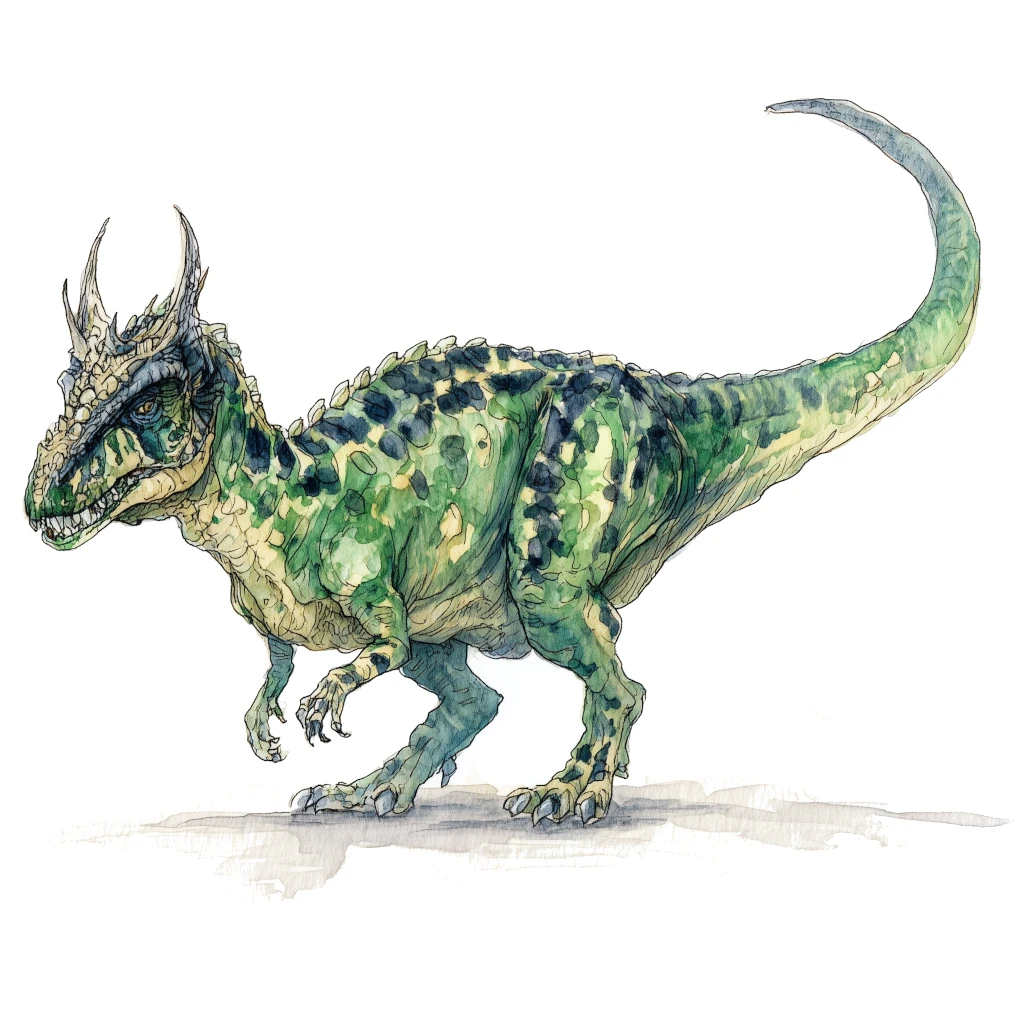
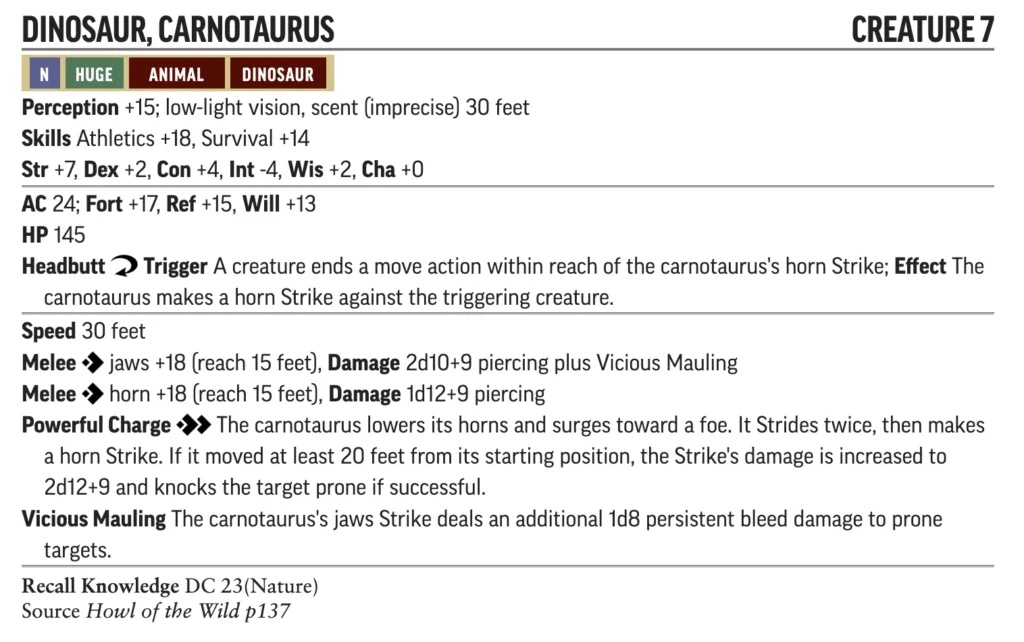
Ceratosaurus, the Man-Eating Bull Lizard; N Animal | Dinosaur| Theropod; CR 7
Habitat: Tidal flats, estuaries, coastal plains
The carnotaurus [kar-no-TORE-us] rules Pangaea’s more arid lands like a battering ram with a horns and a grudge. It’s a two-thousand-pound slab of muscle and malice that’ll charge at a berk with its thick skull lowered to ram them into the dust before the poor sod even hears the earthquake coming. Those bull-like horns aren’t just for courtship displays; they deliver a bone-crunching headbutt that can drop a victim prone, and then the beast’s cavernous jaws—built for tearing chunks from anything unfortunate enough to be pinned down by its feet—clamp down with viciously sharp teeth. Aggressive don’t begin to cover it, cutter: these territorial sods claim wide swathes of land and hunt down anything crossing their path. And don’t let their size fool you into thinking they might be lumbering beasts either—once they charge, they come at you with surprising agility. Wise berks give carnotaurus lands a wide berth.
Stats: [ D&D 2e | 3e | 5e | PF 1e | 2e ] Monstrous Compendium Annual Volume Two [2e] p35; Serpent Kingdoms [3e]; Bestiary 5 [PF1e] p83; Howl of the Wild [PF2e] p137. * Dr Dhrolin’s Dictionary of Dinosaurs p203 (CR 4 variant).
Concavenator
N | Large | Animal | Dinosaur | Theropod; CR 3
A bipedal theropod with stronger forearms than most, and a strange hump on its back.
Stats: [ D&D 5e | PF 2e ] * Dr Dhrolin’s Dictionary of Dinosaurs p120
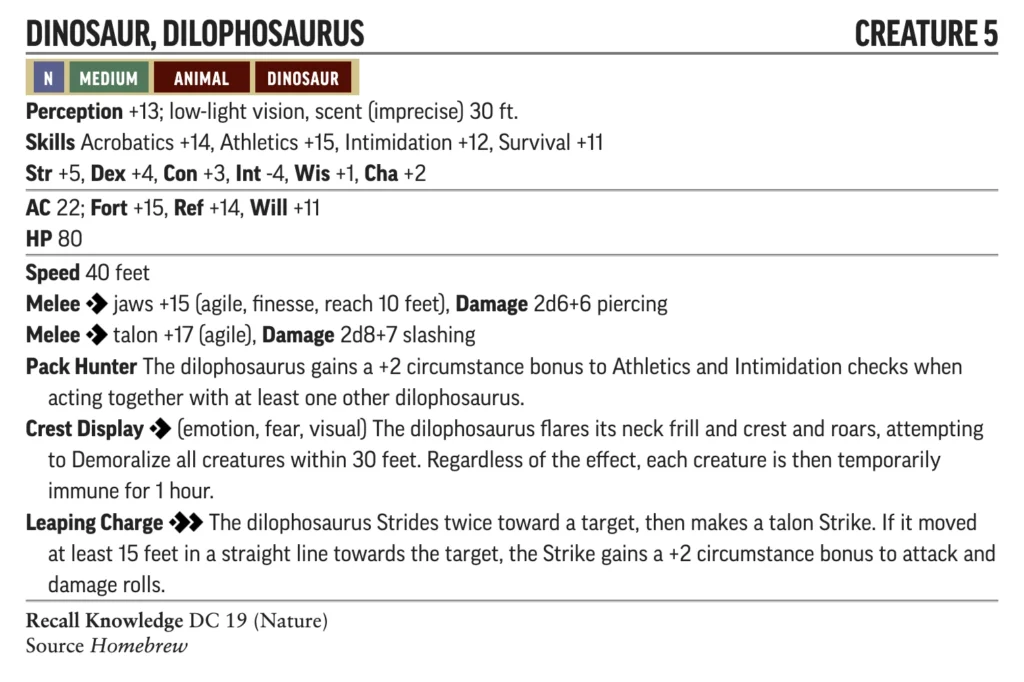
Dilophosaurus
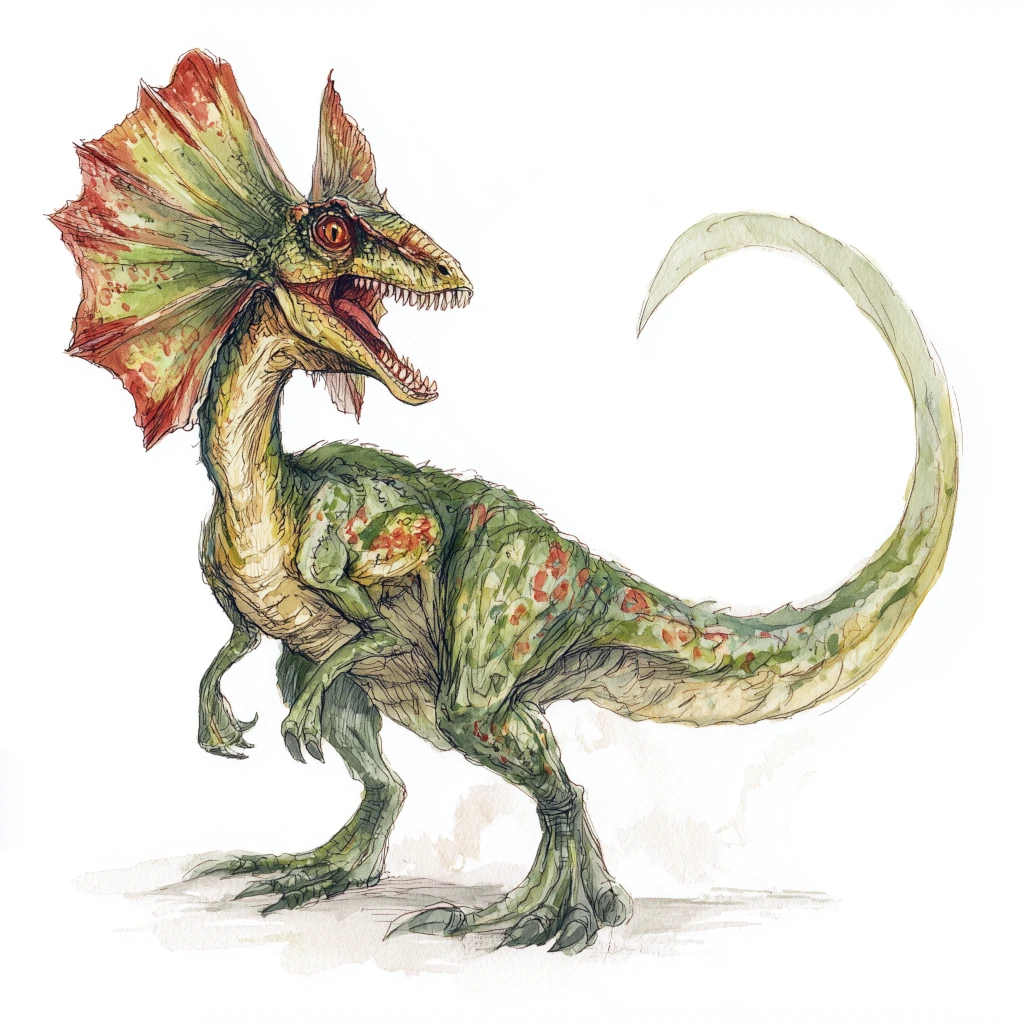
Two-Crested Lizard; N | Large | Animal | Dinosaur | Theropod; CR 5
Habitat: Riverbanks, floodplains, scrub land
The dilophosaurus [die-lofo-SAUR-us] stalks Pangaea’s open scrublands and barren plains—terrain too exposed for thick jungle but perfect for the long-range stalk-leap-terrify tactics in which this crested carnosaur specialises. The dilophosaurus is a lean, flexible-necked predator with a nimble strike and small, sharp teeth which inflicting tearing wounds. Meanwhile, its taloned hind feet do the real work, with massive spurs that cause deep gashes and leave prey reeling. Watch out for its favourite trick of making a barrelling charge towards you, then jumping at the last moment and raking with its vicious talons. The dilophosaurus is most easily recognised by its distinctive paired crests—flaring red-and-yellow ridges which crown the heads of males like some gaudy eladrin’s neck ruff. These are used for threat display, and when a dilophosaurus snaps them out and roars, it’s a brave berk who can stand his ground.
Stats: [ D&D 2e | PF 2e ] Monstrous Compendium 3: Forgotten Realms Appendix [2e]; Homebrew [PF2e]; * Dr Dhrolin’s Dictionary of Dinosaurs p206 (CR 3 variant).
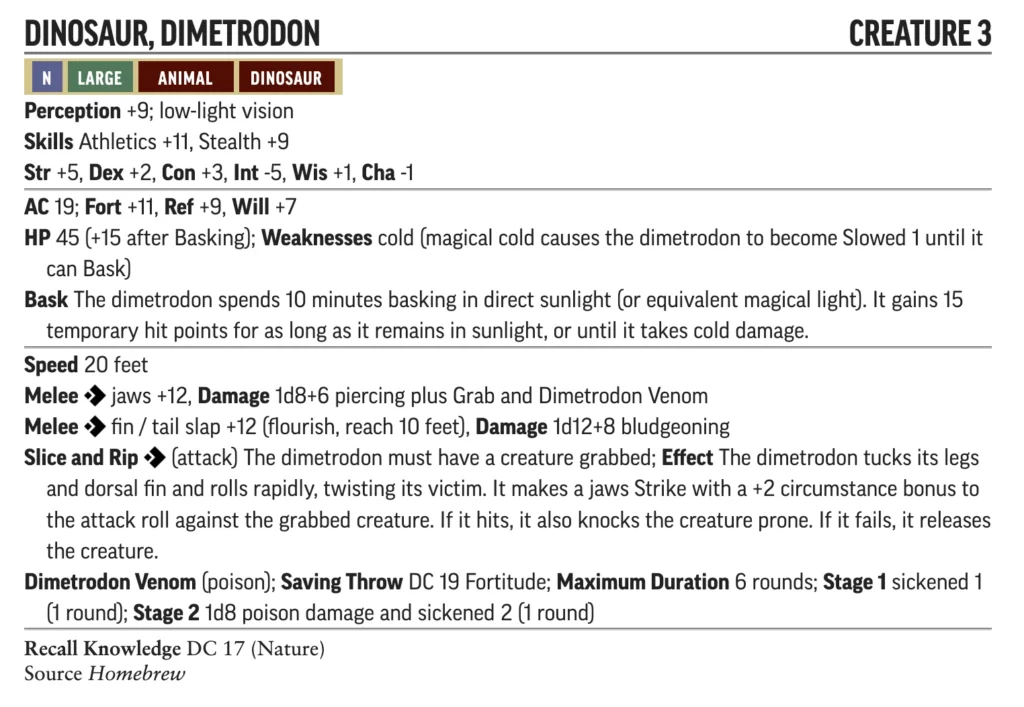
Dimetrodon
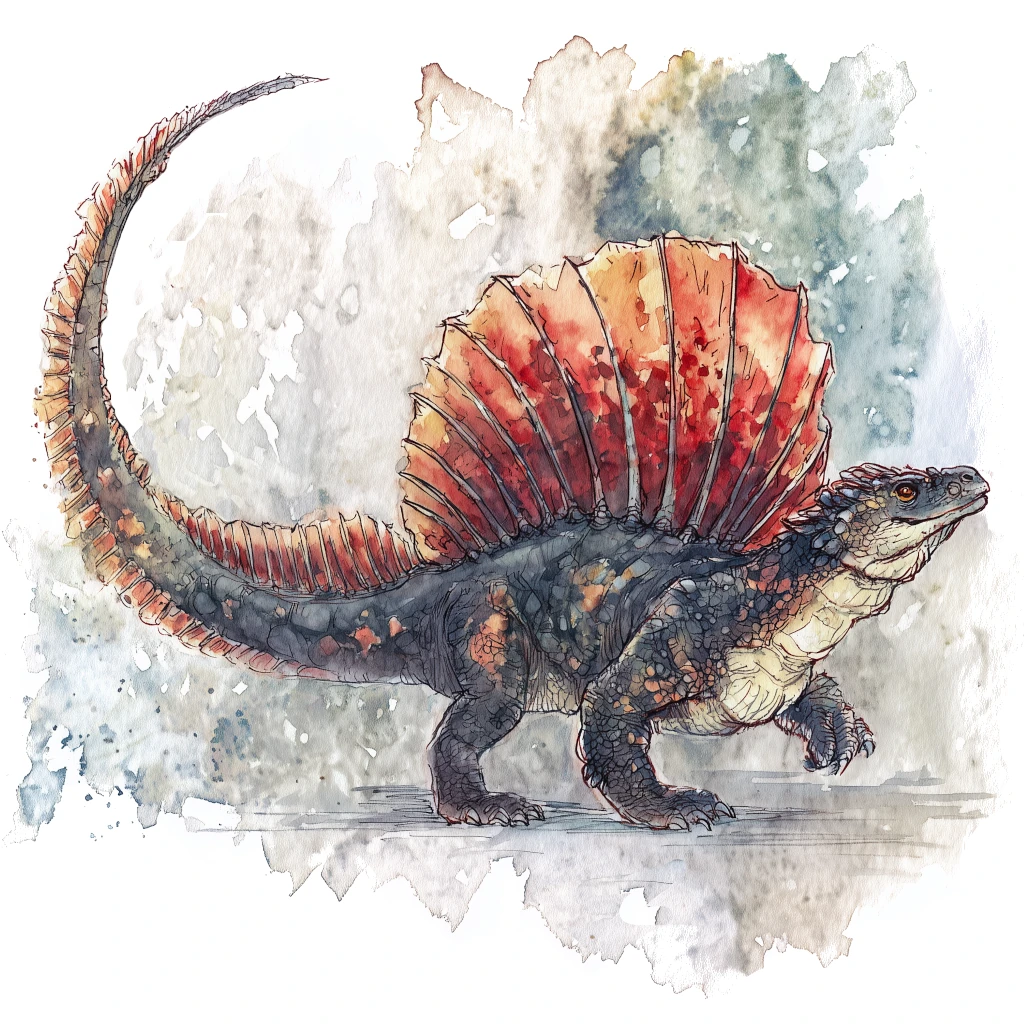
Two Measures of Teeth; N | Large | Animal | Synapsid; CR ¼–3
Habitat: Coasts, swamps, lush floodplains
The dimetrodon [die-METRA-don] stalks Pangaea’s swampy lowlands and river margins like a sail-backed alligator from the ninth pit—a squat, quadrupedal beast stretching fifteen feet from its blunt snout to the tip of its bludgeoning tail. It tips the scales at two thousand pounds of cold-blooded hunger. The sages of the Fraternity tell me that dimetrodon ain’t technically a dinosaur at all but a synapsid, and a distant ancestor of mammals—so remember that useful fact when you’re caught in its death-roll. Watch out for its teeth too, not only do they point in different directions for ripping and rending, but they’re also infected with all manner of nasties that’ll make you sick real fast.
Now cutter, that massive sail ain’t just for show. It soaks up sunlight to warm up the beast while its prey still shivers in the morning damp, giving it a few valuable hours of predatory advantage before the rest of Pangaea wakes proper. Don’t get too close admiring it though, because that fin also packs quite a punch if the dimetrodon decides to slap you with it. It’s also a bit of a weakness, mind—if you’re canny enough to bring cold magic, you’ll find dimetrodon particularly susceptible. Be especially vigilant at dawn, because if you see that tell-tale sail through the mist then it means meat’s on the menu, but unfortunately it’s yours.
Stats: [ D&D 2e | 3e | 5e | PF 1e | 2e ] Monstrous Compendium Annual Volume Two [2e] p37;Volo’s Guide to Monsters [5e] p139; Bestiary 3 [PF1e] p78; Homebrew [PF2e]
Erythrosuchus
N | Large | Animal | Dinosaur | Erythrosuchid; CR 8
A cross between a crocodile with the huge head of a tyrannosaur, the erythrosuchus is a top predator with a lot of dangerous tricks.
Stats: [ D&D 5e | PF 2e ] * Dr Dhrolin’s Dictionary of Dinosaurs p128
Garjainia
N | Small | Animal | Dinosaur | Erythrosuchid; CR 1
A small crocodilian with a huge head, which excels in bite-and-grab to hunt.
Stats: [ D&D 5e | PF 2e ] * Dr Dhrolin’s Dictionary of Dinosaurs p132
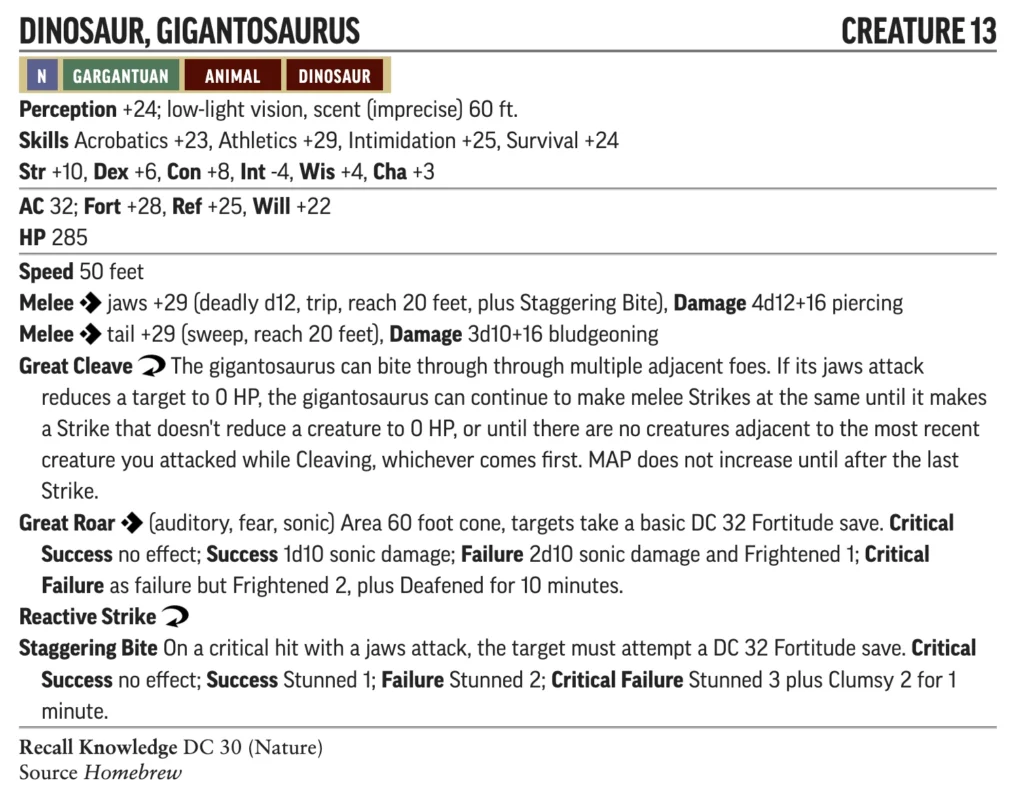
Giganotosaurus
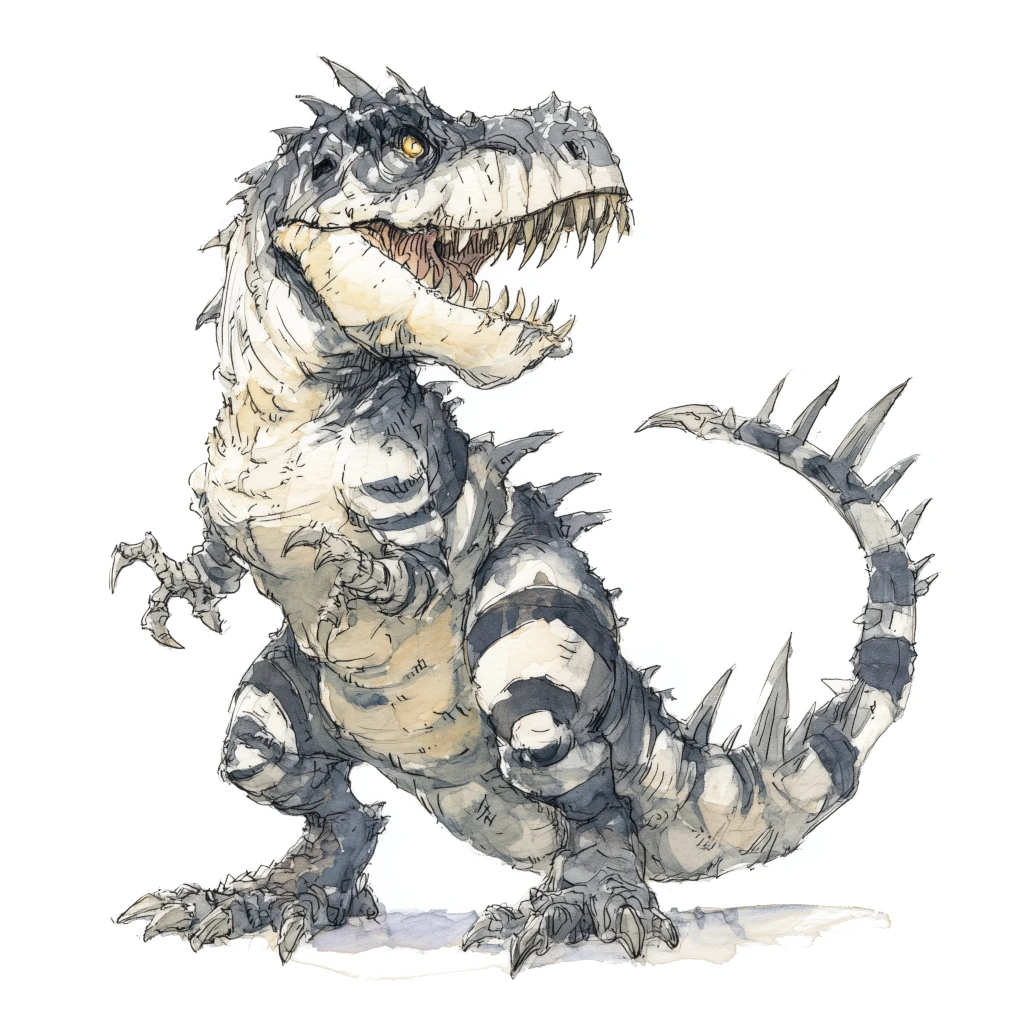
Giant Lizard; N Animal | Dinosaur | Theropod; CR 13
Habitat: Warm humid plains, riverbanks, dense forests
The gigantosaurus [jye-GAN-tuh-SAUR-us] reigns as Pangaea’s most fearsome—even if not the most famous— theropod, a sixty-foot-long, thirty-five-thousand-pound bipedal colossus of slaughter with a insatiable appetite. Its slavering, cavernous jaws are packed with teeth the length of shortswords. This apex predator moves with a terrifying grace for something so bulky, its massive head swaying low as it covers ground in lunging strides. They’re even more terrifying when they come at you in a pair, charge across the open plain as fast as horses only much more murderous. Their aim is to scatter herds toward the forest margins where younger gigantosaurus probably lie in ambush.
Once it’s closed in, the gigantosaurus goes for pure shock and awe, lunging to grab with its nightmarish jaws, then pinning and tearing with a ferocity that leaves few survivors to recount the experience. Chant is that no other creature on Pangaea can match the gigantosaurs’ combination of raw muscle mass, jaw power, and pack coordination. Give its domains a wide, wide berth, cutter.
Stats: [ D&D 3e | 5e | PF 1e | 2e ] Dragon Magazine #318 [3e]; Bestiary 6 [PF1e] p94; Homebrew [PF2e]
Gorgosaurus
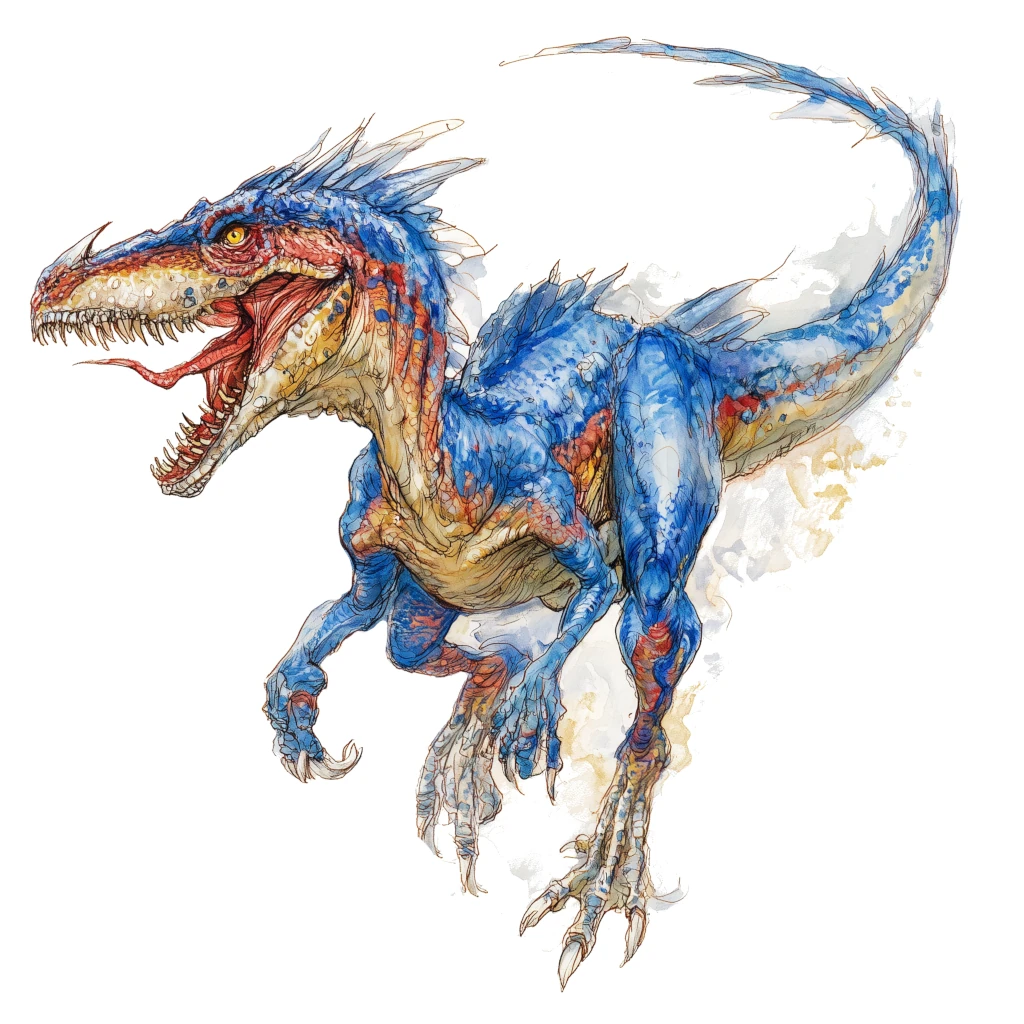
Dreadful Lizard, Albertosaurus; N Animal | Dinosaur | Theropod; CR 9
Habitat: Coastal plains, seashores, forests
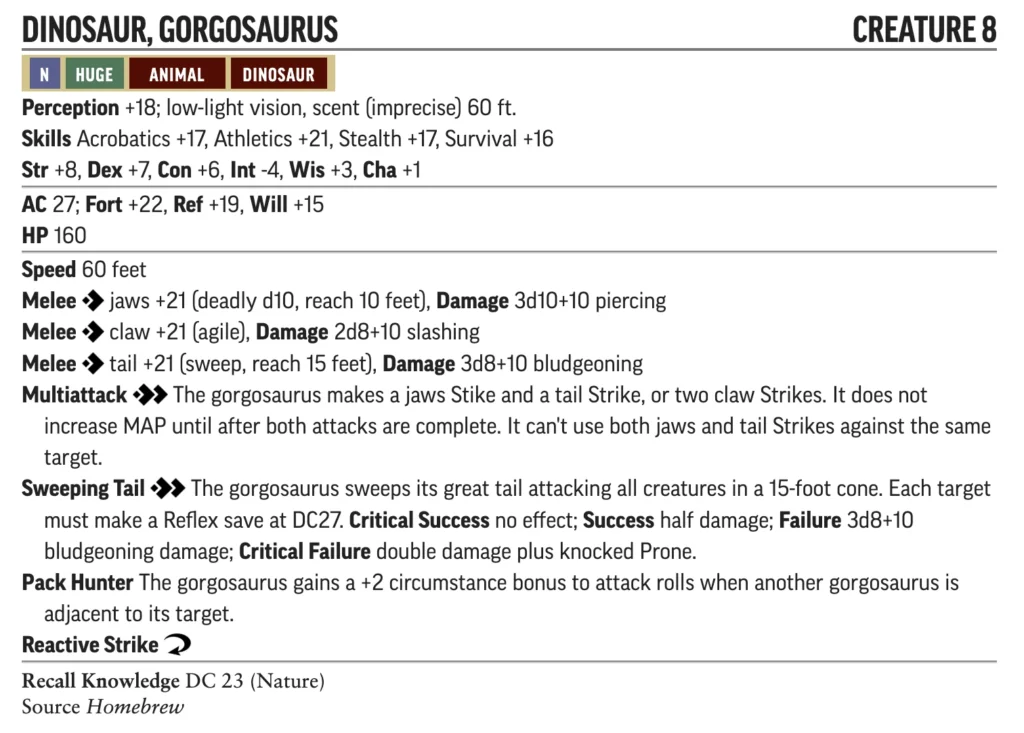
The gorgosaurus [gorg-uh-SAUR-us] is one of Pangaea’s more dreadful hunters, a leaner and more ancient relative of the tyrant kings. With a long snout and spines swept back like hooks, gorgosaurui are two tons of mostly teeth, claws and spikes. They stalk the coastal plains, seashores, and forest edges, places where the ground can be crossed quickly and their prey can be driven towards water or cliffs. A gorgosaurus is at its most dangerous when it has room to run: a fleet, aggressive carnivore that closes with frightening speed, bite first, and bites fast. It’s built for pursuit and harassment, using its narrow head to snap and tear while its tail is ready to punish anything trying to circle behind it. These are the sort of beasts that do not need to be the biggest thing in the valley to own the valley.
Stats: [ D&D 2e | PF 2e ] Monstrous Compendium Annual Volume Two [2e] p37; Homebrew [PF2e]
Juravenator
N | Small | Animal | Dinosaur | Theropod; CR -1
A small theropod hunter of fish and insects with a very sharp bite.
Stats: [ D&D 5e | PF 2e ] * Dr Dhrolin’s Dictionary of Dinosaurs p140
Majungasaurus
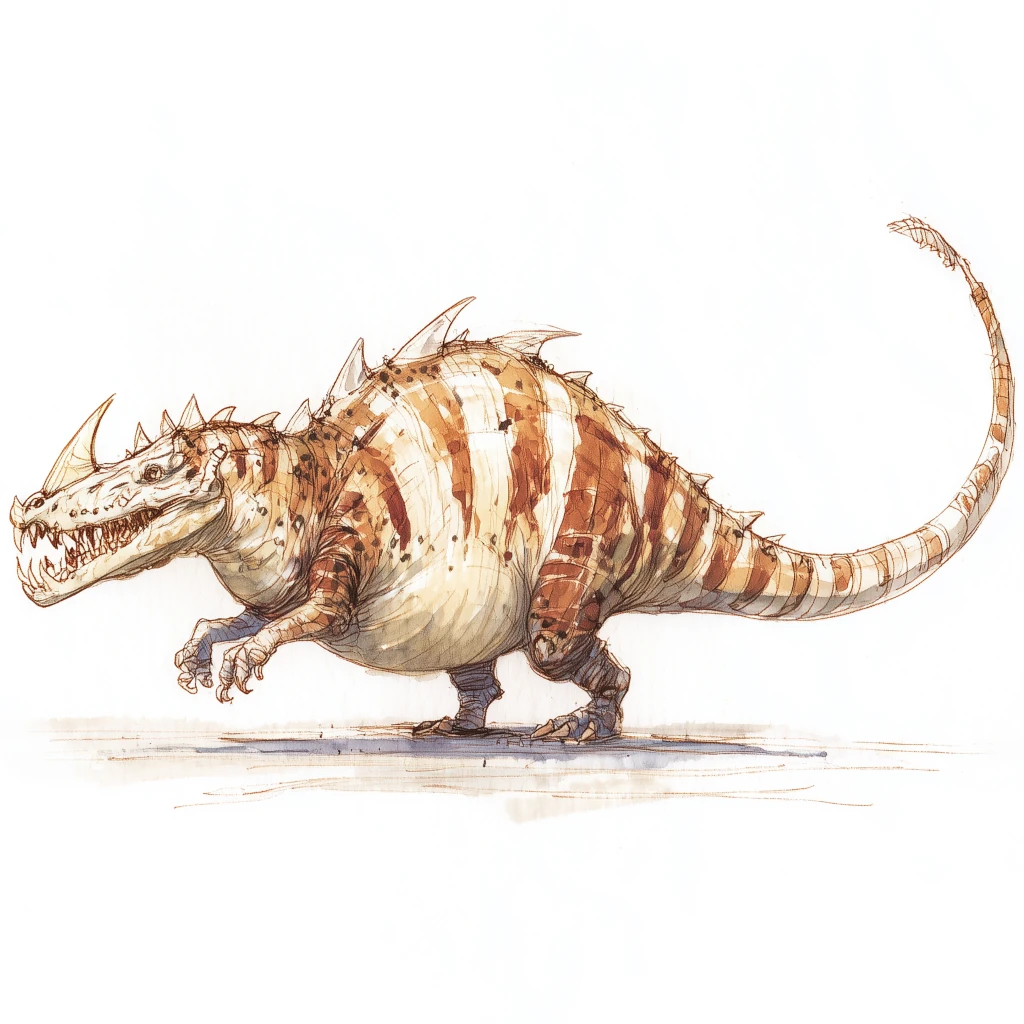
Megalosaurus; N Animal | Dinosaur | Theropod; CR 6
Habitat: River deltas, floodplains, swamps
Majungasaurus [mah-junga-SAUR-us] prowls Pangaea’s river deltas, floodplains, and swamps like a thirty-foot-long, one-ton ambush engine. It carries its bulk so low to the ground that it’s practically eye-to-eye with any planewalker dumb enough to wander past. Unlike the charging giants of the open plains, this crouching carnosaur’s a patient stalker, lying motionless in reedbeds or mud shallows till prey steps within reach…then it suddenly bursts from cover with a bone-rattling roar that freezes the blood. Majungasaurus specialises in taking advantage of terrified prey. Its massive jaws—built for cracking bone—can clamp down with force enough to shatter large sauropod femurs. Or even the bones of fellow majungasaurus, for these beasts will attack their own too. Bipedal when they need the speed, quadrupedal when they want the stealth, majungasauri are adaptable, sneaky, and masters of their soggy terrain. If you’re travelling in swampland, and suddenly realise all the birds and insects have stopped making noise… you’re about to have a bad day,
Stats: [ D&D 2e | PF 2e ] Monstrous Compendium 3: Forgotten Realms Appendix [2e]; Howl of the Wild [PF2e] p137
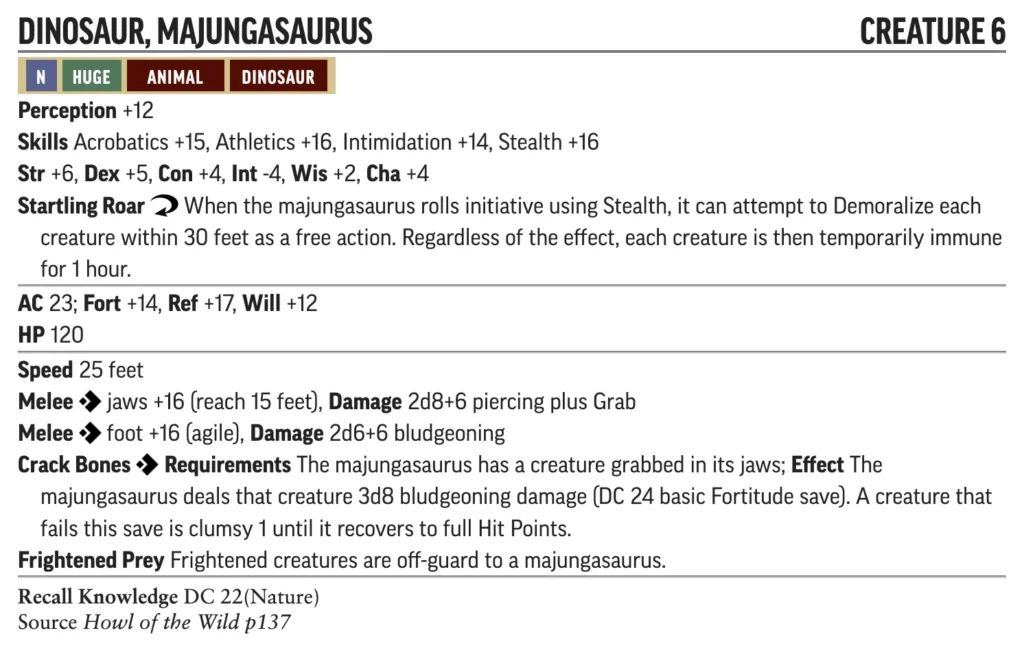
Megalosaurus
N | Large | Animal | Dinosaur | Theropod; CR 4
A carnivorous theropod that specialises in attacking creatures larger than itself.
Stats: [ D&D 5e | PF 2e ] * Dr Dhrolin’s Dictionary of Dinosaurs p152
Megaraptor
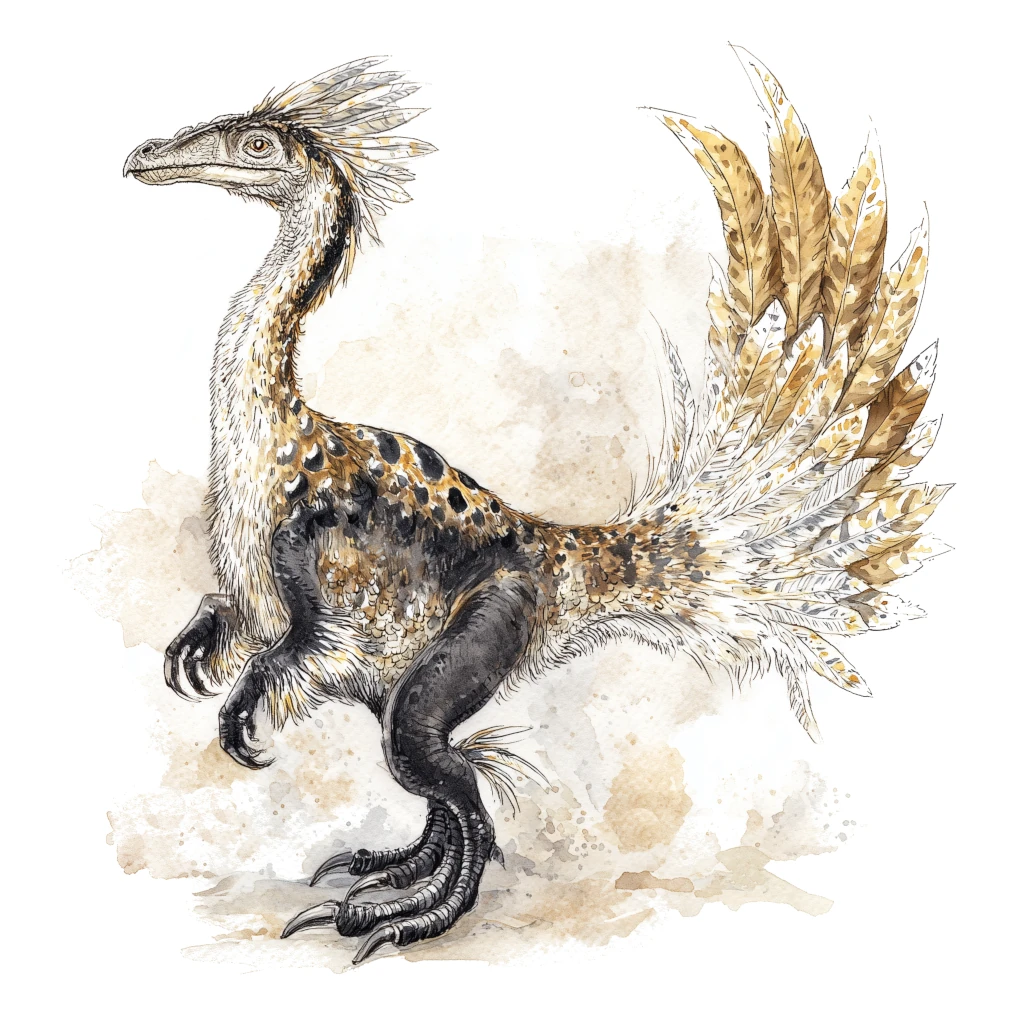
Large Thief; N | Large | Animal | Dinosaur | Theropod; CR 6
Habitat: Rivers, woodlands, valleys
The megaraptor is one of Pangaea’s stranger large predators; a sleek twenty-foot long forest-dweller with the body plan of an overgrown deinonychus and the attitude of something that knows exactly how to maximise trouble with its enormous hooked claws. They hunt in pairs or alone, using a similar taloned pounce and pack discipline to its smaller cousin, but scaled up into a far uglier proposition. Megaraptors cut a twenty-foot silhouette that slides stealthily between hiding places as they close in, their long skulls held low and forward, and muscular forelimbs spread wide for weight distribution and quiet steps. Each claw carries a set of wicked crescent blades that can hook, rake, and hold prey in place while the jaws move in for the finish. Unlike the brutish open-plain tyrants, the megaraptor prefers cover, shadow, and surprise. It is just as happy ambushing a lone target as it is taking down something larger in a coordinated pair—megaraptor is less a pack animal and more a monogamous pair of executioners. If you hear a booming call rolling through the canopy, don’t assume it’s distant. And if you hear a call in reply, then it’s time to hide!
Stats: [ D&D 2e | 3e | 5e | PF 1e | 2e ] Monster Manual I [3e] p55-56; Homebrew [PF2e]
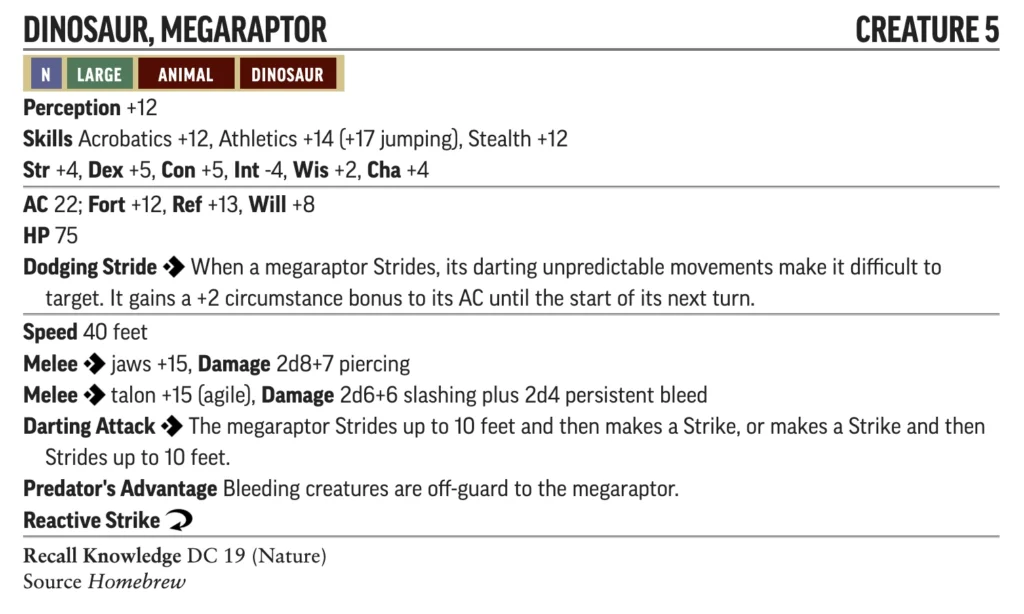
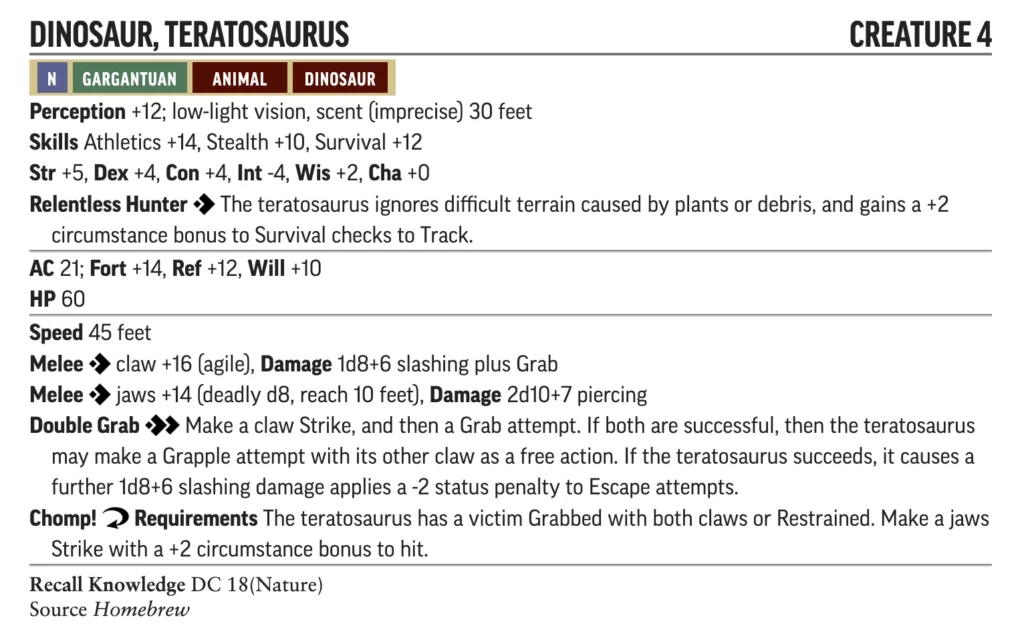
Teratosaurus
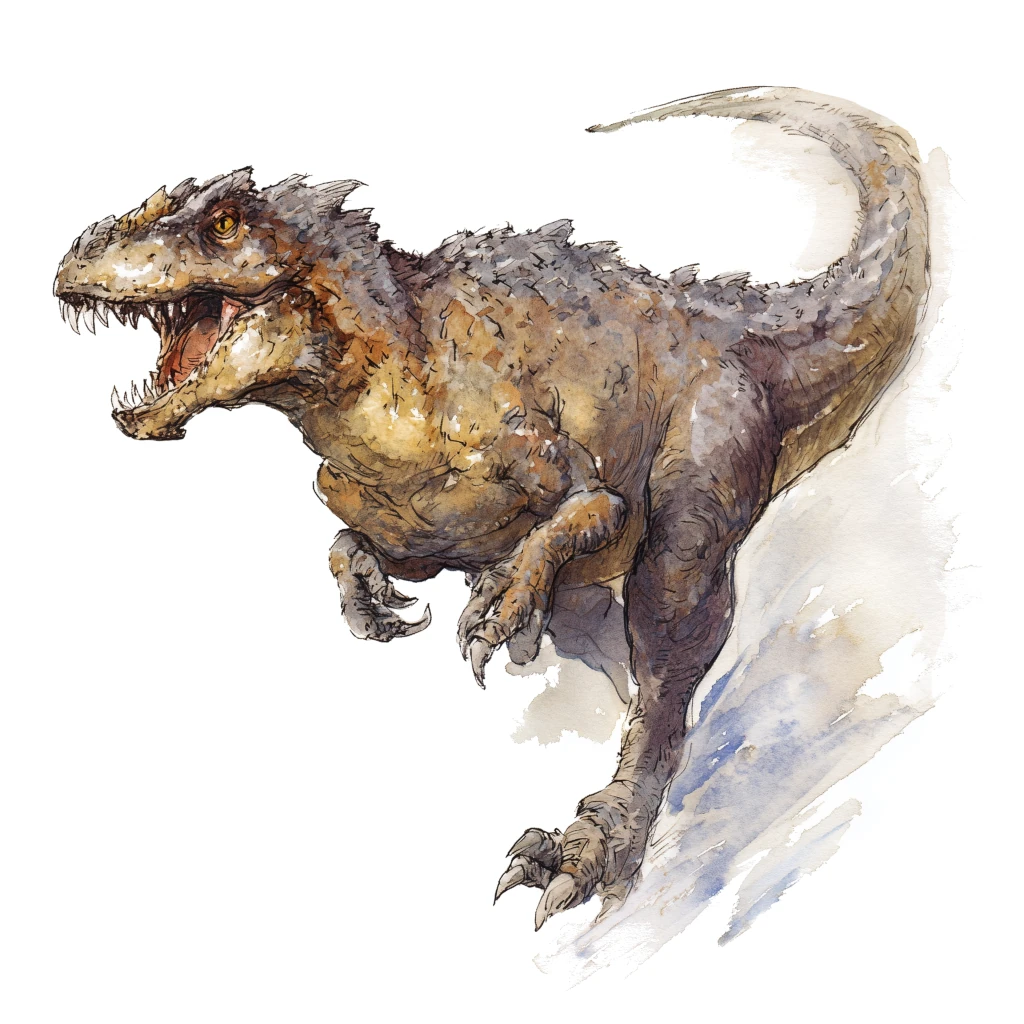
Ominous Monster Lizard; N | Gargantuan | Animal | Dinosaur | Theropod; CR 4
Habitat: Temperate forests, plains, hills
Teratosaurus [teh-ratto-SORE-us] prefer to live in Pangaea’s great forests, rolling plains, and low hills. They’re like a smaller, more primitive kind of carnosaur built from the rough sketch of an allosaurus or carnotaurus—heavy in the frame, more robust in the shoulder, a seven-foot-tall bundle of muscle weighing fifteen hundred pounds. They’ll chase anything they decide looks edible until it’s worn down. Related to the great tyrants but more ancient and primal, these solitary sods have the focus of hunters that don’t need a pack behind them to claim supremacy. When you can treat an entire forest as your personal larder, you’ll be confident like these sods too.
Stats: [ D&D 2e | PF 2e ] Monstrous Compendium Annual Volume Two [2e] p39; Homebrew [PF2e]
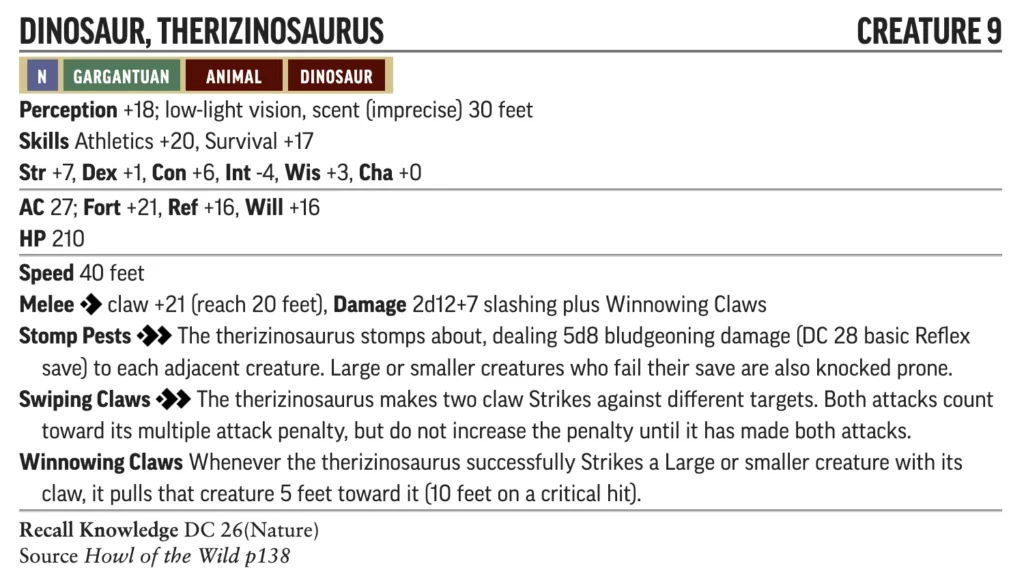
Therizinosaurus
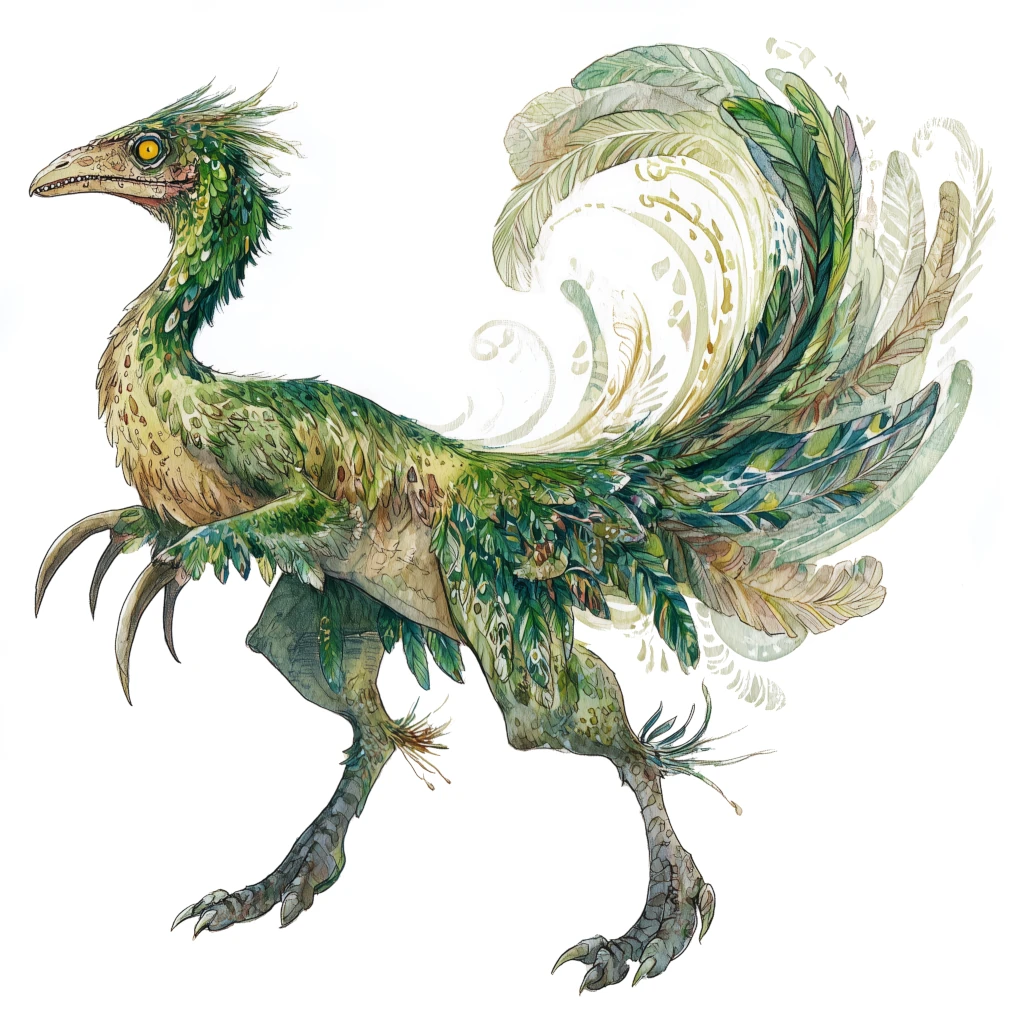
Scythe Lizard, Utahraptor; N | Gargantuan | Animal | Dinosaur | Theropod; CR 9
Habitat: Densely wooded floodplains, mangroves, swamps
Therizinosaurus [therry-ZEEN-oh-SORE-us] make their lairs in Pangaea’s flooded woodlands and mangrove thickets. While they might look like something designed by a power with a twisted sense of humour—their giant bulky bodies sprout ridiculous feathers and enormous ungainly chicken legs—once you spot the scythe-like claws that sprout from their claws the smirk will be wiped right off your face. These thirty foot long beasts have a knack for disemboweling their enemies, but you might be surprised to learn they mostly use their oversized sickle hands to slice tasty leaves from high in the canopy. Therizinosaurus are omnivorous, you see.
Perhaps because of their size and their armaments, therizinosaurus are easily angered. If startled, rather than running away, they tend to turn instantly aggressive as their foul tempers get away with them. On their own terms, they don’t hunt like the ‘rex or charge like the giganotosaurus—instead the therizinosaurus prefers to ambush, using its reach to swipe at opponents when they’re still too far away to strike back, pulling them effortlessly towards the beast like they’re chaff on the wind.
Stats: [ D&D 2e | 3e | 5e | PF 1e | 2e ] Bestiary 5 [PF1e] p84; Howl of the Wild [PF2e] p138
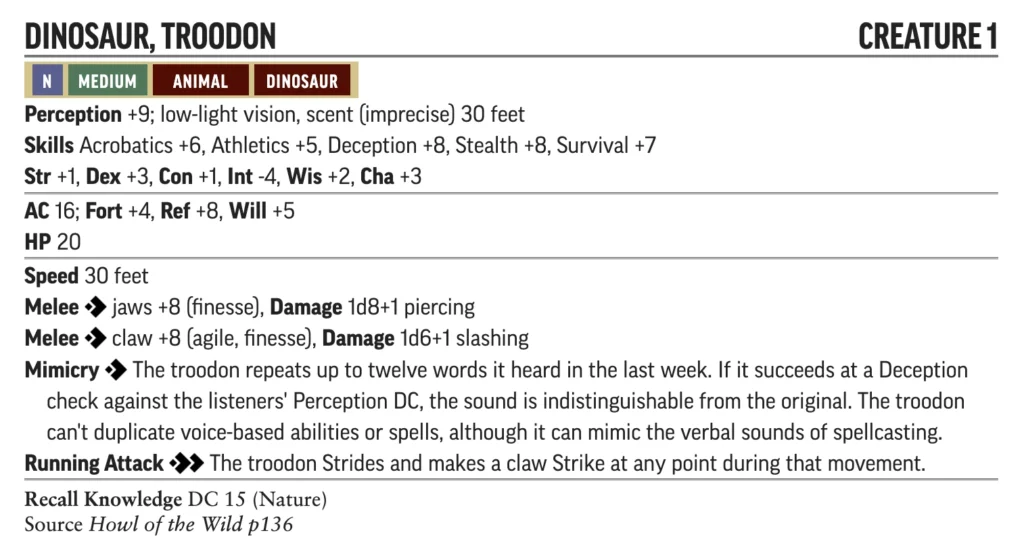
Troodon
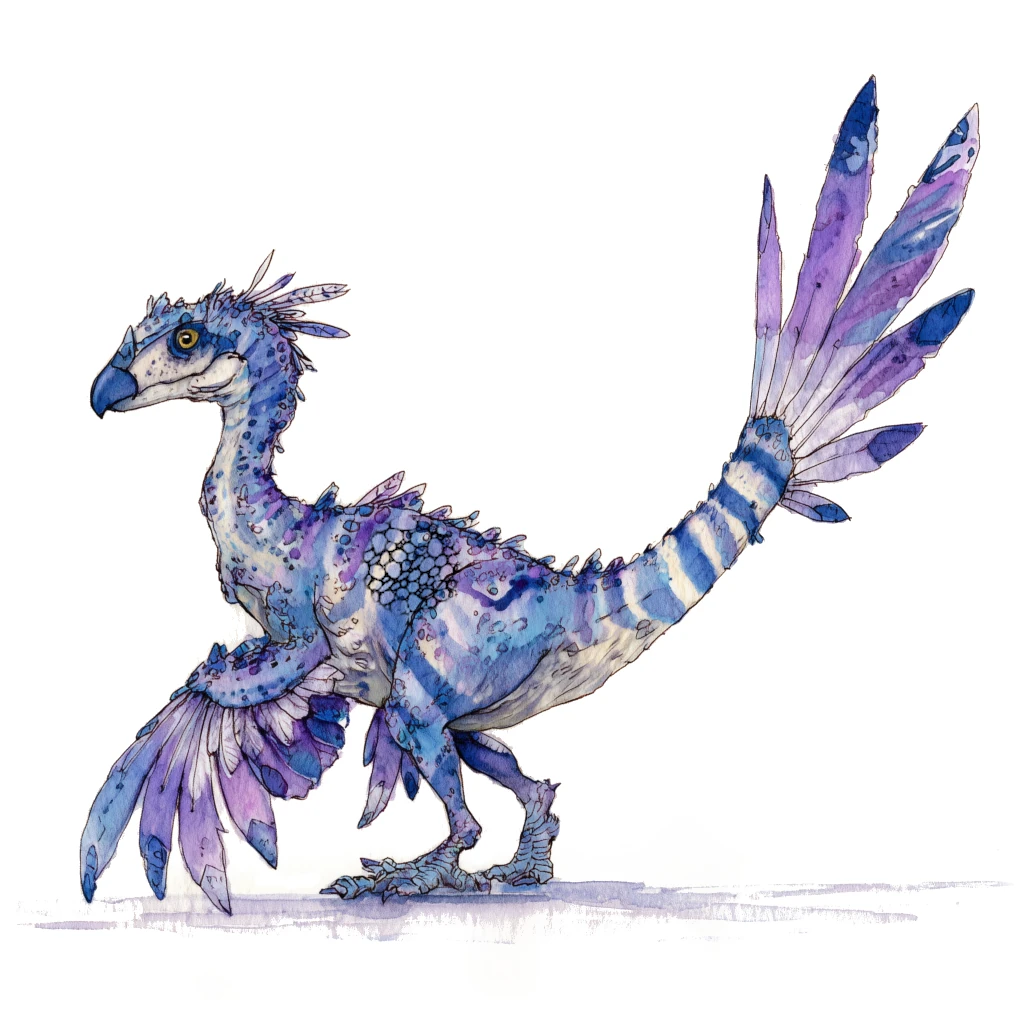
N | Medium | Animal | Dinosaur | Theropod; CR 1
These three-foot tall bird-like theropods are highly observant, and will probably spot you before you see them. They are also brighter than other dinosaurs, for a patient cutter can train them not just to perform tricks, but also to imitate words, like a great big dinosaur parrot. Whether they actually understand what it is they are saying, well, that’s another matter. Like other small theropods, they have very sharp claws, and their preferred tactic is to dash past their prey, swiping at them as they pass by.
Stats: [ PF 1e | 2e ] † Bestiary 5 [PF1e] p84; Howl of the Wild [PF2e] p136
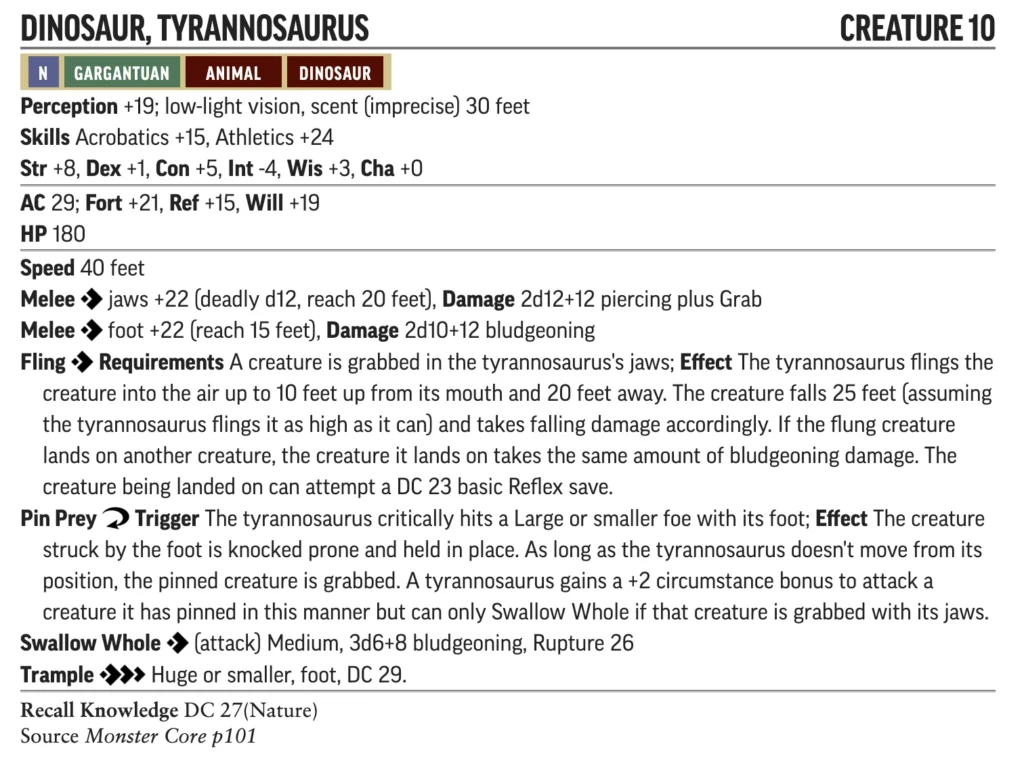
Tyrannosaurus Rex
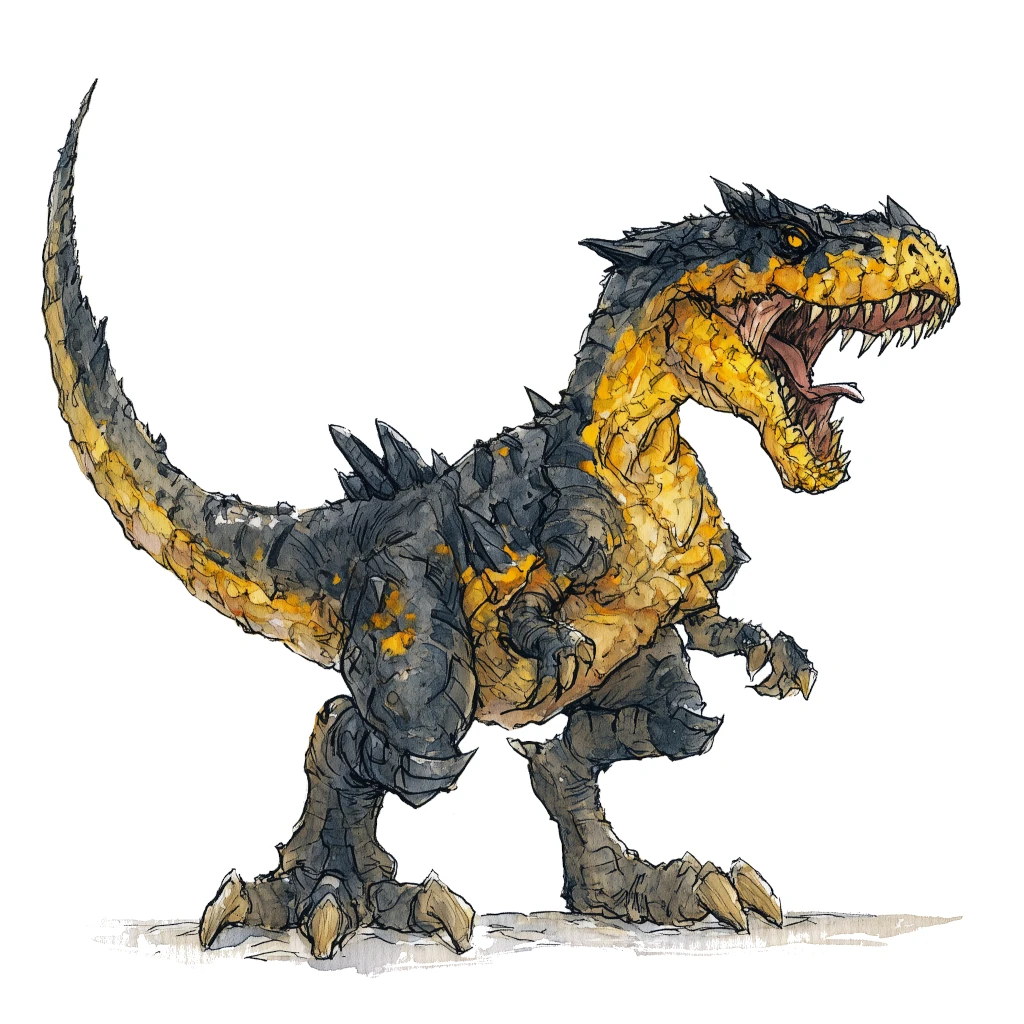
The Tyrant Lizard-King; N Animal | Dinosaur | Theropod; CR8-10
Habitat: Sub-tropical coastal plains, river valleys, marshes
The tyrannosaurus [tie-RAN-oh-SORE-us] rules whichever part of Pangaea it decided makes its home—for the Tyrant Lizard-King lives up to its reputation—a forty-foot-long, fourteen-thousand-pound killing machine that moves with implausible speed. While its tiny forelimbs dangle pretty much uselessly, its massive six-foot skull is packed with dagger-teeth ready to end any argument. This apex predator will devour anything it can get between those cavernous jaws—hadrosaurs like trachodons are its favoured meal. Human-sized prey vanishes down whole in a single gulp. Carrion keeps it going between proper kills, for the tyrannosaur has a keen sense of smell to sniffing out meals from miles off, and easily scatters lesser carnivores from their rightful kills.
Stupidly fierce don’t begin to cover it cutter—tyrannosaurus rex have been known to charge a young triceratops, snap off its head, and gulp it down, only to die hours later from the horns piercing its guts from the inside. This relentless aggression terrorises everything in their territory, from younger tyrannosaurus to entire herds of sauropods.
Stats: [ D&D 2e | 3e | 5e | PF 1e | 2e ] Monstrous Manual [2e] p54; Monster Manual I [3e] p55-56; Monster Manual [5e 2014] p79-80; Monster Manual [5e] p372; Monster Core [PF2e] p101; see also Dr Dhrolin’s Dictionary of Dinosaurs p190,196 which includes juvenile (CR 7) and ancient (CR 13) tyrannosaurs.
Ubirajara
N | Small | Animal | Dinosaur | Theropod; CR 0
A small feathered bipedal hunter with a dense mane of feathers, which it can use for displays and protect itself from attacks.
Stats: [ D&D 5e | PF 2e ] * Dr Dhrolin’s Dictionary of Dinosaurs p112
Utahraptor
N | Large | Animal | Dinosaur | Theropod; CR 4
A bipedal ambush predator, fast and furious—and hunts in groups.
Stats: [ D&D 5e | PF 2e ] * Dr Dhrolin’s Dictionary of Dinosaurs p184
Yutyrannus
N | Huge | Animal | Dinosaur | Theropod; CR 10
A smaller, feathered cousin of tyrannosaurus, more ancient but just as aggressive.
Stats: [ D&D 5e | PF 2e ] * Dr Dhrolin’s Dictionary of Dinosaurs p54
Mimir.net takes no responsibility for fatalities incurred while consulting this entry in the field.
If you are currently being pursued, stop reading and go and hide in a deep cave.
Sources: Jon Winter-Holt, Dr Dhrolin’s Dictionary of Dinosaurs. Sorry, I can’t find an online source for stats and don’t think I’m allowed to reproduce them here. If you’re at all interested in dinosaurs though the book is superb.
I don’t know if it was overlooked, but the Dimetrodon has an official statblock in Volo’s Guide to Monsters and Monsters of the Multiverse.
Also, are you planning on looking at any of the dinosaurs from the Dr. Drholin book?
Thanks for that spot! I even have Volo’s book, I’ve added the reference… although the 5e dimetrodon is pretty puny, heh!
I bought the Dr Dhrolin’s Dictionary of Dinosaurs on the back of your message and it’s GREAT! I’m not going to be including the stat blocks for those here as there’s no free-use policy in the book, but I’ll certainly include them in the tables and some references to the original source.