[ Elementaloids ] [ Ruvoka | Tribes | Manteia ]
Ruvoka
| Tribe | Elemental Plane |
|---|---|
| Ayaska ‡ | Metal |
| Brajeti | Earth (formerly Dust) |
| Chora ‡ | Vacuum |
| Ethilum | Air |
| Gobinhu ‡ | Dust |
| He’moana ‡ | Water |
| Kaltori | Fire |
| Lazuul ‡ | Mineral |
| Löylyari | Steam |
| Maltha ‡ | Magma |
| Mazuku ‡ | Smoke |
| Onibi ‡ | Lightning |
| Ramoka | Steam |
| Sartarin | Ash |
| Tokama ‡ | Radiance |
| Uublexa ‡ | Ooze |
| Vandesh | Ice |
| Vrksava ‡ | Wood |
| Wakna ‡ | Salt |
| Zathosi | Earth |
N | Medium | Amphibious | Elemental | Humanoid | CR 3+
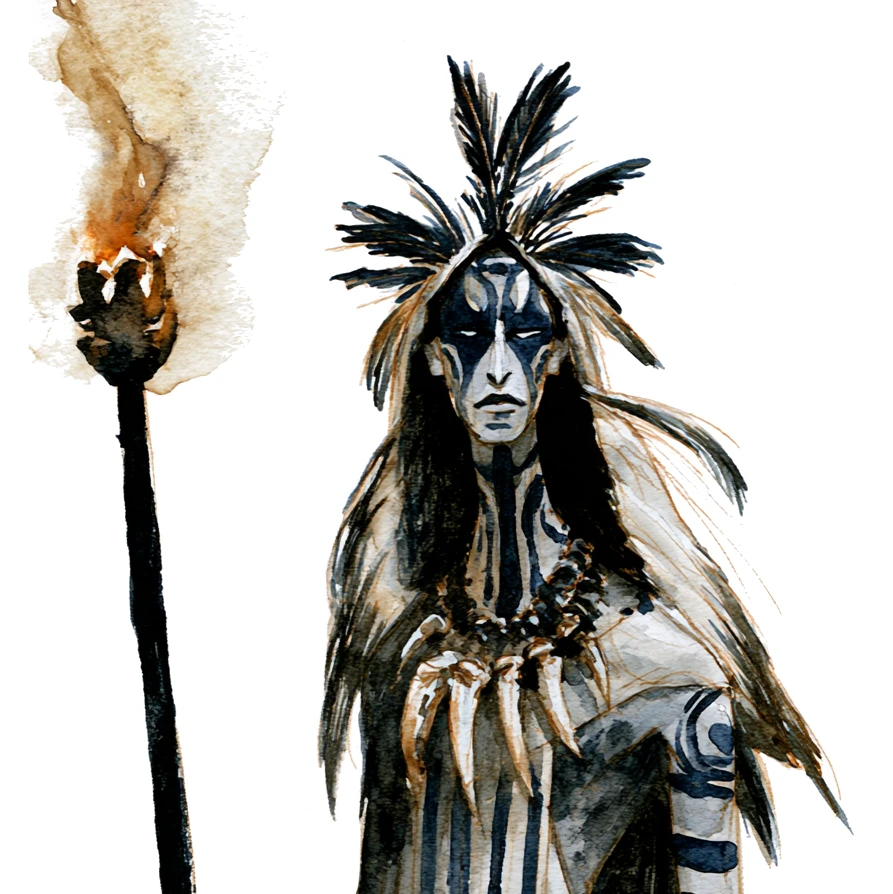
Ruvoka [ruh-VOKKER] (sometimes spelled ruvkova) are mysterious humanoids who can be found throughout the Inner Planes. They are tall, gaunt cutters who care deeply for the sanctity and nature of the elements, with each tribe being uniquely adapted to a single plane. This influences their skin tone and composition, their clothing, and their preferred tools and weapons, each of which varies from tribe to tribe. Notoriously neutral, ruvoka rarely align themselves with any particular political or philosophical faction, instead devoting themselves to the betterment and sensitive exploitation of the element in which they dwell. Ruvoka tribes are egalitarian, with each member being given a vital role to play in order for the tribe to thrive in the harsh and alien environments of the Inner Planes. Though ruvoka occasionally travel to the Prime via elemental vortices, they rarely reveal their purposes there, adding to their enigmatic reputation.
All ruvoka are primal spellcasters, and they also have the ability to imbue their weapons with elemental energy and cause splash damage to emanate on a successful melee strike. Each tribe speaks its own secret language—graybeards surmise it’s related to the Wildsong language of the druids but frustratingly, druids won’t confirm or deny this—as well as all of the elemental languages, and they can also communicate telepathically with anyone. The leaders of each tribes are mystics, seers, and prophets, called manteia by their people.
The origins are of the ruvoka are shrouded in mystery, and several theories exist. The best-known version of the story goes that the first ruvoka was an archdruid who was transformed by a powerful efreeti into the elementaloid form of the ruvoka. While the truth of this is uncertain, it raises more questions than it answers. If a single ruvoka was created, where have all the others sprung from? Why has nobody even reported meeting a female ruvoka, an elderly ruvoka, or for that matter even a youth?
A few moments of thought will cause any number of questions to spring into a cutter’s mind. Secretive as the ruvoka are, graybeards have yet to answer even basic questions about them with certainty. Here then follow some common questions about the ruvoka and the primary theories that have been put forward to answer them.
How are ruvoka different from genasi? Most genasi are plane-touched mortals, which means they are part human (or elf or dwarf etc.), and part genie (or elemental or veela etc.). With one mortal parent and one elemental, their blood is powered by primal magic, which grants them all manner or unusual abilities depending on the element in question. More rarely, a genasi might be born to a planewalking mother in an area of extreme elemental energy, and this was sufficient to infuse them with similar nature. While genasi can dwell on elemental planes, their bodies are not especially adapted to this, and many become planewalkers. Further, because they are conceived in isolation, there are few genasi-dominated burgs and thus no coherent genasi ‘society’ as such.
Ruvoka, on the other hand, do not appear to have been ‘born’ at all, and nor are they ‘mortal’ in the regular sense, for they do not seem to age. While the ruvoka tribes share enough of their general body shape that they appear to have once been human, each tribe has evolved to perfectly suit life on a single elemental plane. Ruvoka band together in tribes of like-bodied individuals, each of which has evolved a strong tribal identity.
Where do new ruvoka come from? This is the question that has the most theories, and the least certainty, because as different as the ruvoka tribes are, it is taboo for all of them to talk about this with outsiders. Some graybeards believe ruvoka are created rather than born, their bodies shaped into the adult image of their makers like some kind of homunculi, and the life breathed into them is either taken (stolen?) from the Positive Material Plane directly, infused from the mingling of blood from existing ruvoka of the tribe, or by the merging of the new body with a one or more pneuma—the petitioner-spirits that occasionally arrive on the Inner Planes. This latter theory may explain why pneuma are rare, and why ruvoka always seem to be searching for something. The addition of a soul would also explain why the ruvoka are something more spiritual than a construct per se, but also why their bodies do not seem to suffer from the aging process. Or perhaps they do age, but their numbers are constantly being replenished?
A second theory links ruvoka to the secretive order of druids from the Prime, suggesting that ruvoka are some kind of form taken by elemental clerics or druids after death, or the result of a ritual that certain druids might undertake. While heirophant druids can become elementals, perhaps a druid who gets put into the dead-book before they reach this exalted status can only ‘manage’ to become a ruvoka? Or perhaps they simply prefer a more humanoid form? This theory also potentially explains the secretive language spoken by ruvoka, although each tribe seems to have evolved their own dialect. Additionally, the notoriously dangerous Prime desert world called Athas is sometimes linked to this theory. It does not explain satisfactorily, however, why all ruvoka seem to be male, for female druids most certainly exist. It is possible the tribes simply keep female ruvoka hidden, or perhaps they take an entirely different form. Some barmy theories even suggest ruvoka may be the male form of a true weird!
Are ruvoka tied to one element forever? The answer to this would seem to be no, for according to ancient texts, the brajeti tribe were once wanderers of the Plane of Dust, but these days now walk the tunnels of Earth. Why they left their homeland is unknown—unless it’s for the obvious reason that Dust is simply a terrible place to live. This seems to occur infrequently enough to suggest it is a challenging process to achiev, and no single ruvoka has ever been observed to transition between elements, or indeed to want to do so.
What do the ruvoka want? Each tribe of ruvoka appears to pursue different goals, but they all seem to have a few key philosophies in common. Ruvoka care for and defend rare creatures and phenomena on their home planes. They are not interested in maintaining the purity of the element-stuff itself like elementals or weirds, but in looking out for elementaloid and biological creatures that have made their homes on the planes. Chant goes some ruvoka are responsible for breeding new hybrid elemental creatures to populate particular niches on their plane—or to import on to Prime worlds. Perhaps they are searching for the way to create entirely new Prime world from basic elements? After all, the druids from the prime world of Verdorth—the ill-fated creators of the shads—almost managed it…
Why are there no rukova from the Positive or Negative Material Planes? This question has been pondered by graybeards ever since the ruvoka were first encountered. The prevailing theory is that the Positive and Negative planes, Creation’s Forge and the Void, consist of primal energies rather than the building blocks of reality. Ruvoka may well have attempted to colonise them, but abandoned them when they found the planes lacking in any kind of natural animal life. The hostility of both the jyoti of the Positive and the sceaduinars of the Void are likely to have contributed to this too. However there is darker chant that suggests ruvoka who looked too deeply into the Void and tried to adapt their nature to it were instead warped into something dark and terrible, called hundun.
Example Ruvoka Statistics
The following statblock is for a basic low level ruvoka of the zathosi, a clan of the plane of Earth. This is a statblock for just one of many types of ruvoka. To create stats for another ruvoka tribe, you can make the following modifications to this statblock:
- Replace the speeds and the resistances to the elementally appropriate ones. Keep in mind that ruvoka are typically immune to the harmful effects of their native plane and can glide through the elemental matter.
- Add relevant elemental traits (as well as the amphibious trait for water-based ruvoka).
- Replace the weapons with culturally appropriate ones.
- Change the spell list in ways you find fitting.
- Change the additional damage of the Imbue Weaponry ability.
- You can also add additional skills. For example, ethilum ruvoka would have proficiency in Performance.
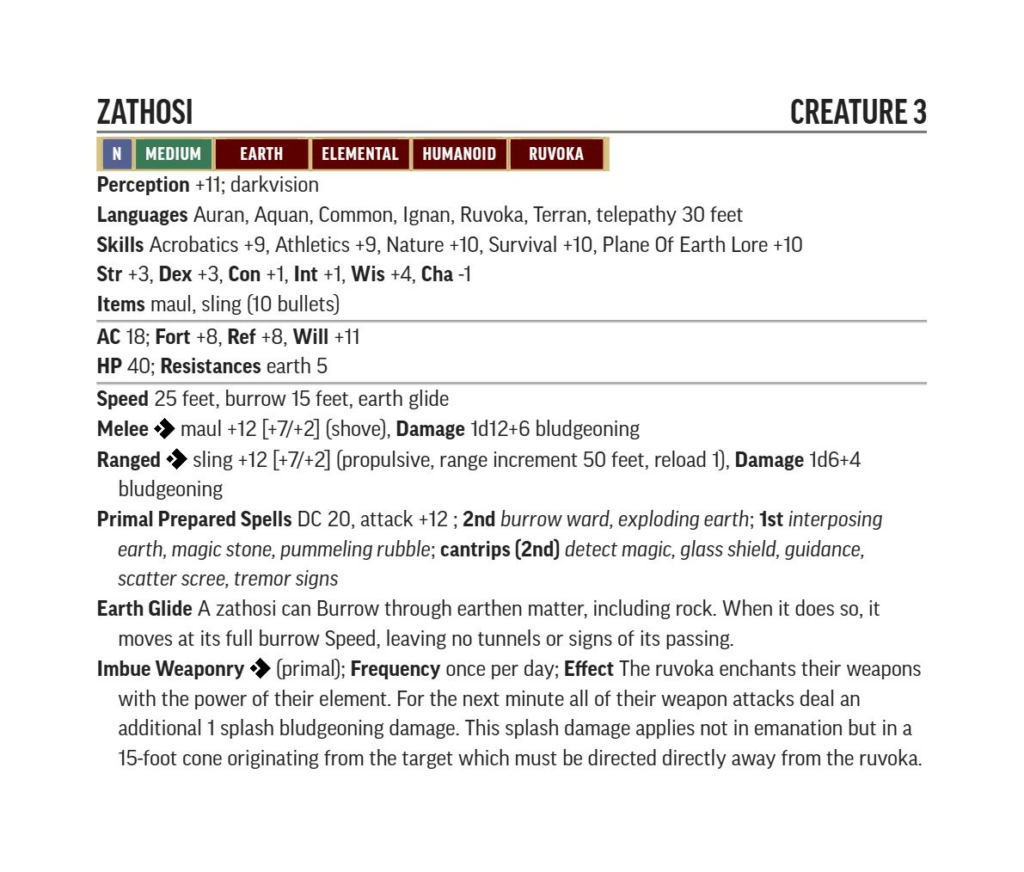
Below are details for the appearance, philosophy and unique features of each of the better-known ruvoka tribes. This also assumes every ruvoka also has detect magic and guidance in their list of cantrips.
Ayaska
N | Medium | Elemental | Humanoid | Metal | Ruvoka
Suggested Modifications to Zathosi Stats…
- Skills: Crafting (metalwork) +10, Plane of Metal Lore +10
- AC: 19
- Resistances: electricty 5, metal 5
- Speeds: burrow 5 feet, an ayaska can Burrow through nonmagical metal leaving no tunnels or signs of their passing.
- Melee: spiked chain (disarm, finesse, trip) 1d8+6 slashing
- Ranged: chakram (thrown 20 feet) 1d8+6 slashing
- Cantrips: detect metal, live wire, needle darts
- 1st: conductive weapon, leaden steps, mending
- 2nd: clad in metal, magnetic repulsion
- Additional damage: slashing
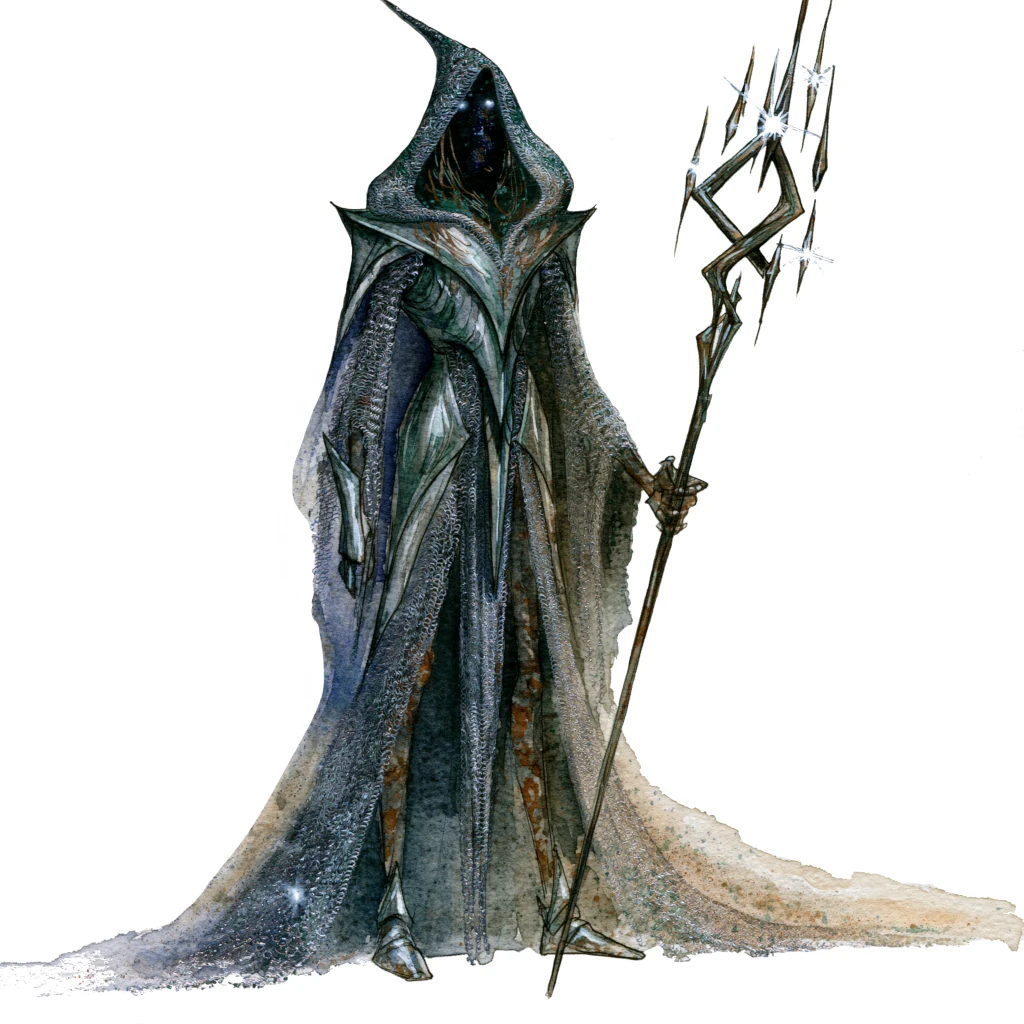
The ayaska [eye-ASKA] are a ruvoka tribe of the Plane of Metal, who’ve been out-of-touch with their kin for such a long time that even their mythology has diverged. Ayaska believe that their ancestors were forged when a falling star of pure skymetal first cooled into a fleshy form. Their skin is a mottled bronze shot through with rust veins, and their hair is a rich copper colour that oxidises with age, with the elders of the tribe proudly sporting a vibrant green. However, their actual bodies are rarely seen, because ayaska are never seen by outsiders without their armour. Well, planewalkers call it ‘armour’ but in fact for the ayaska their metal body-coverings are more like robed clothing, just made from metal. Their fabric is like the finest chain mail, and their ability to craft the most delicate metal items is equalled by only the elves. Ayaska, however, have access to rare metals of which prime-bound elves and dwarves have never even dreamed. The Demi-Elemental Realm of Bullion contains the perhaps richest seams of skymetals in the Multiverse, and ayaska artisans excel at working with many of them. As well as durable adamantine, metals like inubrix—also known as ghost iron for its ability to phase through other metals—and magic-resistant noqual are within their expertise. Such metals are extremely hard to work with, and it’s likely that the few items that can be found across the Multiverse originated in the forges of these cutters. Even though ayaska also make extremely fine weapons, as a people they are surprisingly pacifist. The manteia of the ayaska are called molybdomancers.
Brajeti
N | Medium | Earth | Elemental | Humanoid | Ruvoka
- Skills: Deception +9, Plane of Earth Lore +10
- AC: 19. Brajeti ruvokas additionally carry bronze shields, and have the Raise a Shield action and Shield Block reaction
- Resistances: air 5, earth 5
- Speeds: burrow 15 feet
- Melee: bronze khopesh (trip) 1d8+6 slashing
- Ranged: light hammer (agile, thrown 20 ft) 1d6+6 bludgeoning
- Cantrips: detect metal, scatter scree, slashing gust
- 1st: gritty wheeze, scouring sand, weaken earth
- 2nd: cleanse air, rubble step
- Additional damage: slashing
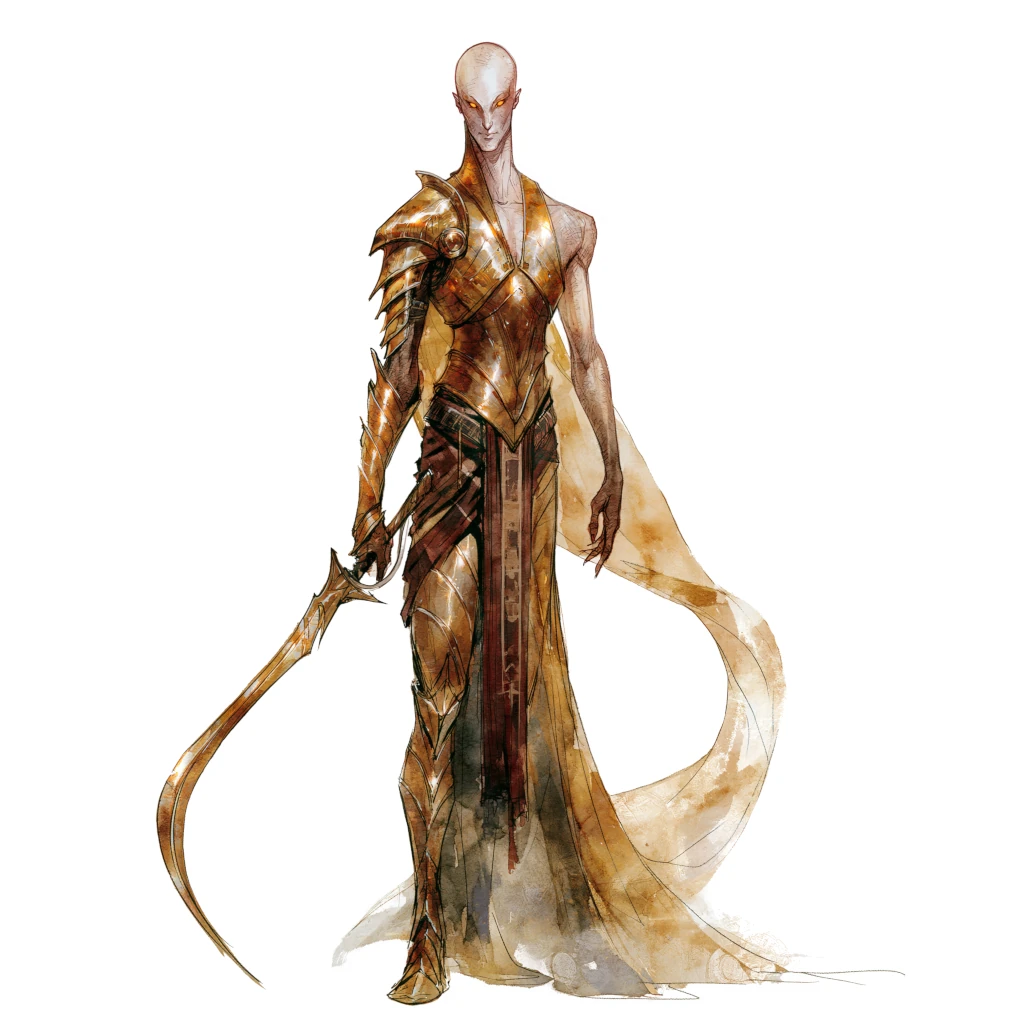
Brajeti [BRAH-jetty] are the second of the major ruvoka tribes in the Plane of Earth. They’re tall and slender, have skin the colour of clay, and extremely long, dextrous fingers which they use to burrow and sift through soil. They wear shining bronze breast plates for armour and when expecting a fight, a bronze shield. They establish their camps around sites of natural wonder—huge caves, occlusions of giant crystals, outcrops of adamantine and so on. Brajeti seek out rare minerals which they believe need protection from exploitation, strip mine them, and then re-bury them in more secret locations. No one’s yet tumbled to the dark on where this might be, but recent chant speculates it may be some hard-to-find location in the Elemental Chaos, or even a previously unknown elemental plane. I find this notion laughable at best—but I cannot deny that the brajeti are among the most mysterious tribes of the ruvoka.
Chora
N | Medium | Air | Elemental | Humanoid | Negative | Ruvoka
- Skills: Occultism +9, Plane of Vacuum Lore +10
- Resistances: void 5, immune to suffocation
- Speeds: fly 30 feet
- Melee: spiked mace (backswing, versatile P) 1d8+6 bludgeoning
- Ranged: sling (propulsive) 1d6+6 bludgeoning (range 50 feet, or unlimited on the Plane of Vacuum)
- Cantrips: deep breath (range: touch), know the way, vitality lash
- 1st: decompose, dome of tranquility, seashell of stolen sound
- 2nd: darkness, guiding star
- Additional damage: void
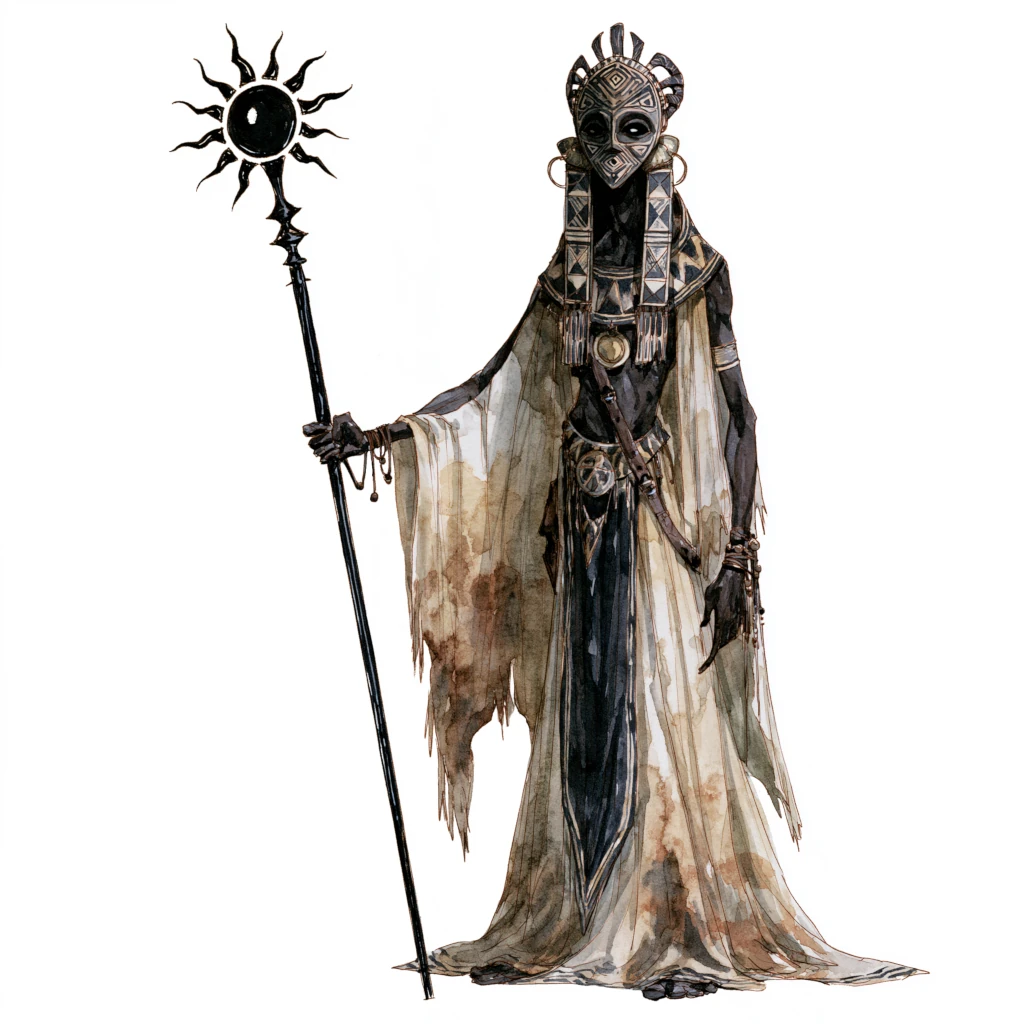
The chora [KORE-uh] are a ruvoka tribe of the Plane of Vacuum, a people renowned for their astronomical expertise and their ability to navigate the emptiness of the Vast by reading the faintest of differences in the blackness and gravitational currents. They believe the darkness between worlds is not nothingness, but a manifestation of the sacred realm from which all existence emerged. Their slender, almost weightless bodies have dark indigo-black skin, while their large reflective eyes can perceive subtle disturbances in the void. The chora maintain vast, almost featureless, three-dimensional maps of the plane, marking on the trajectories of the rare elemental bubbles as they orbit each other at great distances in the Vast. They believe that every being belongs to a greater cosmic plan, although they will rarely share the details with outsiders. Chora commonly wear elaborate masks when travelling, greeting visitors, or during ceremonies—virtually any time they are encountered. They have different masks for each of these situations, representing ruvoka ancestors and the ordered patterns of the Vast. These symbolic masks conceals the wearer’s identity, and the chora remind themselves that identity is fleeting by representing the emptiness beneath the self in this way. While they are capable of flight, chora typically travel on enchanted flying rafts woven from mysterious materials. For all their love of empty space, the chora are also fascinated by the strange kinds of creatures that dwell here. They have mapped and maintain and network of earthbergs that are able to sustain meagre life in the void. Theirs is a dangerous existence however, for the Plane of Vacuum is home to a number of cosmic horrors, against which the chora are the first line of defence.
Ethilum
N | Medium | Air | Elemental | Humanoid | Ruvoka
- Skills: Performance +9, Plane of Air Lore +10
- AC: 17
- Resistances: air 5, sonic 5
- Speeds: fly 30 feet
- Melee: whip (disarm, finesse, magical, nonlethal, reach 10 feet, trip) 1d4+6 slashing plus 1d6 sonic
- Ranged: javelin (thrown 30 feet) 1d6+6 piercing
- Cantrips: gale blast, prestidigitation, slashing gust
- 1st: airburst, gentle landing, tailwind
- 2nd: cleanse air, gentle breeze
- Additional damage: sonic
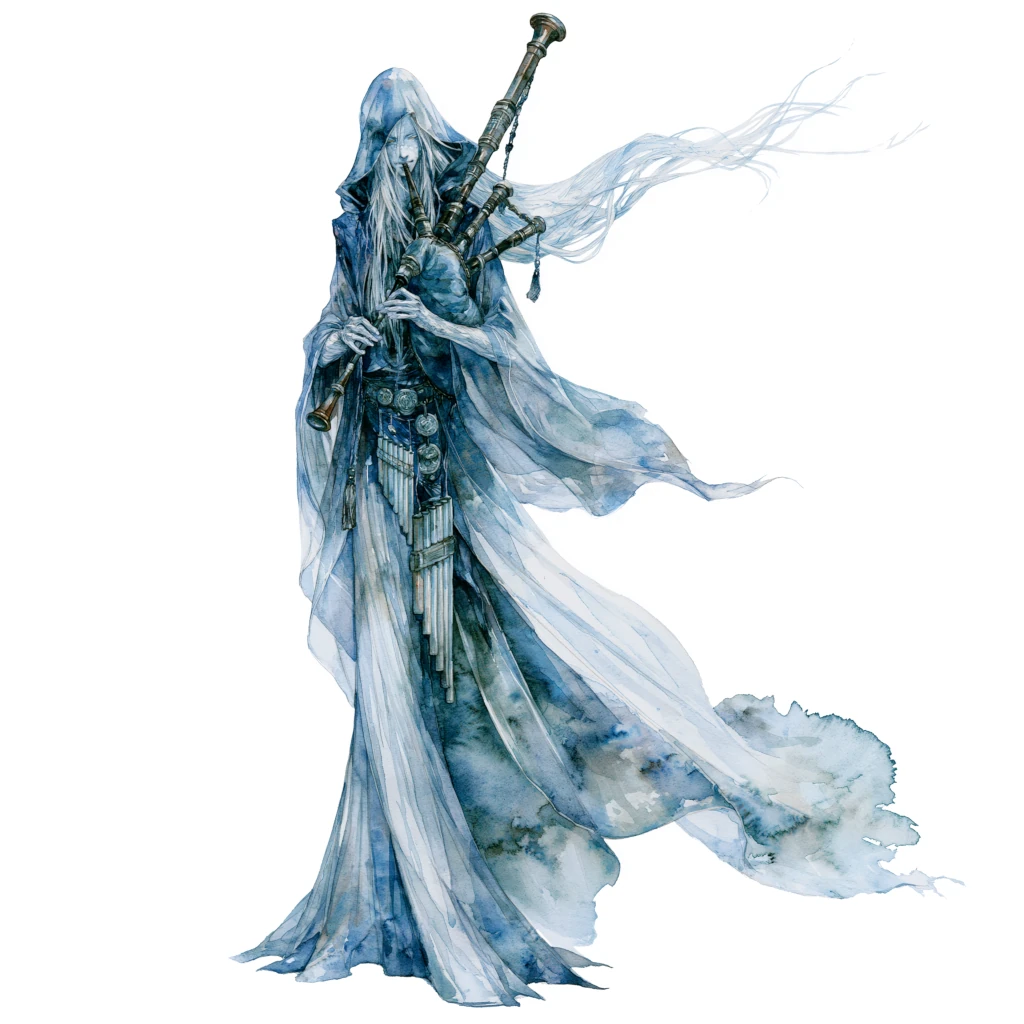
The ethilum [ETH-ill-um] of the Plane of Air are a famously musical people, dwelling in mobile cloud-camps which blow around the plane carried by the wind currents. Whether the ethilum steer their cloud homes or simply go wherever the breezes take them is not known, but they always seem to appear in time for festivals or celebrations. Their language has no written form, with history and laws passed on orally from one generation to the next in the form of songs. Their bodies are lean and unfeasibly light, with translucent skin that ripples like heat-haze and hair that refuses to lie flat. Their eyes are pale and clouded. Ethilum are also known for their fine perfumes, many of which have magical properties. Clouds are recognised by the ethilum tribe as a precious source of water in the Boundless Blue. As such, they tend to follow and protect ak’hali, the giant fish-like cloud makers of the plane.
Gobinhu
N | Medium | Earth | Elemental | Humanoid | Negative | Ruvoka
- Skills: Occultism +9, Plane of Dust Lore +10
- Resistances: void 5, earth 5
- Speeds: burrow 15 feet, earth glide
- Melee: maul-spade (deadly D10, shove, two hands) 1d10 +6 bludgeoning
- Ranged: spraysling (propulsive, scatter 5 feet, range 20 feet) 1d6+6 bludgeoning
- Cantrips: draw moisture, glass shield, scatter scree
- 1st: gritty wheeze, scouring sand, weaken earth
- 2nd: expeditious excavation, explosive dust
- Additional damage: bludgeoning
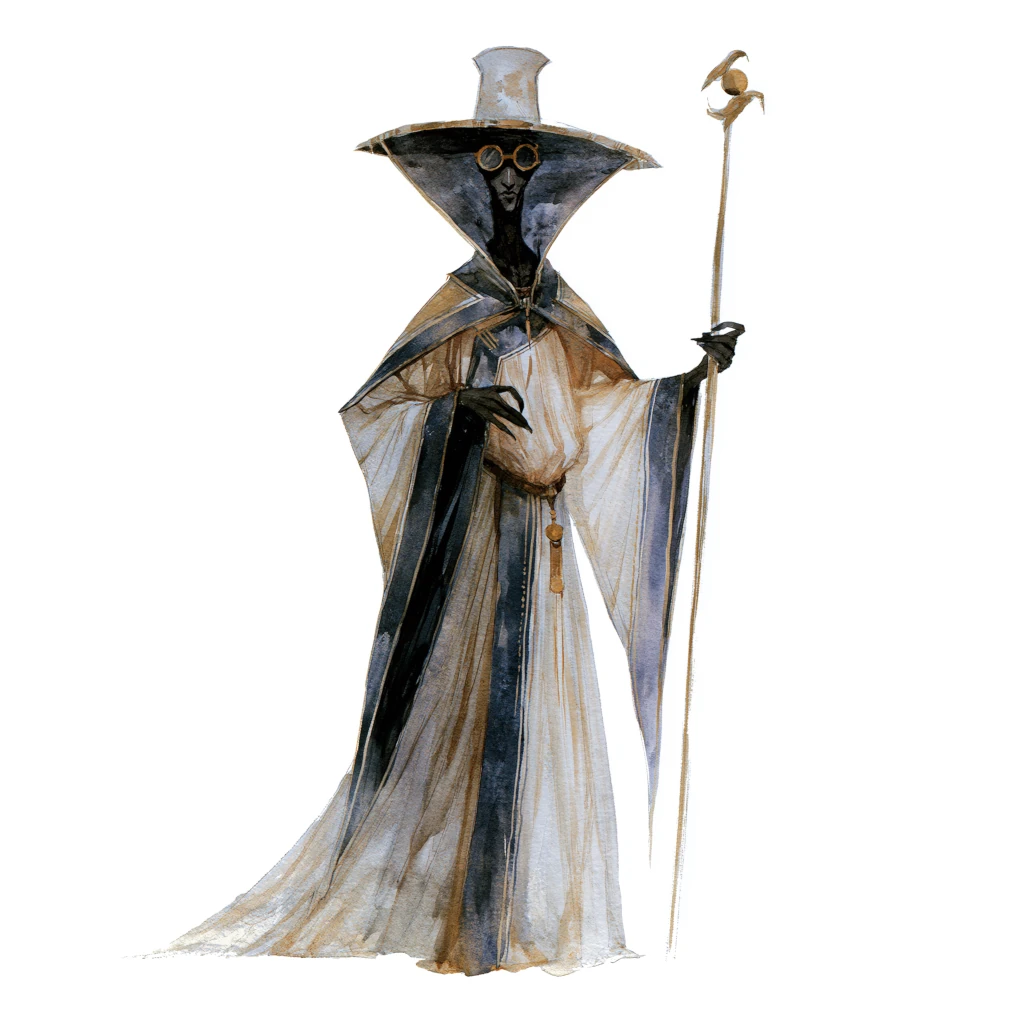
The gobinhu [go-BEE-noo] are a clan of nomadic ruvoka of the Plane of Dust. These cutters have learned to read the shifting dunes, endless dust storms, and subtle colours and textures of the dust as others read maps. They wear long, loose robes called deels, with high collars, sturdy boots, and multiple layers of strong fabric that shield them from the plane’s abrasive winds. While travelling, their faces are concealed beneath wide-brimmed hats fitted with trailing veils, while thick, dust-proof goggles protect their eyes from the perpetual grit. Among the gobinhu, removing one’s veil and showing one’s eyes to another person is an intimate gesture of trust. They travel in small migratory caravans, following the secret currents beneath the dunes and herding strange dust-beasts between their temporary camps. The most skilled member of a clan is a cutter called the dune-walker, who is able to predict elemental predict storms, locate buried water pockets or precious solid ground, and knows the ancient ways to strengthen dust into walls, providing fleeting shelter. Gobinhu philosophy teaches that all solid things are just waiting to return to dust once more. Rather than physical treasures, they value hospitality and memories—as the gobinhu saying goes: A wise traveller leaves no footprints, but carries the stories of every path they have followed.
He’moana
N | Medium | Elemental | Humanoid | Ruvoka | Water
- Skills: Diplomacy +9, Plane of Water Lore +10
- Resistances: water 5
- Speeds: swim 30 feet
- Melee: trident (thrown 20 feet) 1d8+6 piercing
- Ranged: harpoon (tethered, thrown 30 feet) 1d8+6 piercing
- Cantrips: deep breath, rousing splash, spout
- 1st: animal allies, hippocampus retreat, hydraulic push
- 2nd: sea surge, water breathing
- Additional damage: bludgeoning
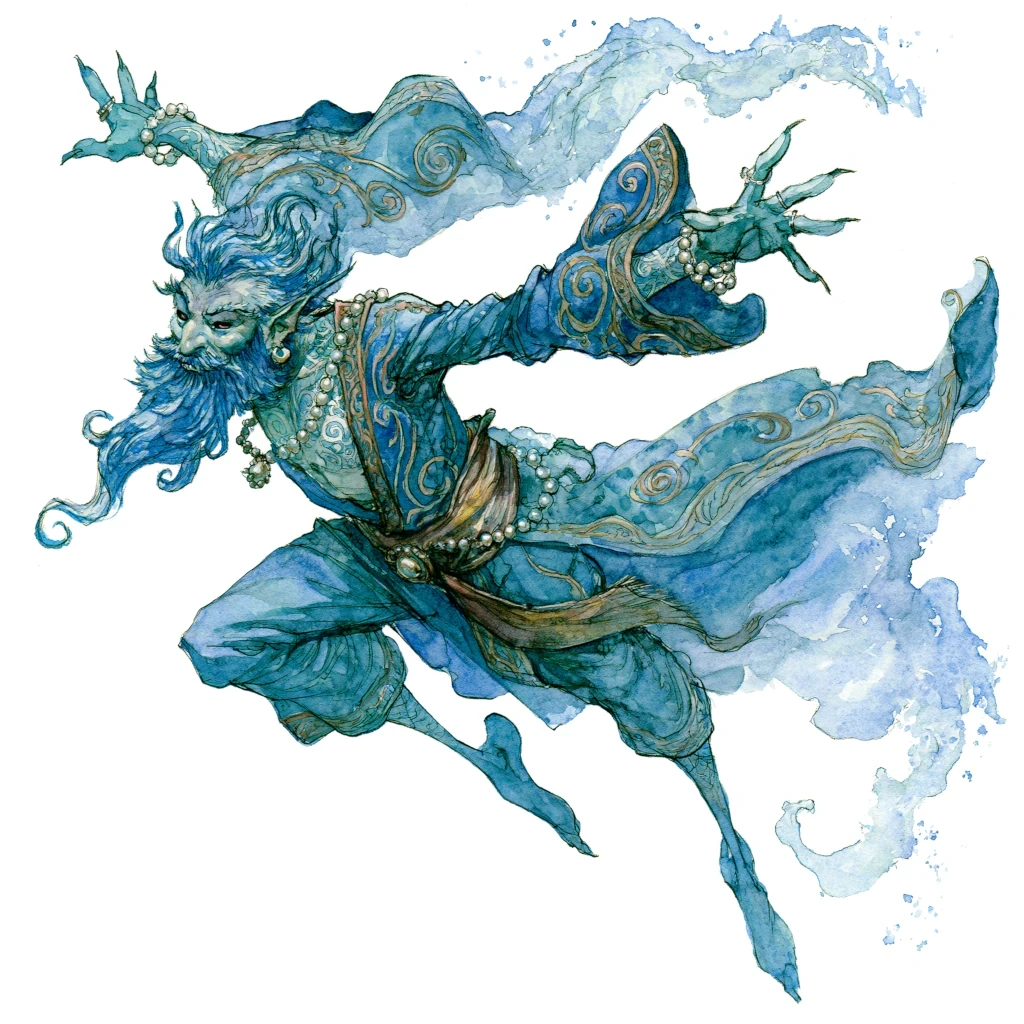
The he’moana [hay-mo-ARNA] tribe live as nomads in the Bay of Light of the Plane of Water. Armed with harpoons and watershaping magic they protect vulnerable (although hardly defenceless!) aquatic species, from brain corals to mighty aquatic dragons—while hunting down and exterminating invasive species like the stinging mashers. He’moana are one of the more social of the ruvoka tribes, and unusually they are steadfast allies of Elemental Good. That doesn’t mean they welcome outsiders unquestioningly, mind, but if your group contains a water genasi, a druid or a caster of primal magics then you’ll stand a better chance than most of being accepted.
Kaltori
N | Medium | Elemental | Fire | Humanoid | Ruvoka
- Skills: Driving Lore +10, Farming Lore +10, Plane of Fire Lore +10
- Resistances: immunity to fire, smoke vision, weakness 5 to cold
- Speeds: climb 15 feet, swim 15 feet
- Melee: ranseur (disarm, reach 10 feet) 1d10+6 piercing
- Ranged: atlatl (propulsive, range increment 60 feet, reload 1) 1d6+4 piercing
- Cantrips: ignition, illuminate, tame
- 1st: breathe fire, fear, fleet step
- 2nd: fireproof, floating flame
- Additional damage: fire
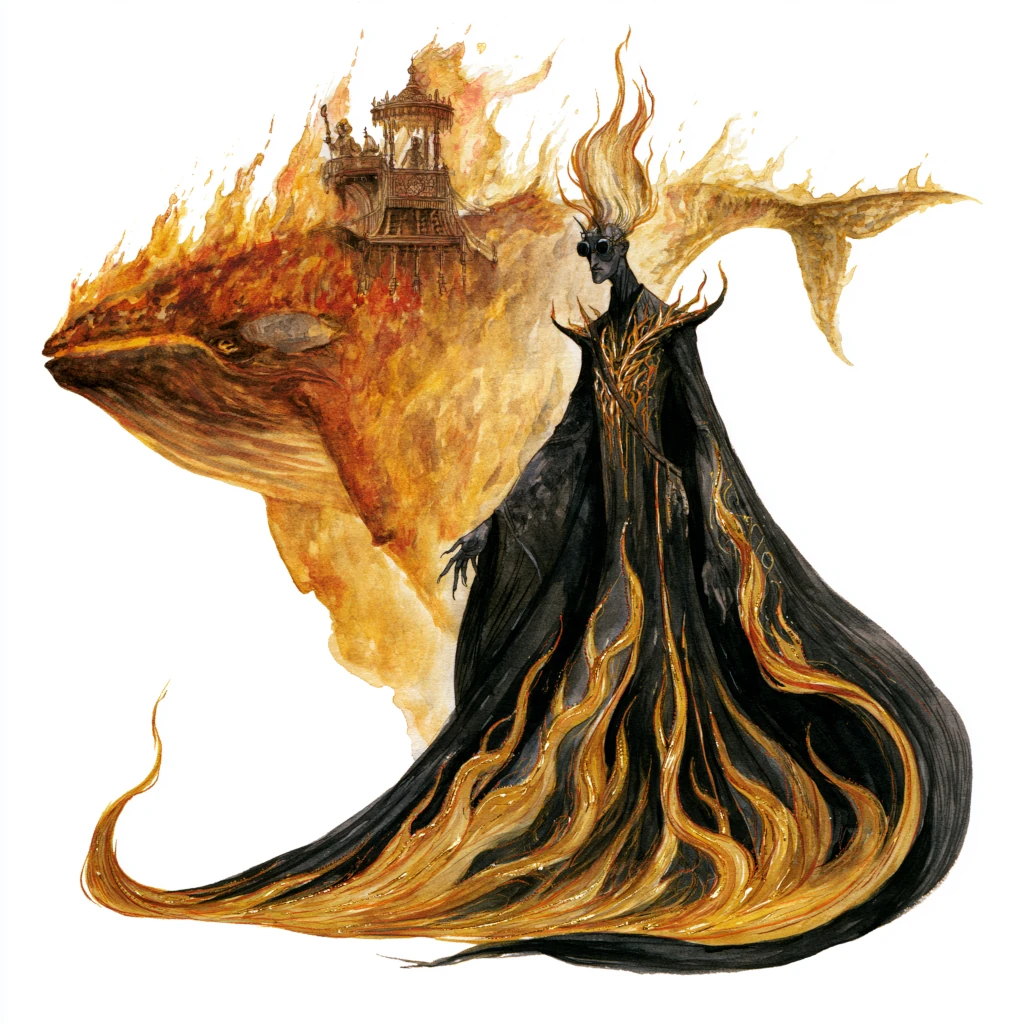
The kaltori [kal-TOR-ee] tribe is the most well-known tribe of ruvoka in the Plane of Fire. Kaltori build their homes around red gum trees which they spread and cultivate, and their nomadic communities travel with the fire whales. Some say that the kaltori tribe used to be two distinct tribes—one worshiped whales, the other, trees—but they were forced to merge to better combat efreeti and salamanders, who as always, wished to claim those treasures for themselves. Other uncontacted tribes of fire ruvoka are rumoured to exist in the Deep Fire, where they guard the mysterious and powerful phenomena which are found only there.
Lazuul
N | Medium | Earth | Elemental | Humanoid | Positive | Ruvoka
- Skills: Crafting (jewellery) +9, Plane of Mineral Lore +10
- Resistances: earth 5
- Speeds: burrow 15 feet, earth glide
- Melee: macahuitl (backswing, tearing, versatile b) 1d8+6 slashing plus 1 persistent bleed damage
- Ranged: shuriken (agile, thrown 20 feet) 1d4+6 piercing
- Cantrips: detect metal, glamorize, glass shield
- 1st: alarm, charm, shattering gem
- 2nd: exploding earth, pave ground
- Additional damage: slashing
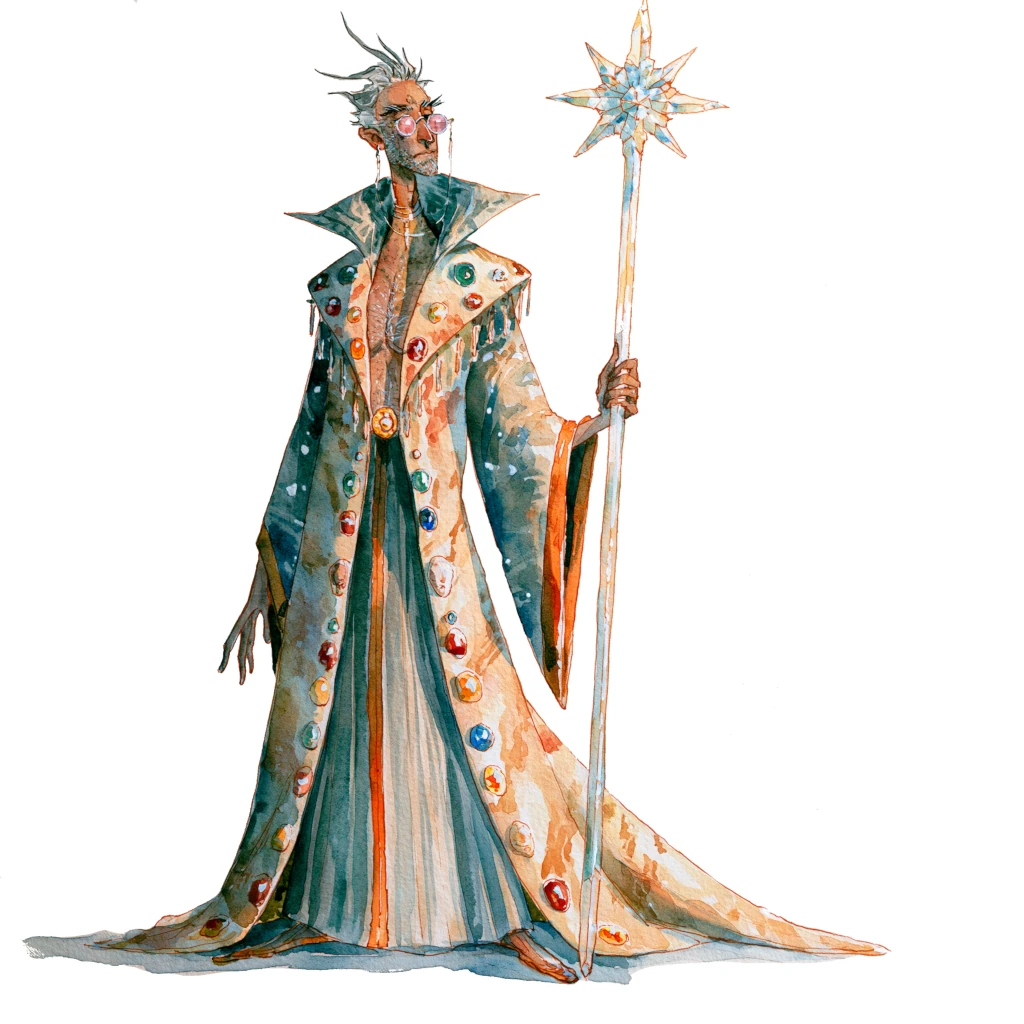
The lazuul [lazz-OOL] are a ruvoka tribe of the Plane of Mineral, a proud folk whose traditional love of ornaments and jewellery is shown in the garments they lavishly embroider with turquoise, carnelian, garnet, quartz, and tiger’s eye. Their brilliant robes shimmer like exposed gemstone seams. Each one records an achievement, an ancestor, or a journey through the plane’s breathtaking crystalline caverns. The oldest lazuul wear so many gems that their clothing glitters and tinkles softly as they walk. The favoured weapon of the lazuul is the broad, slashing macuahuitl, carved from quartz crystal and fitted with serrated edges of razor-sharp obsidian. The highest among them are known as gem-seekers, and are able to commune with the rocks themselves, sense ioun stones, and know how to use all of the magical properties of crystals. Chant among planewalking miners claims that lazuul ruvoka know the secret ways to guide a basher through the Plane of Mineral and keep them out of the grasp of mineral quasielementals. They don’t support their aggression, see, and they would like to introduce some more life to the Treasury—or at least share in a fraction of its beauty. Of course, they also don’t approve of greedy thieves either, so you’ll have to convince them that whatever business you have on the Plane would not involve you taking a single gem home for yourself.
Löylyari
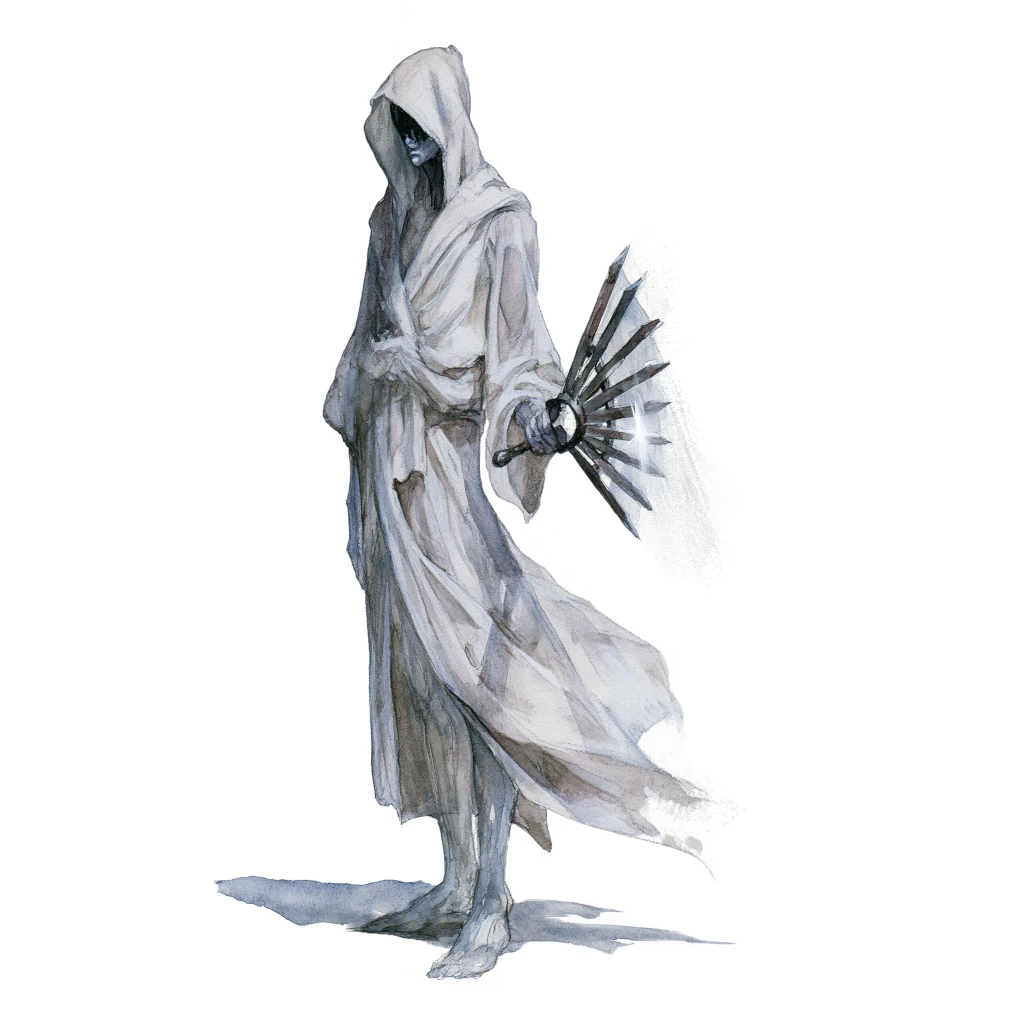
N | Medium | Elemental | Humanoid | Positive | Ruvoka | Water
- Skills: Medicine +9, Plane of Steam Lore +10, Stealth +9
- Resistances: fire 5, water 5
- Speeds: fly 25 feet, swim 15 feet
- Melee: fighting fan (agile, backstabber, deadly D6, finesse)
- Ranged: aklys (ranged trip, tethered, thrown 20 feet, trip) 1d6+6 bludgeoning
- Cantrips: gale blast, rousing splash, spout
- 1st: aqueous blast, glowing trail, threefold limb
- 2nd: blast of the bellows, breath of drought
- Additional damage: steam (treat as both water and fire for purposes of determining weaknesses)
The löylyari [lur-yal-YARI] are a tribe of ascetic rukova of the Plane of Steam. They dwell in the humid climes around the Boiling Springs region of the plane, where geysers of superheated steam blast with a frequency you could tell the time by. In these sultry lands they have dedicated themselves to purging, purification, and prayer. Löylyari are tall and slender, have pale, almost translucent skin, wear loose-fitting light hooded robes. Chant goes that when they meditate in a boiling spring, a löylyari brocken-caller is able to see the faces of ancestors that appear within the mists, and consult them in divinatory rituals for advice and prophecy. The sweat lodges of these monk-like ruvoka are renowned across the planes as being temples of wellbeing. Indeed, uniquely among ruvkova the löylyari are worshippers of a power beyond the elements themselves—the Aztec goddess of medicine, Temazcalteci. Being allowed to train in a löylyari sweat lodge is one of the highest honours for members of the Transcendent Order, and many factioneers make the pilgrimage here each year, only for most of them to be turned away, as the ruvoka are extremely selective and have standards that are hard to meet. Speaking of pilgrimages, steam-speakers have been seen in the Elemental Chaos searching for remnants of the former plane of Steam.
Maltha
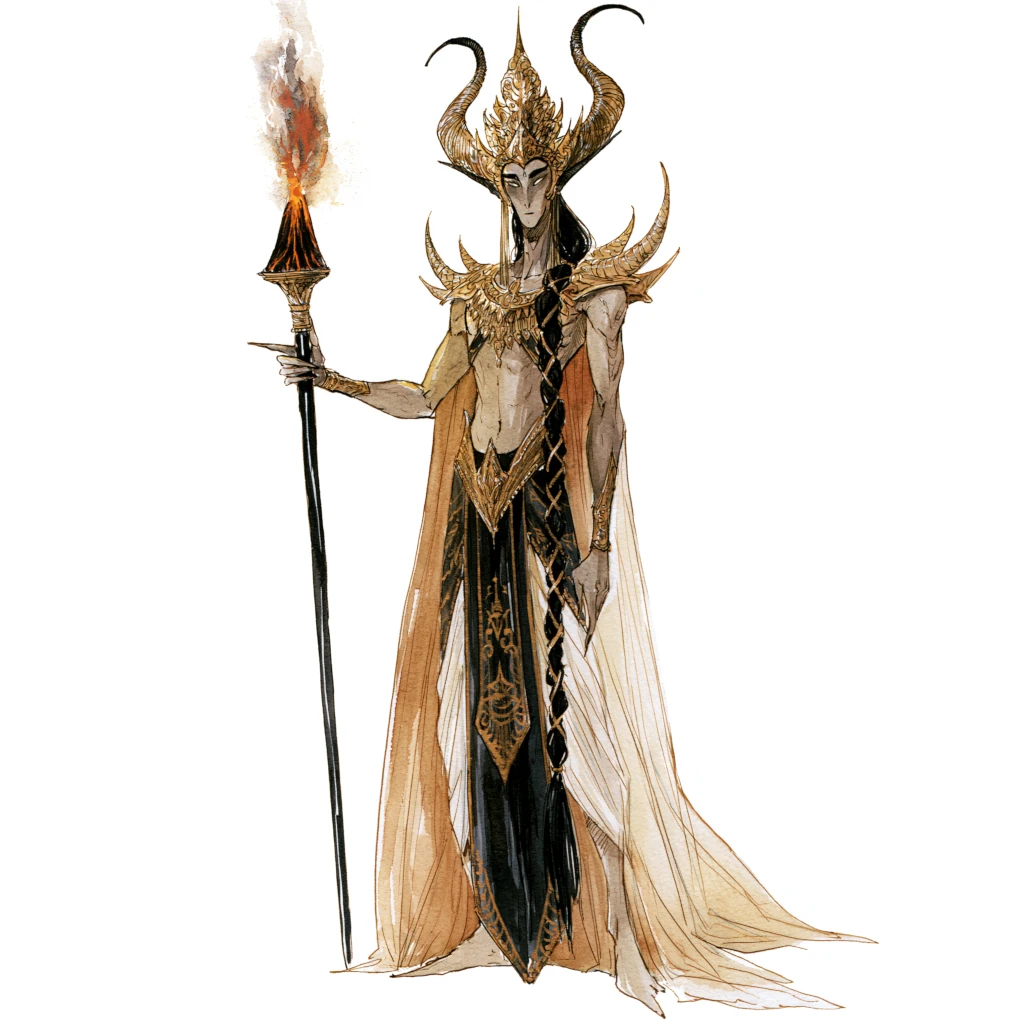
N | Medium | Earth | Elemental | Fire | Humanoid | Ruvoka
- Skills: Intimidation +9, Plane of Magma Lore +10
- Resistances: earth 5, immunity to fire, weakness 5 to cold
- Speeds: burrow 5 feet, swim 20 feet (in magma only)
- Melee: glaive (deadly d8, forceful, reach 10 feet) 1d8+6 slashing
- Ranged: blunderbuss (concussive, magical, range increment 40 feet, reload 1, scatter 10 feet) 1d8+4 fire
- Cantrips: glass shield, ignition, puff of poison
- 1st: forge, interposing earth, noxious vapours
- 2nd: heat metal, sticky fire
- Additional damage: fire
The maltha [MAL-tha] are a ruvoka tribe of Plane of Magma from the Obsidian Forest region, which is a surreal expanse of black glass trees. They are a brooding, ritualistic people who wear flowing robes of heat-resistant fibre dyed in deep reds, blacks, and golds, patterned with batik designs that evoke flowing lava. Over these they drape shawls woven with obsidian beads threaded onto copper wire, in patterns which serve as spell books or historical treatises. The maltha are caretakers of lava azhdarchids—great, long-necked pterosaurs whose nest in lava tubes and roost upon obsidian spires. The maltha believe each azhdarchid carries the soul of an ancestor who is too angry to solidify. A few rare maltha can even ride these beasts, the bond between them sealed in a ritual where the maltha endures the flame ray of the azhdarchid and then only once the creature is exhausted, climbs atop them to claim them. The maltha who are not brave (or foolish) enough to become riders instead tend to gem trees, slow-growing living crystals that rise from pools of eternally molten rock. Over centuries, droplets of lava cool upon their ‘trunks’ into facets of ruby, carnelian, and strange minerals unknown elsewhere. Thieves are warned that these cutters are far from passive farmers though, for they are known for a defensive ritual called the Eruption, where an entire tribe will don lacquered masks and enter a state of collective rage in which they chant oaths until the air shimmers and stamp their feet until the ground trembles. Their gem orchards lie not far from the Monolith of the Sleeping Ones, a 90-foot-tall black slab that stands unharmed amid rivers of liquid fire. It is thought to be a relic of ancient entities who preceded the gods and now sleep locked deep inside of the Plane of Ice. The maltha call the Monolith the Lake Unmelted, and their highest priest Tephraticus (maltha ruvoka cleric [he/him] / N) claims it hums in a frequency that only he, the azhdarchids and barmies can hear. He believes the Sleeping Ones will awaken the apocalyptic day the Monolith finally melts, climb out of the liquid and drink all of the multiverse’s heat back into themselves.
Mazuku
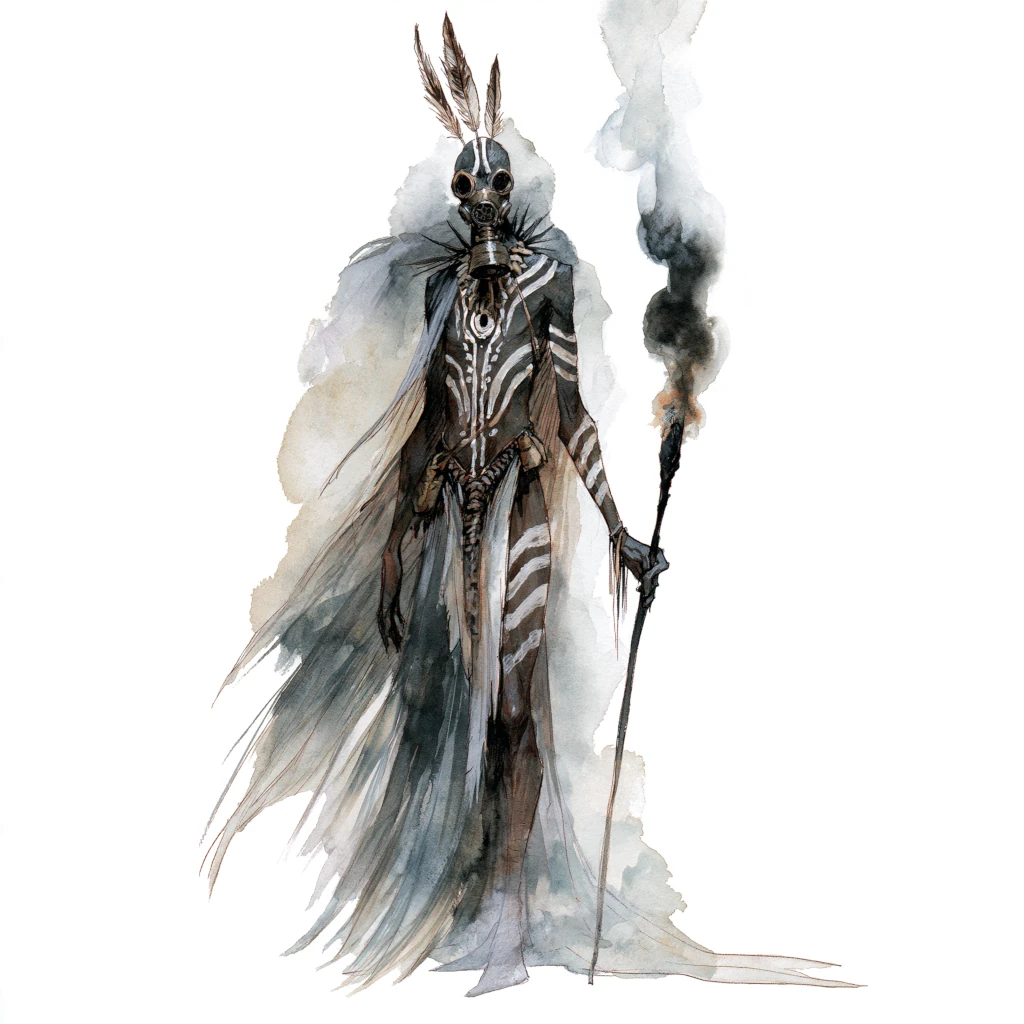
N | Medium | Air | Elemental | Fire | Humanoid | Ruvoka
- Skills: Deception +9, Plane of Smoke Lore +10, Stealth +9
- Resistances: fire 5, immunity to poison, weakness 5 to air
- Speeds: fly 20 feet
- Melee: hook (grapple, reach 10 feet) 1d10+6 piercing
- Ranged: musket (concussive, fatal d10, range increment 70 feet) 1d6+4 piercing
- Cantrips: eat fire, ignition, puff of poison
- 1st: cinder scribe, gust of wind, noxious vapours
- 2nd: ash cloud, cleanse air
- Additional damage: poison
The best known ruvoka tribe of the Plane of Smoke are the mazuku [ma-ZOO-koo], a people shaped by the ash-choked skies and drifting embers. They wear heat-resistant fabrics of dark grey and charcoal colours, often adorned with bone, patterns painted in white ash, and gemstones of polished obsidian. Over their faces they wear well-sealed gasmasks carved from blackened wood and fitted with glass lenses. These are treated as ritual objects but also practical protections, for the mazuku believe that to breathe the unfiltered smoke is to invite ancestral spirits into one’s lungs. To the mazuku, the smoke of the plane itself is a tool—they farm the perpetually smouldering fields of the plane by setting the crops alight to ripen the embercherries and charcorn—but also a sacred medium. Mazuku use smoke for sending messages, in smoking ceremonies where rare herbs and exotic spices are burned and inhaled, and as incense in religious rituals to purify their homes and temples, and guide the dead. Every smoke plume carries a message to the Dreamlands, and the mazuku capnomancers can read the shapes and eddies in the fumes to answer questions and predict the future. The mazuku share their smouldering world with great smog leviathans—whale-like beings of living soot and superheated air that glide through the dense smoke banks as if they are swimming through water. Their bodies trail sparks and their calls reverberate like distant muffled thunder. These creatures are both hunted and revered by the mazuku: their rendered weightless fat fuels lamps that smoke without fire, their bones are carved into incredibly agile spears and arrowheads, and their migrations patterns are interpreted as omens.
Unlike most of the ruvoka tribes who live in relative harmony on their respective planes, the mazuku are a tribe at war. Efreet armies are currently sweeping across the barren smokefields, seeking to conquer and dominate the plane. While the makuku have neither the numbers nor the might, they wage a constant guerrilla war against the efreet using smoke as their weapon—laying false trails with coloured smoke, creating thick smoke screens to hide their numbers and strike by surprise, hitting the efreet hard with barrages of musket fire and poisoned gas before melting back into the miasma.
Onibi
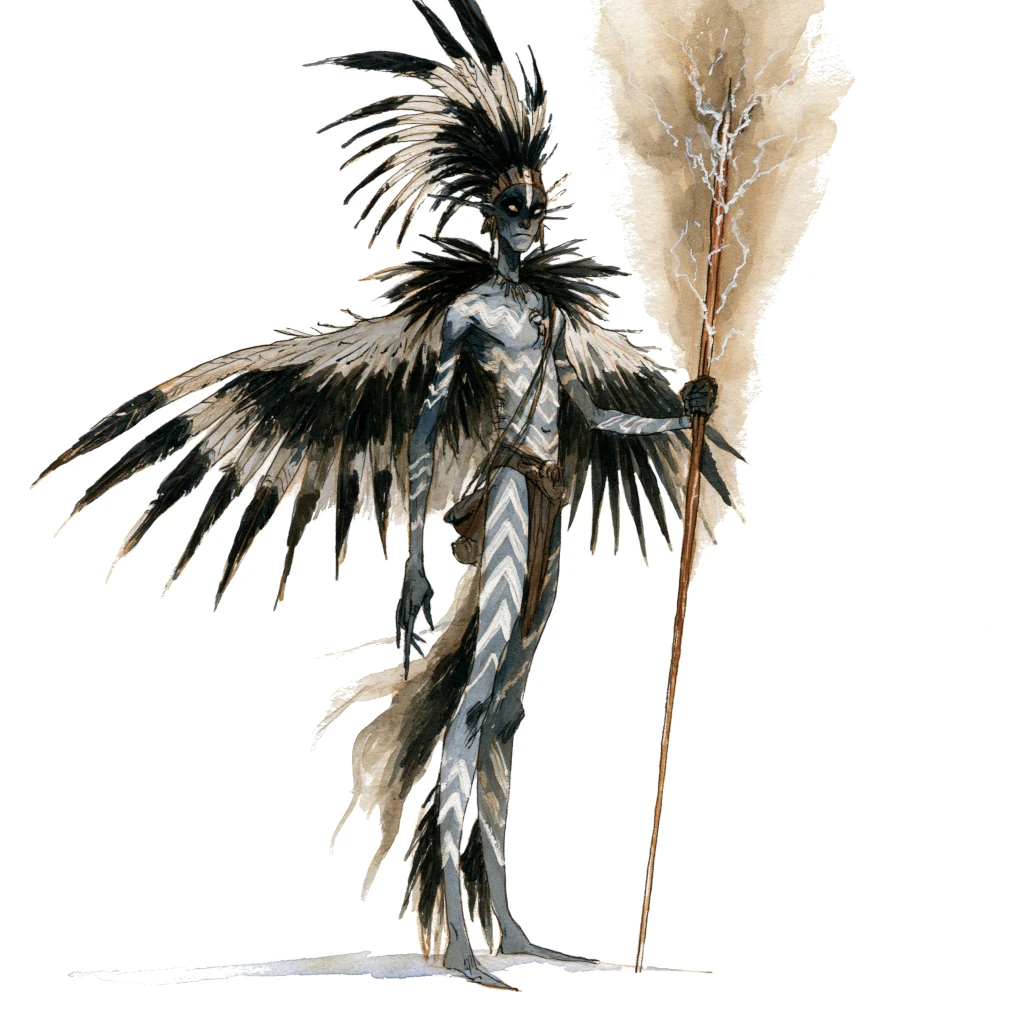
N | Medium | Air | Elemental | Humanoid | Positive | Ruvoka
- Skills: Intimidation +9, Plane of Lightning Lore +10
- Resistances: air 5, sonic 5, immunity to electricity
- Speeds: fly 30 feet
- Melee: meteor hammer (backswing, disarm, reach 10 feet, trip) 1d8+6 bludgeoning
- Ranged: boomerang (magical, recovery, thrown 60 feet) 1d6+6 bludgeoning plus 1d4 sonic
- Cantrips: detect metal, electric arc, slashing gust
- 1st: conductive weapon, horizon thunder sphere, thunderstrike
- 2nd: mist, thunder echo
- Additional damage: electricity
The onibi [on-IBBY] are a ruvoka tribe of the Plane of Lightning. More religious than most of the ruvoka, these cutters have devoted themselves to worship of Guatauba, the lightning power of the Taíno pantheon. The ceraunomancers of the onibi believe that every flash of lightning or rumble of thunder is a direct message from the gods—and you’d better believe that on the Plane of Lighting they are kept very busy indeed interpreting them all.
Onibi settlements in Lightning are mostly machine and very little building. Giant structures forged from soot-black iron, these flying fortresses look more like enormous bird-cages than castles. Visitors and locals are able to fly in and out of the gaps between the bars, because the ‘walls’ are there to keep out the stray lighting bolts rather than creatures. The electrical explosions of the plane are harmlessly channelled through the metal and into magical devices at the top and bottom of the structure which convert lightning into heat, light and water—providing everything a ruvoka tribe needs in a plane as barren as this one. Quite where these lightning engines came from in the first place isn’t clear, because they seem like something from Mechanus rather than the Inner Planes. Indeed, the ruvoka do not have the ability build more of them, but are experts at maintaining and patching up the flying citadels they do have.
Ramoka
N | Medium | Elemental | Humanoid | Positive | Ruvoka | Water
- Skills: Stealth +9, Plane of Steam Lore +10
- Resistances: water 5
- Speeds: fly 25 feet, swim 15 feet
- Melee: kalis (deadly d8, versatile P) 1d8+6 slashing
- Ranged: blowgun (agile, nonlethal, range increment 20 feet) 5 piercing plus fermented feggis poison (ruvoka wears three doses) [Fermented Feggis (poison) Saving Throw DC 19 Fortitude Maximum Duration 6 rounds; Stage 1 1d6 poison damage and enfeebled 1 (1 round); Stage 2 as stage 1; Stage 3 1d6 poison damage and enfeebled 2 (1 round)]
- Cantrips: know the way, light, puff of poison
- 1st: chilling spray, gust of wind, threefold limb
- 2nd: mist, mist sight
- Additional damage: poison
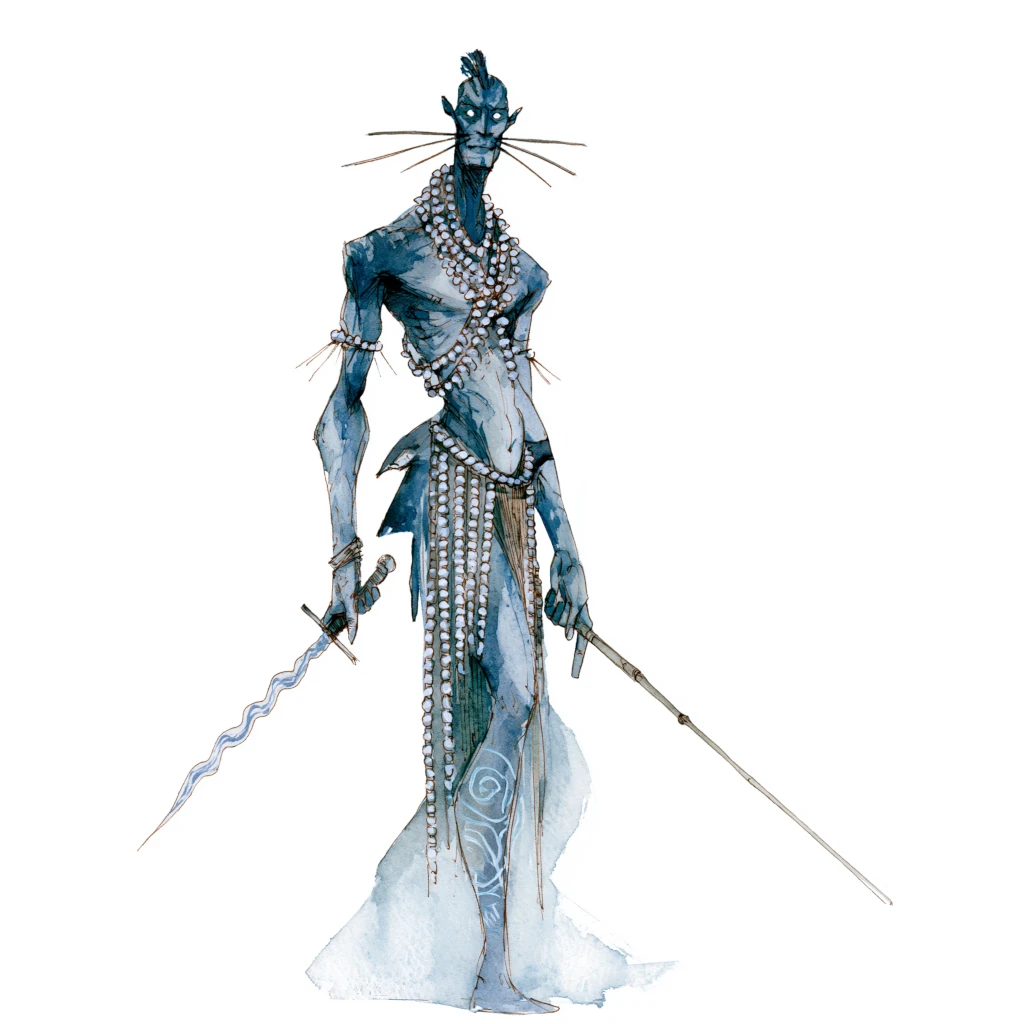
The ramoka [ram-OKKER] are the ruvoka of the plane of Steam, a people shaped by cloud forests, sacred mists, and the liminal space between sea and sky. The ramoka live in suspended villages woven from living vines and fungal lattices that cling to the sides of the towering thermal vents that spew steam eternally. Ramoka wear little in the way of clothing, mainly moisture-resistant loincloths woven from cloudvine. Tall and slender, their blue-grey skin means they can blend easily into cloud cover and their large feet allow them to spread their minimal weight widely enough to walk in mist as if they are flying. Ramoka adorn their bodies with pearls, bones, and polished steam-glass. They sport facial piercings of hollow tubes that look like whiskers, and allow them to breath silently when hidden. Ramoka are also the plane of Steam’s most feared assassins, slipping through the fog with silent steps and striking unseen from within the clouds. They were the first to master the cultivation of feggis, strange mushroom-like organisms that thrive in the humid, mineral-rich steam; by fermenting feggis in sealed clay jars, they extract toxins they can apply to darts, blades, and even the edges of ceremonial fans. A ramoka who has taken a life with feggis poison is said to carry the victim’s breath within their own lungs until a cleansing rite releases it. In battle, they use the steam itself as both weapon and shield, calling chilling clouds to harm foes, or transforming one of their limbs into liquid or steam. The ramoka treat the Deep Steam as a source of oracular divination. The manteia of the ramoka are called Mist-Readers, and they spend years learning how to induce a trance and then perform hydromancy to interpret the language of clouds, reading the patterns of condensation on a cold mirror, gazing into the vapours and allowing visions to emerge.
Sartarin
N | Medium | Elemental | Fire | Humanoid | Negative | Ruvoka
- Skills: Driving Lore +9, Plane of Ash Lore +10
- Resistances: cold 5, fire 5
- Speeds: burrow 15 feet
- Melee: bladed scarf (disarm, finesse, reach 10 feet, sweep, trip) 1d6+6 slashing
- Ranged: sukgung (fatal aim d12, range increment 200 feet) 1d8+4 piercing
- Cantrips: eat fire, frostbite, illuminate
- 1st: chilling spray, decompose, fear
- 2nd: ash cloud, feast of ashes
- Additional damage: cold
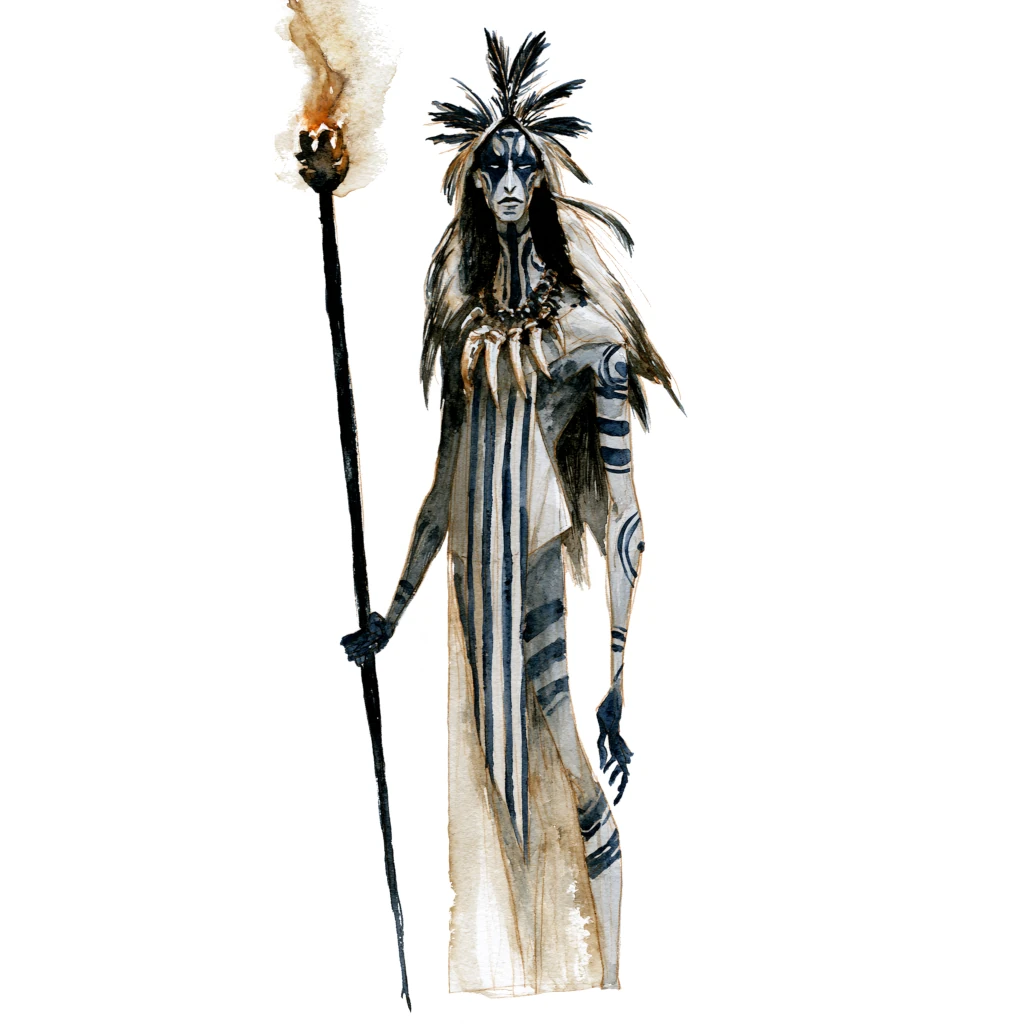
The sartarin [sar-TAR-in] tribe is the most well-known tribe in the Ash. They are, like other ruvoka, mysterious, and they appear to be protecting certain important places and/or beings. Sartarin are nomadic, travelling from place to place through the ash as if searching for something. Is it food? Water? Probably not; these cutter use magic to fulfil such basic needs. But what is really is they’re looking for, nobody’s talking. Most sartarin tribes travel by foot or on the backs of well-trained ash alligators. However there are a few clans who own ash ships, and these bloods travel in style through the wastes in their sealed vessels.
Tokama
N | Medium | Elemental | Fire | Humanoid | Positive | Ruvoka
- Skills: Performance +9, Plane of Radiance Lore +10
- Resistances: light 5, immunity to fire, weakness 5 to cold
- Speeds: fly 20 feet
- Melee: sword cane (agile, concealable, finesse) 1d6+6 piercing, concealed inside their umbrella
- Ranged: dart umbrella (agile, concealable nonlethal, range increment 30 feet) 1 piercing + Leadenleg poison (ruvoka wears 3 doses) [Leadenleg (poison) Saving Throw DC 20 Fortitude Maximum Duration 6 rounds; Stage 1 1d10 poison damage and –5 foot status penalty to all Speeds (1 round); Stage 2 2d6 poison damage and –10 foot status penalty to all Speed; Stage 3 2d6 poison damage –20 foot status penalty to all Speeds (1 round)].
- Cantrips: light, prestidigitation, vitality lash
- 1st: charm, heal, sacred beasts (summons varisoh)
- 2nd: blazing bolt, disorienting flash, fear the sun
- Additional damage: fire
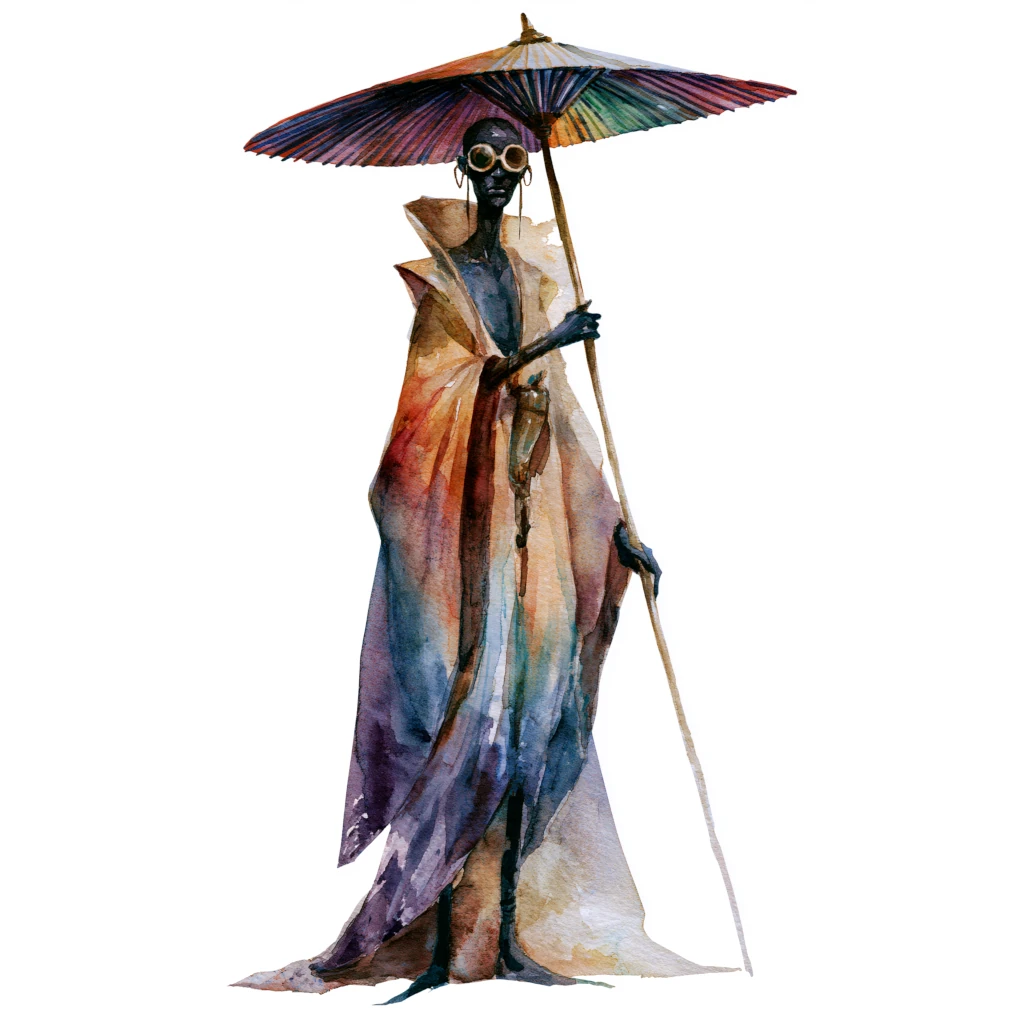
The tokama [tok-AR-muh] are a ruvoka clan of the Plane of Radiance, an elegant and deceptively deadly people who’ve learned to use the beautiful but blinding light of the plane in their art, and as weapons. Tokama are master crafters of glasswork, although it is not the prisms that interest them but the light they can split with them. They are master lens-grinders, glass-cutters and light-painters, crafting murals of dazzling light so convincing that they can project illusionary images in three dimensions—without the use of magic. They are able to create spectacles to fix the eyesight of the elderly or the short sighted, craft the finest telescopes to peer into the depths of the Astral or Wildspace, and capture and store light from sunbursts in crystalline lattices for later use. Tokama wear heavily tinted goggles when on their home plane, for they know the dangers of staring into the light only too well. Because unfiltered light can burn or blind, every tokama carries an ornate parasol at all times. Woven from light-refracting spider silk, these items scatter dangerous radiances into harmless motes. Within the pole of such umbrellas, tokama tend to conceal slender weapons like rapiers, or turn the hollow tubes into blow guns. Darts are usually coated with leadenleg poison, which causes the limbs of victims to become heavy until paralysis sets in. Set into the umbrella handle are prisms and lenses of cut glass which can be used to dazzle or blind opponents. This fusion of high fashion and graceful combat makes tokama natural swashbuckers and illusionists (as they would claim) or assassins (as others might say). The most skilled tokama kaleidomancers traditionally become proxies of Ārohirohi, the Maori power of mirage.
Uublexa
N | Medium | Amphibious | Earth | Elemental | Humanoid | Ruvoka | Water
- Skills: Crafting (alchemical) +9, Medicine +9, Plane of Ooze Lore +10
- Resistances: acid 5, earth 5, water 5, weakness 5 to fire
- Speeds: swim 20 feet, ignores nonmagical difficult and greater difficult terrain from mud
- Melee: rake (disarm, reach, trip) 1d6+6 piercing
- Ranged: acid flask, lesser (acid, alchemical, bomb, consumable, splash) 1 acid + 1d6 persistent acid + 1 acid splash damage
- Cantrips: caustic blast, create earthen facsimile, healing plaster
- 1st: acidic burst, grease, mud pit
- 2nd: acid grip, vomit swarm
- Additional damage: acid
The uublexa [OO-ub-leck-sa] are ruvoka of the Plane of Ooze. They are a patient, savvy people who have mastered a blend of alchemy and primal magic. Uublexa seek out rare chemicals from bitumen springs and bubbling mud pits, and cultivate biofilms and algae beds to grow food. While it might sound disgusting, the ability of uublexa to being out savoury delicious flavours from—frankly—actual slime, is incrediblex. Uublexa build their settlements on raised mounds of semi-solid mud and surround them with defensive moats of living ooze. Within, they cultivate strange alchemical gardens, grow fungus and distill water from the mud. These ruvoka live in symbiosis with the sentient oozes of the plane, who seem to regard their humanoids not as prey but caretakers, even kin. Uublexa keep domesticated oozes as pets, helpers, or guardians, depending upon their level of intelligence and temperament. It turns out that by feeding them mineral broths and nutrient-rich alchemical residues, it’s possible to tame even the most bad-tempered gelatinous cube.
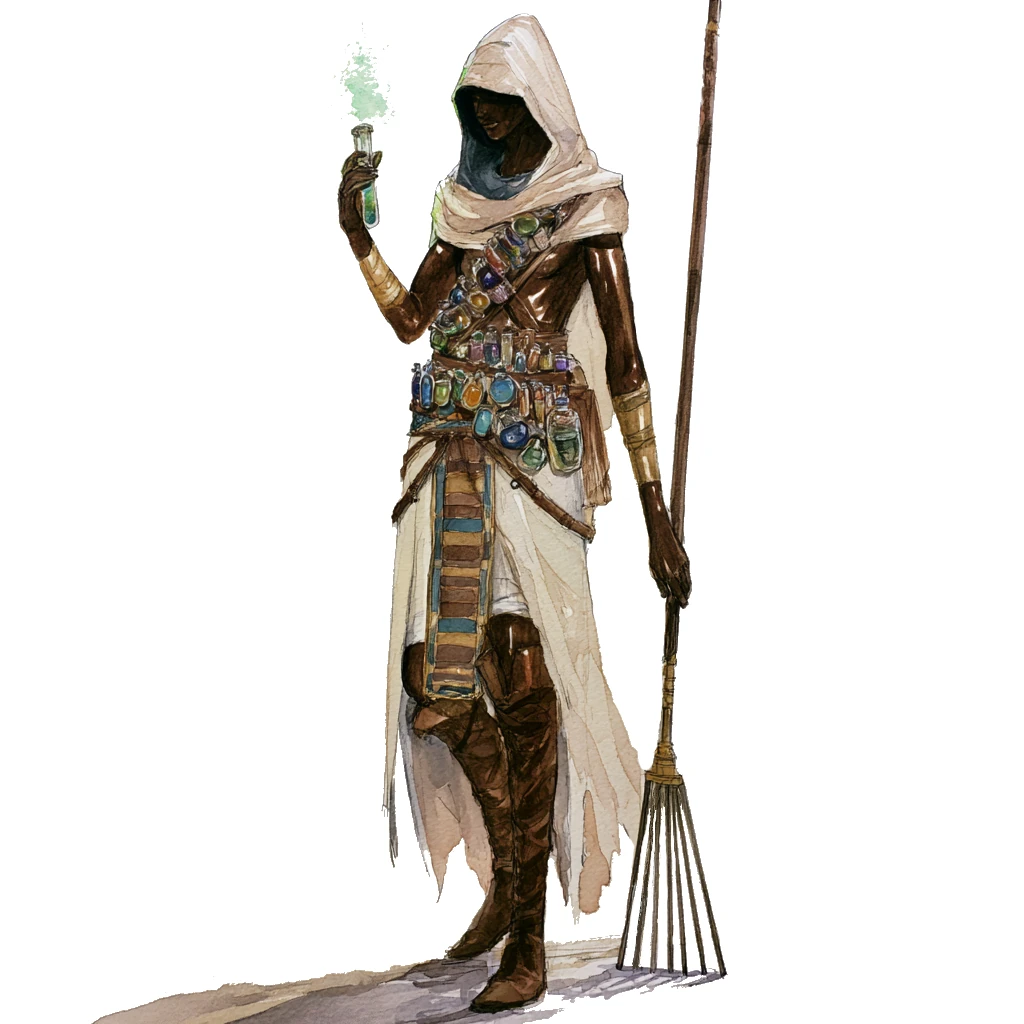
Uublexa artisans are held in high regard by alchemists across the planes. The pelomancer mud-waders are the manteia of the uublexa, and are able to divine omens from reading the cracking patterns in drying muds. But they are most renowned for crafting homunculus—those created by the uublexa are among the very finest in the multiverse. If threatened, uublexa will defend themselves with the same iron rakes they use for ooze-herding, long-handled tools with the ability to trip foes at a distance or scoop up more viscous creatures. It’s likely that they’ll have a slime or two to command too.
Vandesh
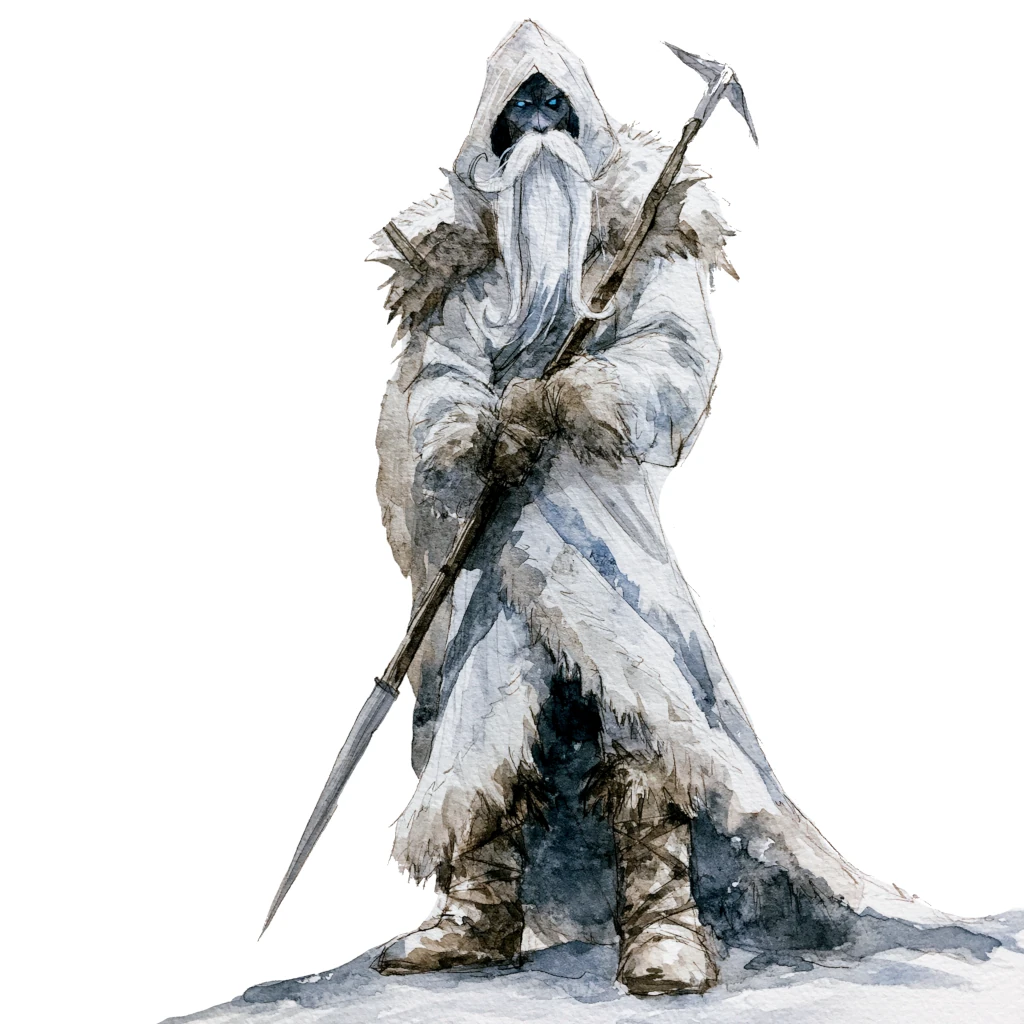
N | Medium | Air | Cold | Elemental | Humanoid | Ruvoka
- Skills: Diplomacy +9, Plane of Ice Lore +10
- Resistances: immunity to cold, weakness 5 to fire
- Speeds: burrow 10 feet (only through ice and snow), swim 20 feet
- Melee: pick (fatal d10) 1d6+6 piercing
- Ranged: snowflake knife (agile, deadly d6, finesse, magical, thrown 20 feet) 1d4+6 slashing plus 1d6 cold
- Cantrips: frostbite, light, slashing gust
- 1st: chilling spray, snowball, threefold limb
- 2nd: frozen lungs, glacial causeway
- Additional damage: cold damage
The vandesh [van-DESH] are a clan from Para-Elemental Ice. They are a resilient people, whose communal culture is based around hospitality to strangers—for they know that in the plane of endless frost, no one survives on their own. Their settlements are clusters of snow-tunnels linking ice-block houses called igluvijaq. Each vandesh community is centred around a large shared hearth-pit where oil fat-lamps burn with slow flames. The vandesh value storytelling, collective song, and the sharing of resources. A planewalker who arrives at a vandesh burg is never turned away, but is let in to warm up, given warm broth, dry furs, and a place by the fire. The vandesh believe that kindness shown to a stranger is kindness stored up for the day when they themselves are be the ones lost in the storm.
These ruvoka see themselves as guardians of the plane’s fragile balance, caught as they are between two gelid powers: the archomental prince Cryonax, a hulking simian tentacled beast who commands legions of ice elementals, and Albranthanilar, the (in her own words) greatest of rime dragons, who opposes Cryonax’s ambition to crystallise the forces of the plane around himself. While these two wage a glacially slow, grinding war, the vandesh work to protect both native creatures and visiting planewalkers from being crushed between their armies. They maintain ice cavern refuges, lay trail markers and carve deep runes in ice cliffs around their villages to help guide the lost to safe havens even in snowblinding conditions.
Vrksava
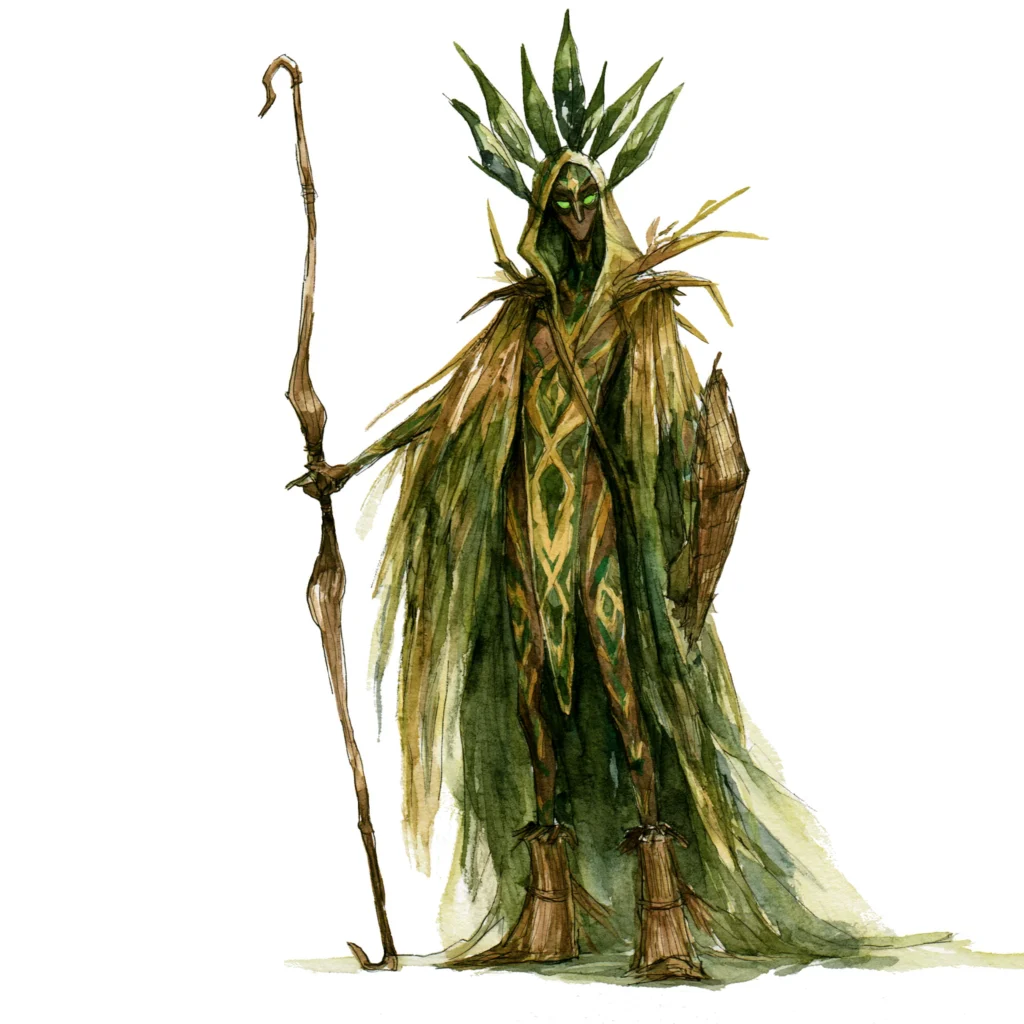
N | Medium | Elemental | Humanoid | Ruvoka | Wood
- Skills: Crafting (woodwork) +9, Plane of Wood Lore +10, Stealth +9
- Resistances: wood 5, weakness 5 to fire
- Speeds: climb 20 feet
- Melee: bow staff (melee) (finesse, parry, sweep) 1d6+6 bludgeoning
- Ranged: bow staff (ranged) (deadly d8) 1d6+4 piercing
- Cantrips: puff of poison, take root, tangle vine
- 1st: flourishing flora, protector tree, summon plant or fungus
- 2nd: oaken resilience, splinter volley
- Additional damage: poison
The vrksava [vrik-SAH-vuh] are ruvoka of the plane of Wood. Tall and slender with bark-green-brown skin, they wear clothing woven from leaves, plaited vines and grasses, with armour and shields carved from living hardwood. Their colours shift with the seasons; bright leaf-green vests in the spring, russet browns in autumn—meaning they can blend into the undergrowth with ease. Each vrksava community is based around a particular ancient tree or grove—usually a mundane tree but sometimes one that has been awakened to sentience. Vrksava revere their village trees as ancestors and protectors, shaping their branches and roots into ornate patterns and intricate structures.
Vrksava mythology is based on stories of tricksy fey, wise walking trees, and the dangers of cutting down the wrong grove. Their elders, called Root-Speakers, commune with ancient wood spirits, learning which trees remember which stories, and which roots have tasted blood. Experts in dendromancy, they can read the patterns of branch and bud to receive wisdom and fortel the future. The vrksava believe that every forest has a heart-tree, and that to harm it is to inflict a wound on the plane itself. To be vrksava is to be born from the forest’s soils, clothed by its leaves, and, in death, returned to its roots so that one’s story may be recorded in the rings of a new tree.
Wakna
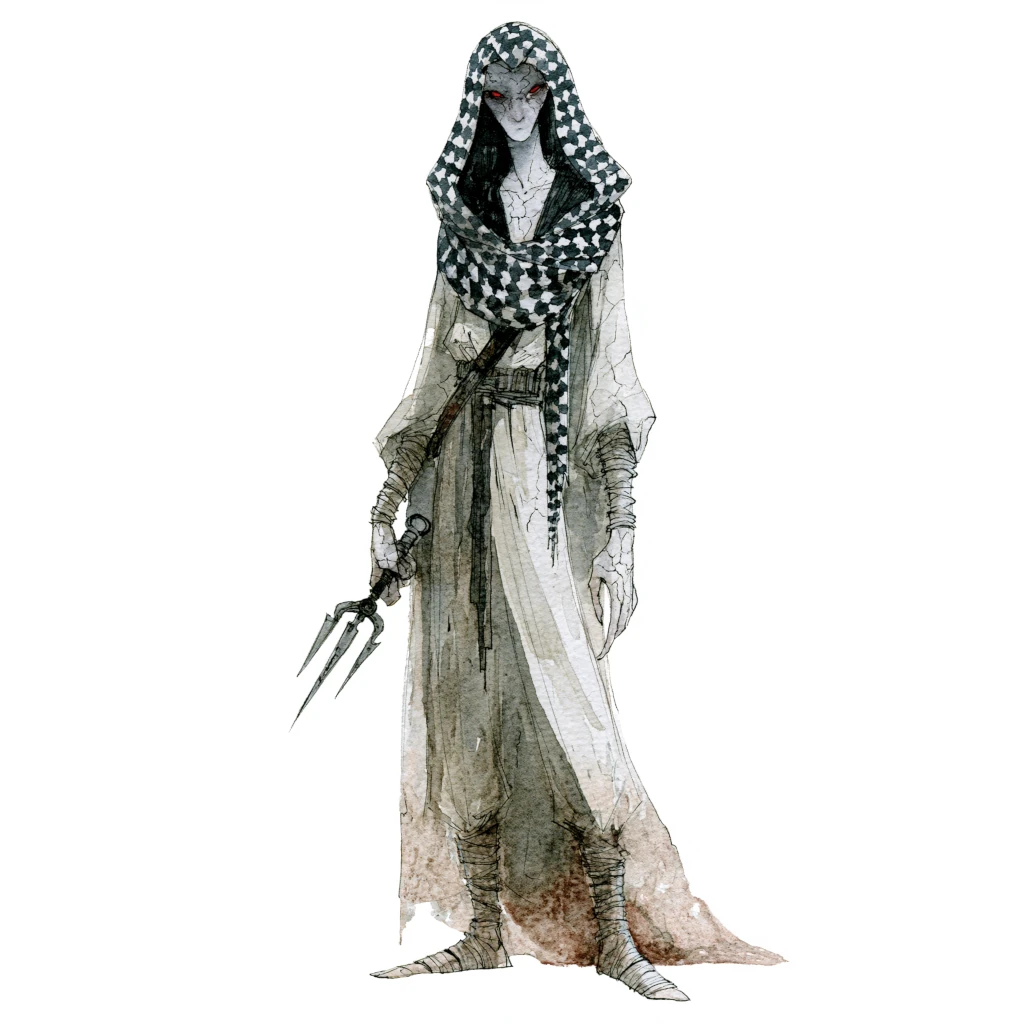
N | Medium | Elemental | Humanoid | Negative | Ruvoka | Water
- Skills: Intimidation +9, Plane of Salt Lore +10
- Resistances: void 5, immunity to dehydrating effects
- Speeds: burrow 15 feet, swim 15 feet
- Melee: sai (agile, disarm, finesse, magical, versatile b) 1d4+6 piercing plus 1d6 acid
- Ranged: throwing knife (agile, finesse, magical, thrown 20 feet) 1d4+6 piercing plus 1d6 persistent acid damage
- Cantrips: draw moisture, prestidigitation, stabilize
- 1st: briny bolt, dehydrate, shattering gem
- 2nd: brine dragon bile, sudden blight
- Additional damage: acid
The wakna are a clan of the plane of Salt, a sardonic, sharp-tongued people whose culture is obsessed with resilience and survival. Their settlements are clustered in the more arid region of the plane, carved from the rock salt and decorated with woven salt-resistant fibres. Everything is covered in a fine layer of white dust that irritates the eyes and lungs and glitters under any light. The wakna are notorious for their dry, acerbic humour: they greet strangers with jokes about thirst, and their proverbs are steeped in superstition. This humour acts as a social glue and also a defence: in a plane where moisture can be vital or treacherous, depending where it ends up, a battle of wits is a way of testing character without spilling blood.
Wakna life and religion revolves around the use of salt in magic, cooking, and curses. Salt-harvesting involves locating seams of the purest crystals to grind up and sell for use in abjuration rituals or summoning magic. Even finer grade salt can be used to ward off fiends, the wakna claim. The less pure stuff can be turned into a slurry with water—one of the most expensive commodities on the plane—and recrystallised into salt good enough to eat. The wakna also collect rare salts—blood-red halite, black bitumen-salt, luminescent brine-crystals—for an unknown purpose. Chant goes they are forging something called the Covenant Weapon designed to use in a future war against Tor Salinus, an archomental prince of salt whose vast crystalline citadels and salt-elemental legions dominate the plane.
Zathosi
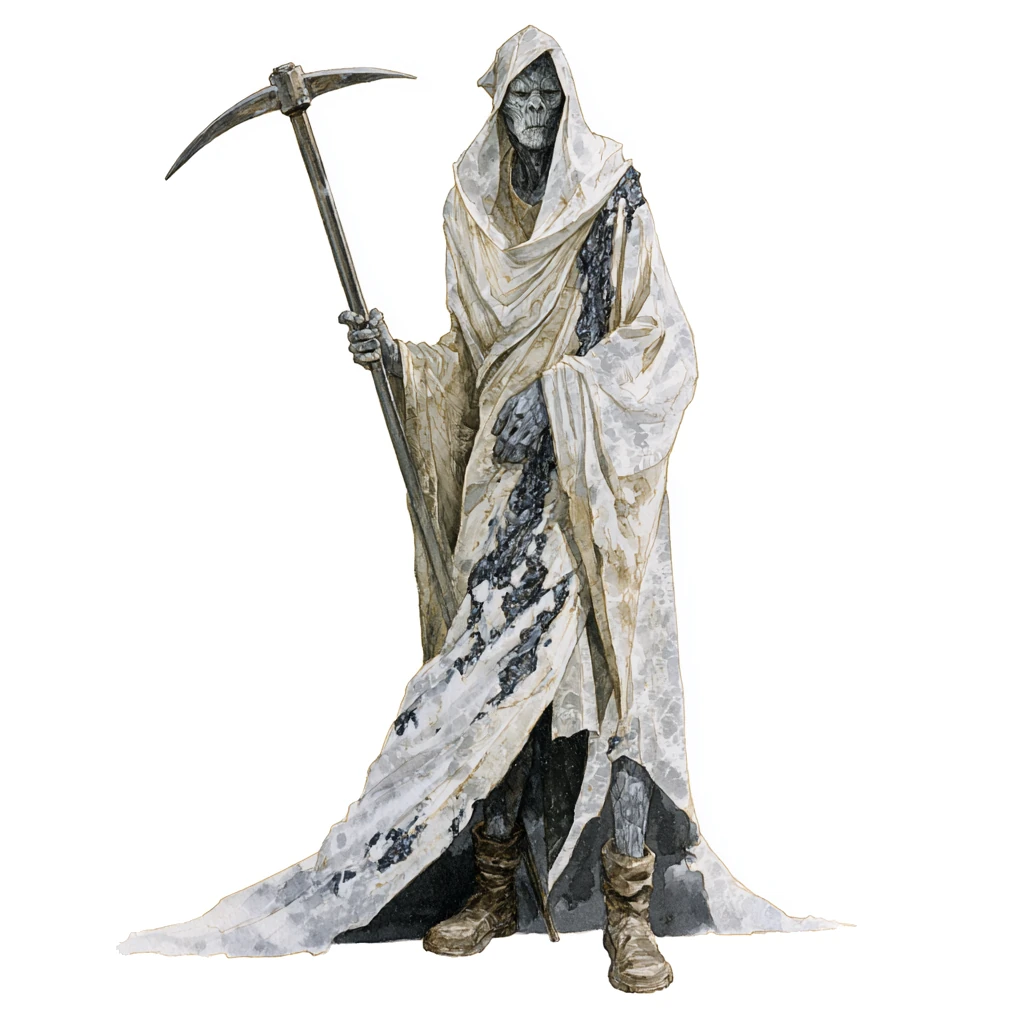
N | Medium | Earth | Elemental | Humanoid | Ruvoka
Zathosi are wrinkly-skinned humanoids who wear stone-coloured robes. They have made themselves indispensable to planewalkers—and deeply irritating to the plane’s native elementals. The zathosi are the great tunnel-makers of the Anvil, carving new passages, chambers, and ventilation shafts through solid rock so that life can exist at all in a realm that naturally resists empty space. To do this, they ally with everything that eats, bores, or dissolves stone: crysmals (crystalline scorpion-like beings that feed on gemstones and quartz), xorns (metal-eating tunnellers from Deep Earth), agrawghs (serpentine burrowers), and even chaggrin grues (shadowy, stone-devouring horrors), treating them as tools, guardians, and if they are well-behaved, occasional house-guests. Earth weirds loathe the Zathosi for this, seeing them as reckless meddlers who destabilise the strata and invite predators into their sacred depths. The Zathosi, in turn, regard the weirds as self-important gatekeepers who would rather hoard knowledge than let anyone breathe underground.
Zathosi society is secretive, pragmatic, and famously neutral about the consequences of their work. They do not ask what will live in the tunnels they carve—only that something can live there. If a newly opened cavern becomes the lair of a pack of crysmals, a xorn nest, or a chaggrin hunting ground, the zathosi shrug and move on. If planewalkers stumble into danger, that is the price of delving the Anvil. Their shamen, cutters they call Vein-Shapers, combine earth-magic with engineering, reinforcing faults, and seeding tunnels with mineral veins that can sustain stone-eating fauna. The zathosi believe that the plane of Earth was never meant to be a solid, crushing mass, but a living lattice of tunnels and caverns, like the rock of Prime worlds. They see their role is to keep that lattice open—even if it means angering weirds, and unleashing monsters.

Stats: [ D&D 2e ] Planescape Monstrous Compendium Vol. III
Source: Margarita and Jon Winter-Holt. Canonwatch: Several ruvoka clans are mentioned in PSMC3, although details were scant and have been expanded upon. Additional clans mentioned here are homebrew, as is much of the speculation on the origin and nature of the ruvoka. Suggesting all ruvoka are male was inspired by how the PSMC only mentions males but also serves to make them more mysterious and distinctive from other elemental humanoids. The spelling ‘ruvkova’ is used in the title on page 90 but the text throughout spells it rukova, so I suspect either the title was a typo or the spelling was changed in the editing process and the title got missed…
Perfection. I will be adding each and every one of them to my Pathfinder games. Just one question, are you considering adding Blossom, Bullion, Rot, and Rust Ruvoka to this? Considering you have the positive and negative for the other major planes, I was a little curious if you would have Metal and Wood follow.
Okay, so I’m not speaking for Jon, but I think that the Para- and Quasi-planes that border Metal and Wood aren’t true planes yet, but somewhere between “regions of Metal/Wood” and “demiplanes”. This doesn’t necessarily mean they can’t have their own tribes, of course! But we’d probably have to figure out the general lore of these border regions first
Margarita is right, I too see these planes as a sort of halfway house between regular elemental planes and demiplanes. Not least because making them ‘true’ planes would add five additional planes for each one. I was planning on keeping the quasi- and para- equivalents for Wood and Metal as a part of the Wood and Metal planes themselves, as if they are in the process of forming and could yet ‘bud off’ into full planes themselves… that way there’ll be a writeup and details for each area but it doesn’t clutter up the Inner Planes map so much (especially for Planescape purists who don’t want to incorporate them…)
In response to both of you, thank you! Those are all fair points, and honestly is a perfect balance since in Pathfinder as well, so thank you both again.