Incarnum Dragon
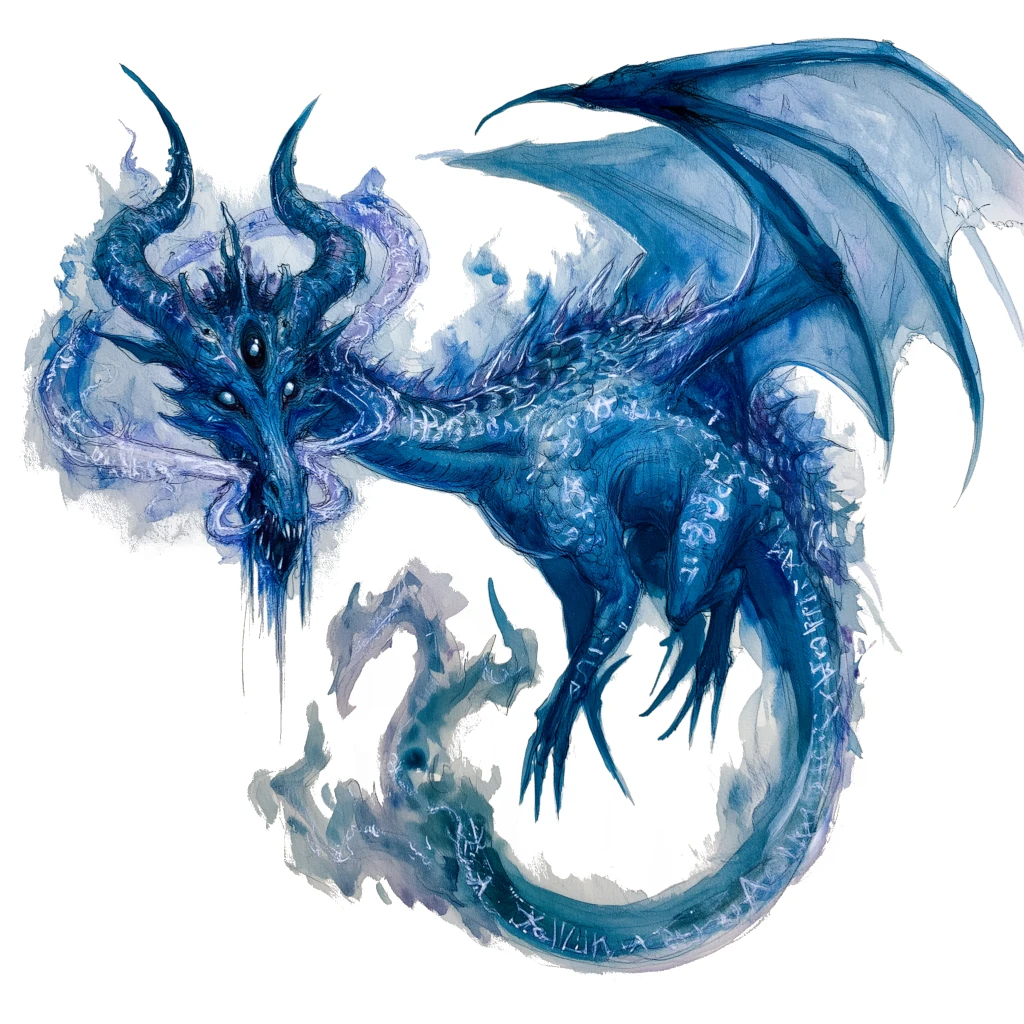
Incarnate dragon, Exemplar dragon
Rare | Large to Gargantuan | Divine | Dragon | CR 10 to 23
Alignment: Any except Neutral
Home Plane: Any / Unknown
Everyone knows belief is what makes reality here in the Outer Planes. But for most bashers this adage is purely philosophical. The ways in which minds and souls shape the Multiverse often remain so obscured as to be altogether unseen. However, for certain mystics the power of belief is very tangible. For example, take incarnum—a bluish magical substance that, according to the chant, is the a concentrated power of belief. This obscure magic is harnessed by few creatures, but none crave it as much as Incarnum Dragons.
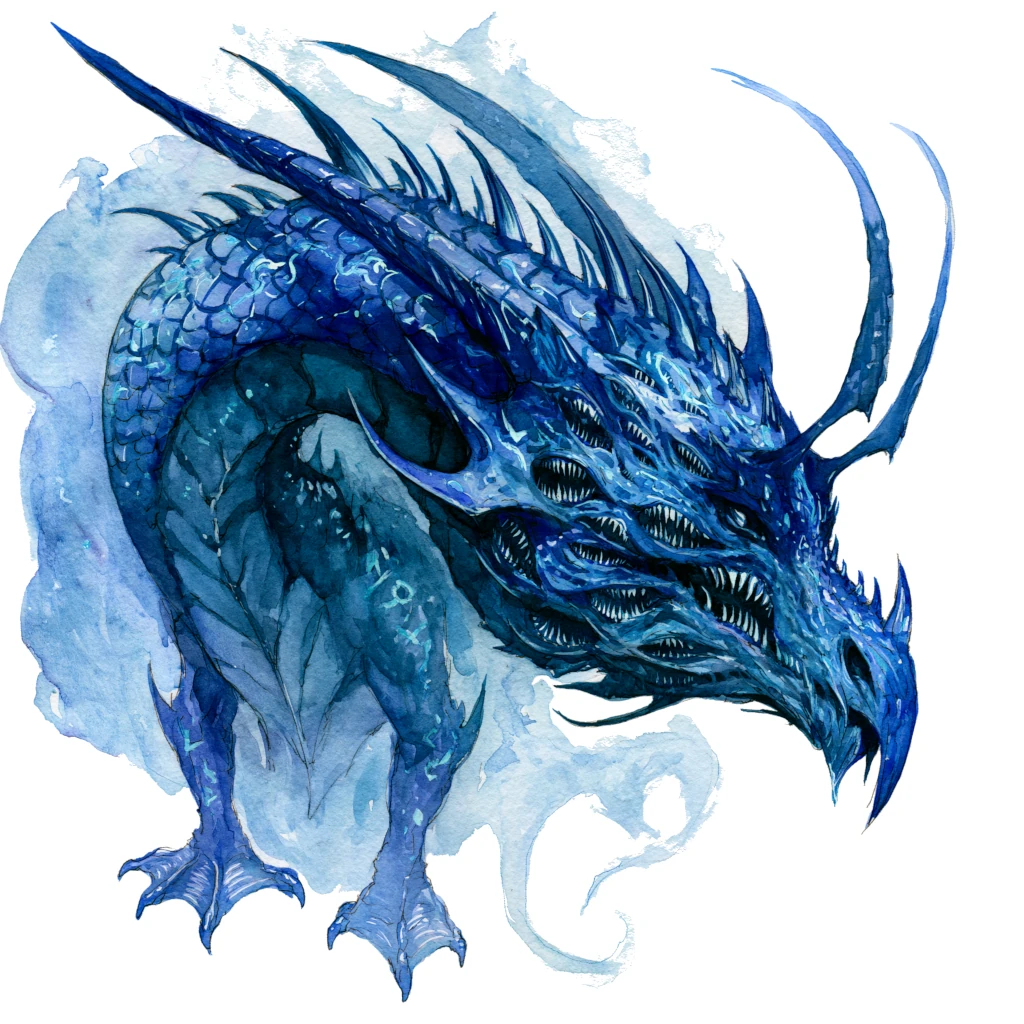
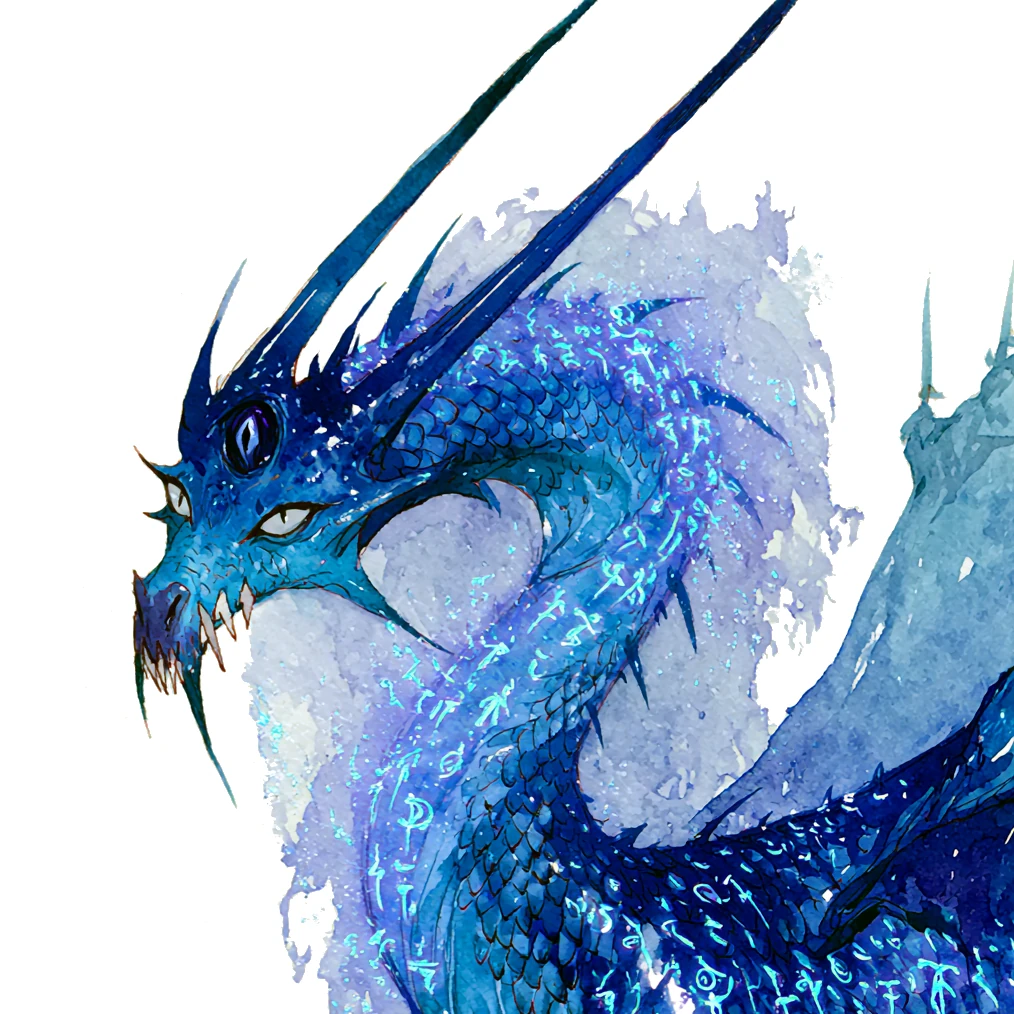
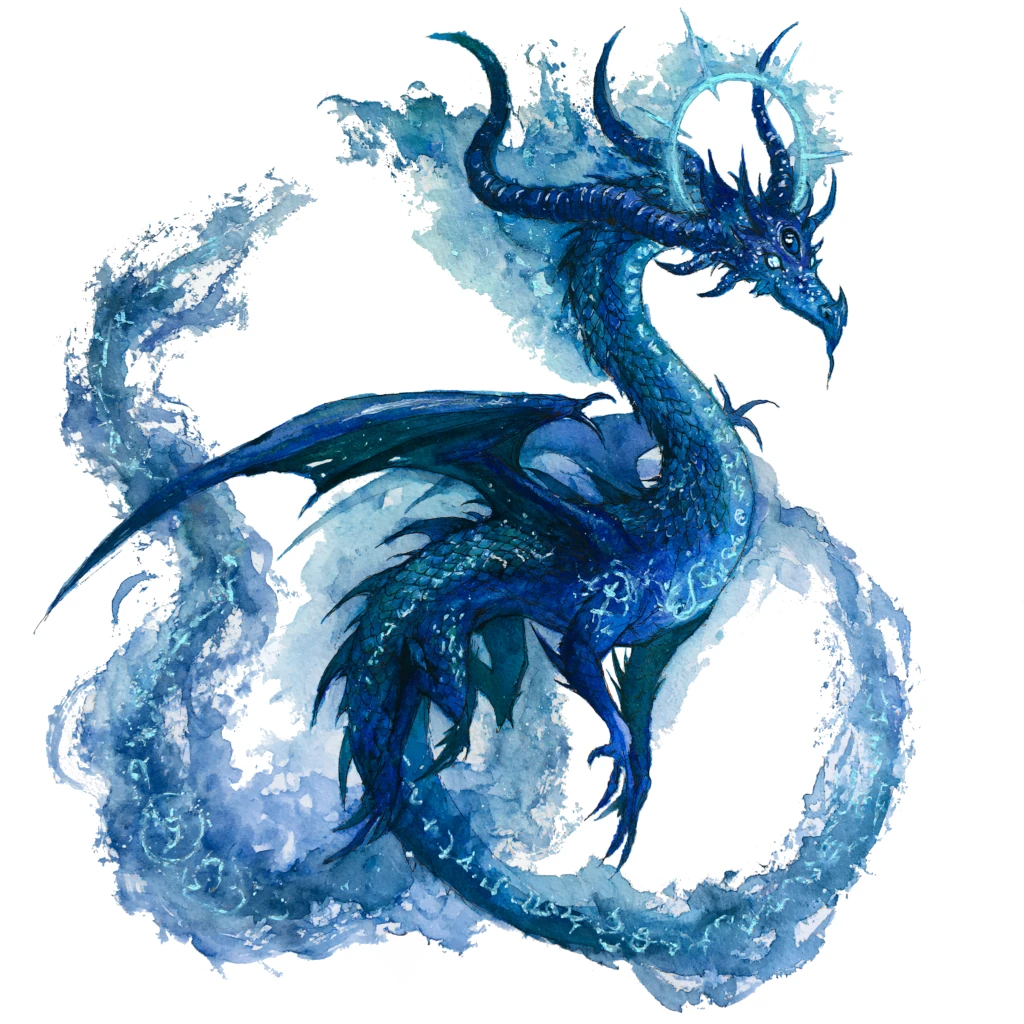
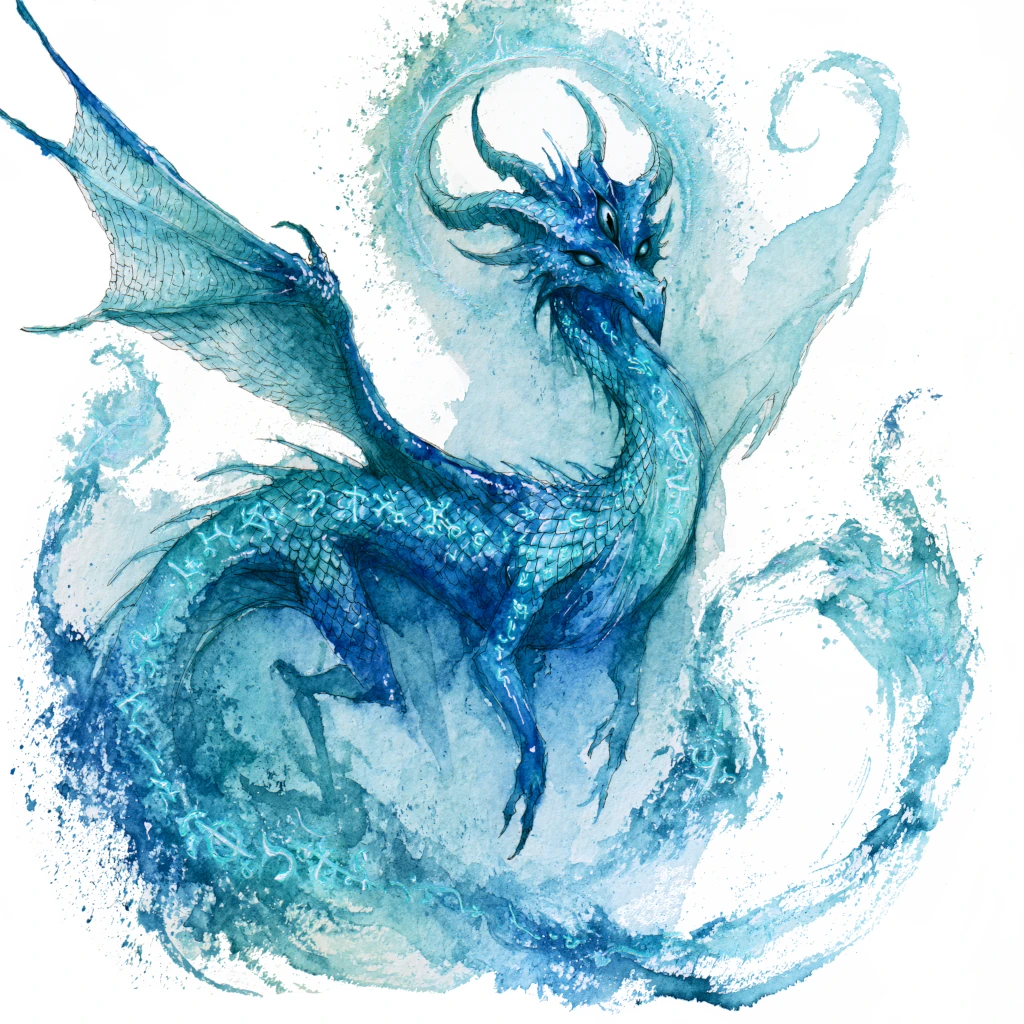
In their natural forms incarnum dragons are beautiful creatures with glossy azure scales, easily distinguishable from other, more common members of the draconic family. However, this form is rarely observed as it is, for incarnum dragon shapes are incredibly diverse for some rather strange reasons, which have to do with the way they feed. Incarnum dragons consume the aforementioned incarnum for sustenance—and since incarnum is concentrated belief, and as the old adage goes: you are what you eat—they themselves be affected by it. These creatures are masters of soulmelding magic—the power that lets them take conglomerates of souls and shape them into powerful constructs of soul-stuff. Every incarnum dragon is adorned from head to tail with the regalia of their conquest, forging a unique attire for themselves. ‘Attire’ here is, of course, a metaphor. Some incarnum dragons shape their soulmelds as parts of their bodies, other present them as spectral constructions, and some even look like they wear torn-off parts of other planes around themselves. No matter what, all incarnum dragons have a unique and strange appearance, and even when they try to appear innocuous and natural, an air of surreal and divine always surrounds them.
The origin of these dragons is as mysterious as everything else about them. Sages of the Ruby Palace believe that they were imbued with the fragmented energy of the draconic supreme power Io, while draconologists of Golarion believe them to be manifestations of incarnum magic itself. Some try to tie them to the Splinterlands, others—to the Akashic Records. Regardless of their actual origin, incarnum dragons are reclusive, and rarely make contact with either their fellow planar dragons or high-ups of the plane they are in.
COMBAT: Each incarnum dragon possesses three so-called ikons (or veils or soulmelds). Each ikon empowers the dragon in some way, but only one of them can be active at a time. A spark of divine magic that the dragon possesses, moves around its body as the power of the ikons waxes and wanes in accordance. Of course, even without ikons incarnum dragons are incredibly powerful, equal in strength and agility to silver dragons. Few of them learn traditional magic, however, preferring mastering their powers of incarnum. Chant goes that certain rare prodigies among incarnum dragons can even hold more than three ikons. Combat tactics of incarnum dragons vary depending on the nature of their ikons, alignment and other circumstances, but they are generally not keen on fighting and will typically retreat once they realise there’s a possibility of losing, and live to fight another day.
The breath weapon of the incarnum dragon is unusual in that it’s not a blast of energy, but rather a cone of consuming force. It rends the spirit of its targets, leaving them damaged and disoriented, as their souls briefly become misaligned with their bodies. The dragon might also decide to focus its consuming breath entirely on one target, in which case it can feed on its spirit and magic.
HABITAT/SOCIETY: Incarnum dragons live and die to consume incarnum, but there is a multitude of ways to obtain the stuff. Depending on how they go about it, incarnum dragons are loosely divided into four groups. This division is imposed upon them by those who study their kind—incarnum dragons themselves have no society and almost never work together even if they have a chance.
Good-aligned incarnum dragons tend to become so-called Shepherds. They tend to act as sages, healers or councillors. Many such dragons take paladin squads or benevolent cults under their wing. The primary objective of these shepherds is becoming a living symbol for the society around them. Being an object of legends and fables, a symbol on a shield, a portrait in the gallery feeds the dragon via the passive influx of incarnum, the thoughts and feelings of respect, awe and hope associated with its image. This may seem similar to how powers are sustained through worship, although incarnum dragons are careful not to actually encroach on the turf of the powers, resigning themselves to simply leeching off of some greater ideal.
On the opposite side of the spectrum there are Worldrenders. These are the predominantly evil incarnum dragons, who indulge their hunger for incarnum fully. Their namesake comes from their presence literally eating away parts of the plane, creating desolate areas of empty darkness and unstable magic. They can go further than that, of course, deliberately hunting and consuming petitioners, other wayward souls and even fiends. Unsurprisingly, such dragons find themselves with no allies, and lead solitary existences in the most distant corners of the Lower Planes.
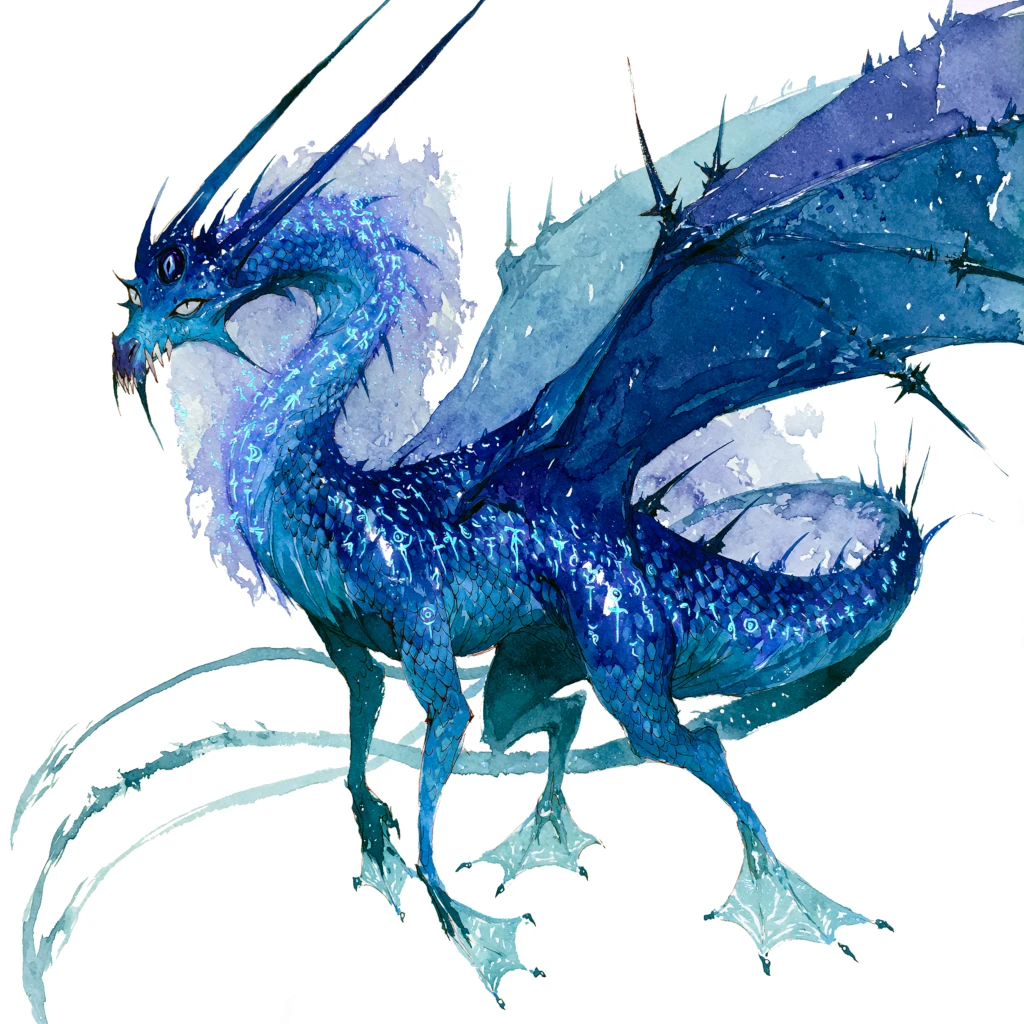
Autocrats have much less qualms about posing as deities than Shepherds. These are lawful incarnum dragons who act as leaders of communities, sometimes kings and sometimes gods. Their modus operandi can change, but they typically demand lawfulness and obedience from their charges. The end goal is to consume incarnum in form of faith, obedience and, at the end of the day, their souls. Autocrats create expansive realms in the Planes of Law that draw in petitioners that followed them, as if they were powers. Of course, they cannot hope to match an actual power, but they get their incarnum nonetheless.
And finally, the Thrillchasers are chaotic incarnum dragons. Unlike their brethren, they don’t tend to create lairs, but instead travel the planes freely, seeking the especially potent sources of incarnum. These can be magical materials, locations or even creatures. Thrillchasers are especially interested in creatures that defy their original alignment—fallen angels, rogue modrons and the like. They don’t necessarily kill them (incarnum dragons can feed on creatures without killing them), but their habit of messing around with important artifacts and high-ups still makes them unwelcome in many places.
Alignment-wise, all incarnum dragons tend to extremes, perhaps as consequence of their diet. This is why no fully neutral incarnum dragons exist. However, incarnum dragons are also prone to long-winded discussions of moral philosophy. Despite their adamant beliefs, they seemingly have no instinctual predisposition to any alignment, no desire to inflict cruelty or empathy towards suffering. Their moral decisions are always carefully weighted according to their own philosophy. Even ostensibly “good” incarnum dragons can have moments of terrifying detachment and apathy towards others. Alignment seems to be theory first for these bloods—and practice second.
Incarnum dragons are disliked, if not downright reviled, by most high-ups of the planes. Celestials criticise their opportunism, and fiends treat them as a threat to their own heirarchies. Powers of Mechanus are especially hostile to them, so there are no openly identified incarnum dragons on this plane. Aside from that, they can be found on any Outer Plane, typically in remote places, where they won’t attract much attention. Incarnum dragons also travel the Astral Plane, nibbling on the souls travelling through the astral conduits (much to the dismay of psychopomps). They are very rarely found on the Prime, and even autocrats prefer to appear to their subjects through magical projection. Incarnum dragons seemingly never visit the Ethereal or the Inner Planes.
ECOLOGY: Incarnum dragons can eat meat or gems, but they are sustained by incarnum. They can consume it in many ways (detailed above), but if it comes to direct combat, they can forcibly rip the incarnum energy from their target. This often kills the target, but sometimes the dragon can control their appetite and leave the target drains, bit alive. Alternatively, the dragon can always just eat the berk whole, consuming its soul in the process.
Incarnum dragons’ lairs can be set up in any environment. The influence of the dragon warps the landscape around, often creating strange and incredible sights. In the centre of such a lair the space itself seems warped, leading to potential disorientation and random teleportations. Some bloods report seeing their greatest fears or desires in these places, perhaps brought to life by the dragon’s power.

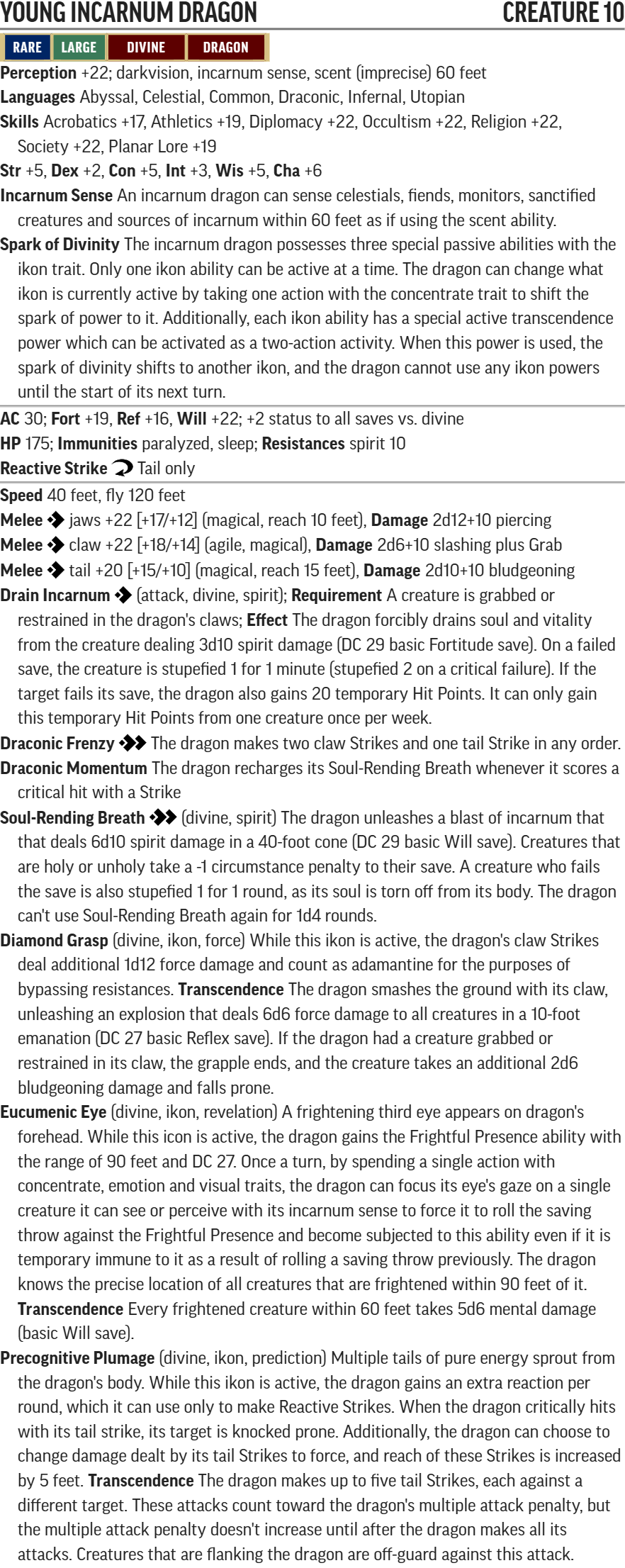
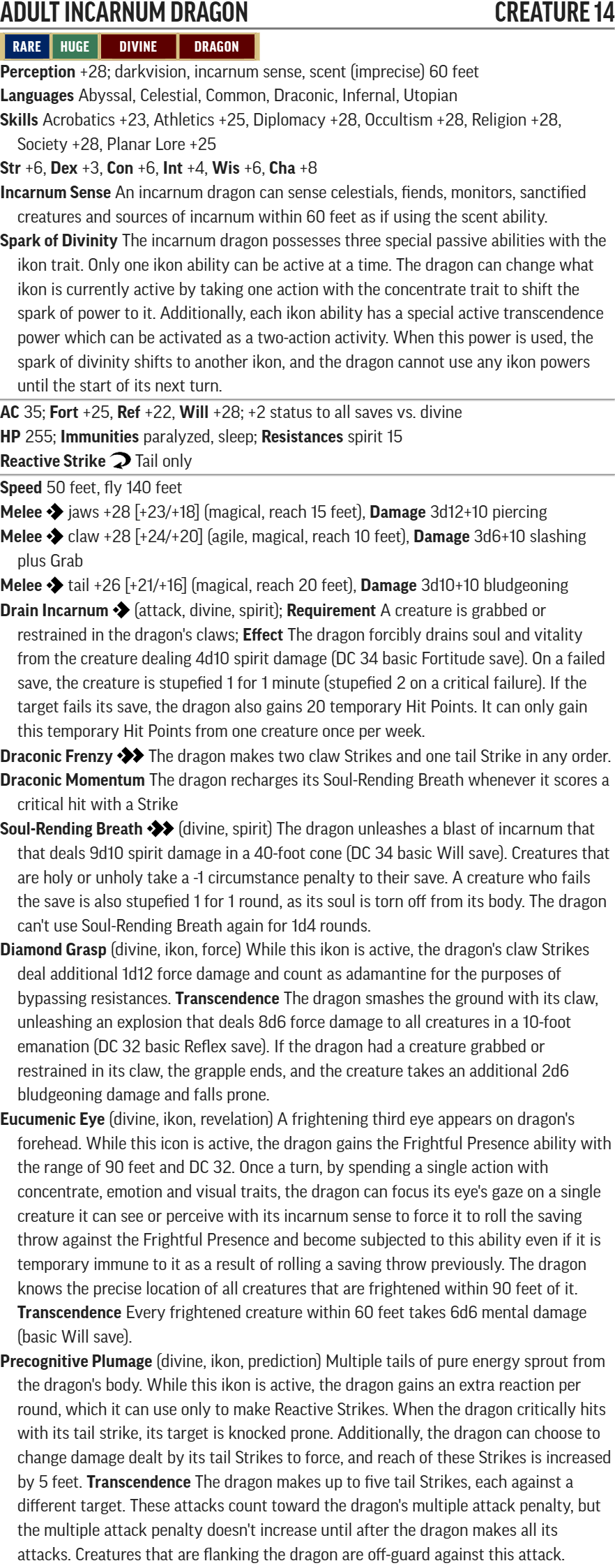
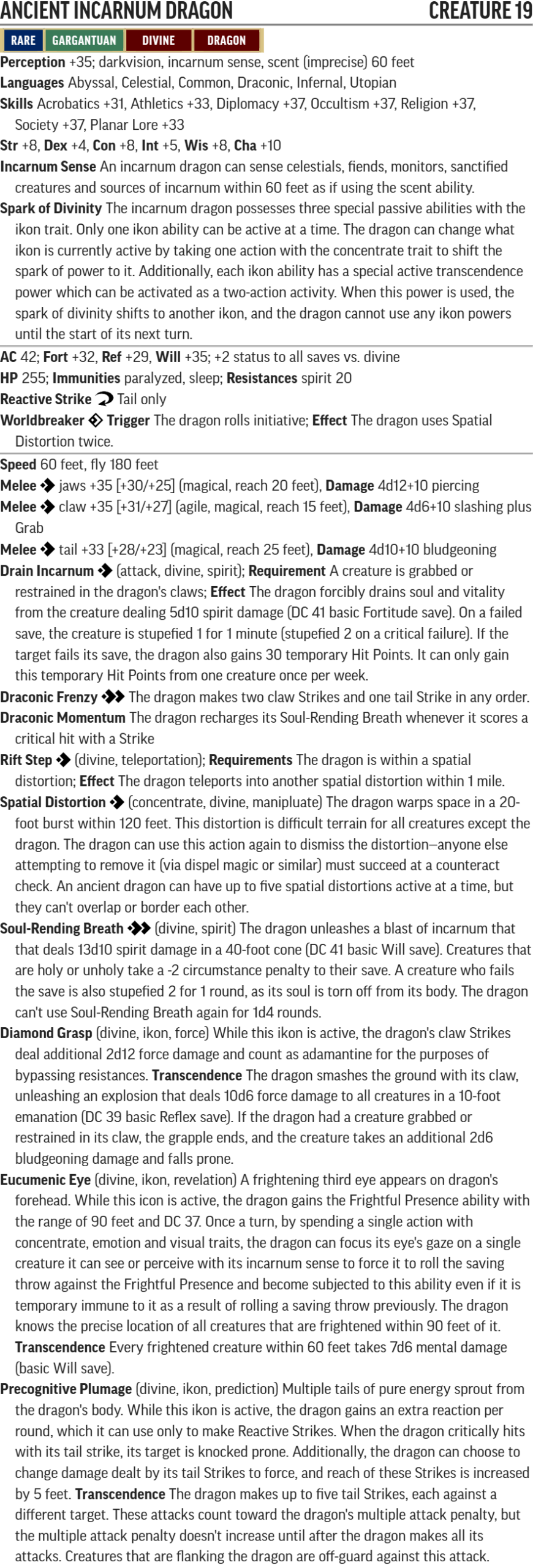
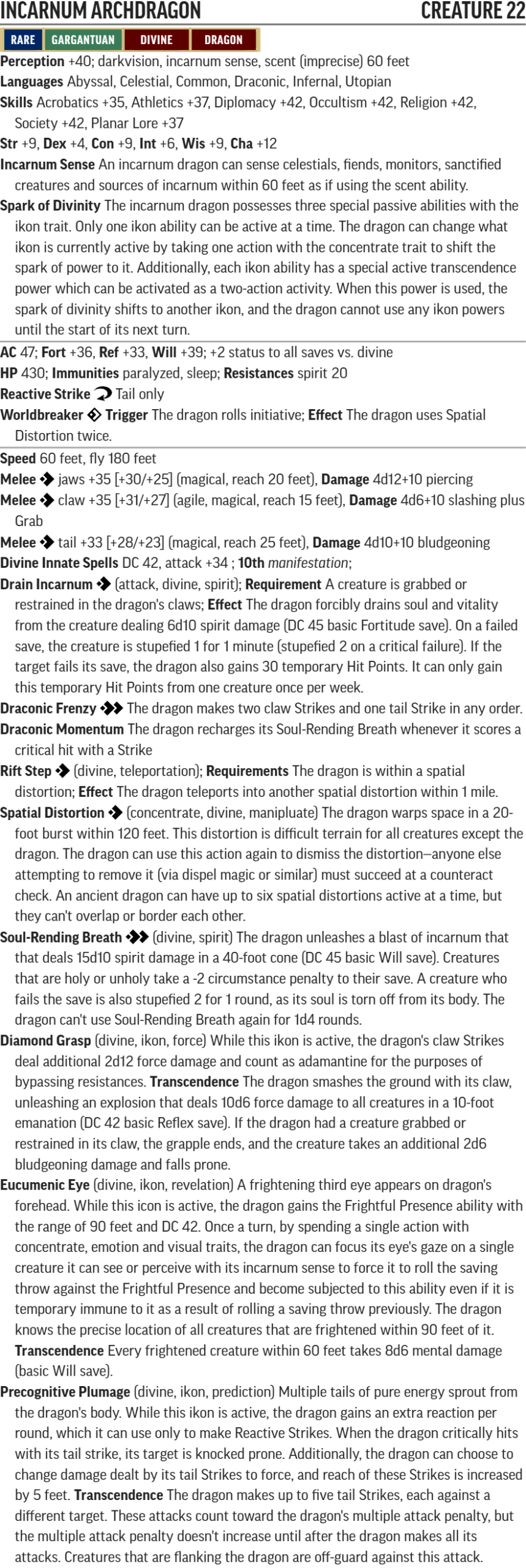
Statistics
[Homebrew, PF2e] ‡
Draconic Magic
Incarnum dragon spellcasters tend to cast the following spells:
Young Incarnum Dragon
Divine Prepared Spells DC 29, attack +21; 4th planar tether, seal fate, unfettered movement; 3rd anointed ground, crisis of faith, heal; 2nd resist energy, translate, undetectable alignment; 1st command, detect alignment, sanctuary; Cantrips (4th) bullhorn, detect magic, guidance, light, prestidigitation
Adult Incarnum Dragon
Divine Prepared Spells DC 34, attack +26; as young incarnum dragon plus 6th blessed boundary, repulsion, truesight; 5th banishment, sending, truespeech; Cantrips (6th) bullhorn, detect magic, guidance, light, prestidigitation
Ancient Incarnum Dragon
Divine Prepared Spells DC 41, attack +33; as adult incarnum dragon plus 9th foresight, overwhelming presence, telepathic demand; 8th clear mind, dispel magic, sound body; 7th divine decree, interplanar teleport, planar seal; Cantrips (9th) bullhorn, detect magic, guidance, light, prestidigitation
Incarnum Archdragon
Divine Prepared Spells DC 45, attack +37; as ancient incarnum dragon plus 10th gate; 9th heal; Cantrips (10th) bullhorn, detect magic, guidance, light, prestidigitation
Draconic Benefactor: For the purposes of abilities that reference your draconic benefactor, the incarnum dragon belongs to the divine tradition, and its breath weapon is a cone of spirit with the Will saving throw.
Alternative Ikons
Not all incarnum dragons use the same ikons detailed in the statblocks above. In their journeys, they accumulate many pieces of knowledge and belief that reflects their own experiences. This knowledge manifests as new ikons, which can replace previously-owned ones, and modifies their appearance as well. While dragons of certain alignments are more likely to use some ikons than others, any one of them can use any of the ikons listed below:
- Ascendant Halo (aura, divine, emotion, ikon, mental) 30 feet. All allies in the aura except the dragon itself gain a +1 status bonus to attack and damage rolls and to saving throws against fear effects. Transcendence All allies within the aura become quickened for 1 round. Allies can use this extra action to Raise a Shield, Step, Stride or Strike.
- For ancient dragon and archdragon increase the bonus to +2.
- This ikon replaces Eucumenic Eye.
- This ikon is typically used by Good-aligned incarnum dragons.
- Apocalypse Wings (divine, ikon, void) Wings of this incarnum dragon appear like sheets of pure void. When the dragon is targeted with an attack, it can raise its wing as a reaction to protect itself, providing a +2 circumstance bonus to AC against the triggering attack. Transcendence The dragon tears the landscape with its wings creating a planar rift within 30 feet. The rift measures 5 feet wide, 10 feet high, and up to 20 feet long, and can be Sustained for up to 1 minute. While the rift is open, any creature occupying its area or an adjacent square at the start of its turn takes 5d6 void damage with a DC 27 basic Reflex save. This void damage can affect creatures that are normally immune to it, however, creatures that are barred from leaving the plane they are currently on (for example via the planar tether spell) are immune to this ability.
- For each dragon age category beyond young increase the rift’s damage by one die. The saving throw DC is equal to that of the Diamond Grasp ability for the appropriate age category.
- This ikon replaces Precognitive Plumage.
- This ikon is typically used by Evil-aligned incarnum dragons.
- Authoritarian Mace (divine, force, ikon) The dragon’s tail is shaped like a gavel and strikes as the same. The dragon’s tail attacks do an additional 1d8 force damage. A creature that is hit by the tail must succeed on a DC 27 Will save or be cursed for 1 minute. While cursed in this way, the creature cannot benefit from circumstance bonuses, status bonuses or fortune effects. Transcendence All creatures that are affected by this ikon’s curse take 5d6 force damage (DC 27 basic Reflex save).
- For ancient dragon and archdragon increase the extra damage to 1d8. The saving throw DC is equal to that of the Diamond Grasp ability for the appropriate age category.
- This ikon replaces Precognitive Plumage.
- This ikon is typically used by Lawful-aligned incarnum dragons.
- Crown of Horns (divine, fire, ikon) Gruesome horns crown the dragon’s head. The dragon gains resistance 10 to fire and poison. When the dragon is critically hit with a melee attack, it can deal 6d6 fire damage (DC 27 Reflex save) to the triggering creature as a reaction with the fire and divine traits. Transcendence The dragon Strides and attempts a jaws Strike against a target that is Medium.or smaller. On a hit, the target becomes impaled on the dragon’s horns. The creature is grabbed while on the horn (and can attempt to Escape as normal). The dragon doesn’t need to use additional actions to keep the impaled creature grabbed. If the dragon moves, it brings the impaled creature along with it.
- For each dragon age category beyond young increase the reaction’s damage by one die and resistances by 5. The saving throw DC is equal to that of the Diamond Grasp ability for the appropriate age category.
- This ikon replaces Eucumenic Eye.
- This ikon is typically used by Evil-aligned incarnum dragons.
- Helmet of Absolutes (aura, divine, emotion, mental) 90 feet. An aura of crushing authority surrounds the dragon. A foe that enters or begins their turn in the area must attempt a DC 27 Fortitude save. The creature is sickened 1 on a success, sickened 2 on a failure and sickened 3 on a critical failure. Regardless of the result of the saving throw, the creature is temporarily immune to this dragon’s Helmet of Absolutes until it shifts its spark of divinity or for 1 minute, whichever comes first. Transcendence Each creature affected by the aura must succeed on a 29 Fortitude save or be pushed until it’s no longer in the aura.
- The saving throw DC is equal to that of the Diamond Grasp ability for the appropriate age category.
- This ikon replaces Eucumenic Eye.
- This ikon is typically used by Lawful-aligned incarnum dragons.
- Gilded Steps (divine, ikon) The dragon embodies freedom in its movements. It ignores difficult terrain, treats greater difficult terrain as normal difficult terrain and is constantly affected by a 4th level unfettered movement spell. Transcendence The dragon Strides or Flies and makes up to two claw attacks against different creatures along its path. These claw attacks deal an additional 1d8 spirit damage.
- This ikon replaces Diamond Grasp.
- This ikon is typically used by Good-aligned incarnum dragons.
- Malleable Matter (divine, ikon, morph) The dragon gains the Change Shape ability. It can transform into any creature that is Large or smaller, except for constructs and undead. This doesn’t change their Speed or attack and damage bonuses with their Strikes but might change the damage type their Strikes deal (typically to bludgeoning). Additionally, while in its true form, the dragon can squeeze through gapes that are at least 5 feet wide at full speed. Transcendence The dragon briefly changes shape into a horrific mangled abomination. The explosive revelation deals 9d6 bludgeoning damage to creatures in a 5-foot emanation with a DC 27 basic Reflex save. A creature that fails its save is also frightened 1.
- For each dragon age category beyond young increase the revelation’s damage by one die. The saving throw DC is equal to that of the Diamond Grasp ability for the appropriate age category.
- This ikon replaces Precognitive Plumage.
- This ikon is typically used by Chaotic-aligned incarnum dragons.
- Necrocarnal Touch (divine, ikon, void) The dragon covers its limbs in the corrupted spiritual energy of undead, the necrocarnum. Its claw strikes deal an additional 1d12 void damage. The dragon also gains the Greater Constrict ability that deals 2d8+8 void damage with a DC 27 basic Fortitude save. Transcendence The dragon creates a 15-feet burst of necrotic energy on the ground within 60 feet. This area becomes hazardous terrain. A creature that moves on the ground through the area takes 2d6 void damage for every square of that area it moves into. Only one such area can exist at a time.
- For each dragon age category beyond young increase the ikon’s damage by one die. The saving throw DC is equal to that of the Diamond Grasp ability for the appropriate age category.
- This ikon replaces Diamond Grasp.
- This ikon is typically used by Evil-aligned incarnum dragons.
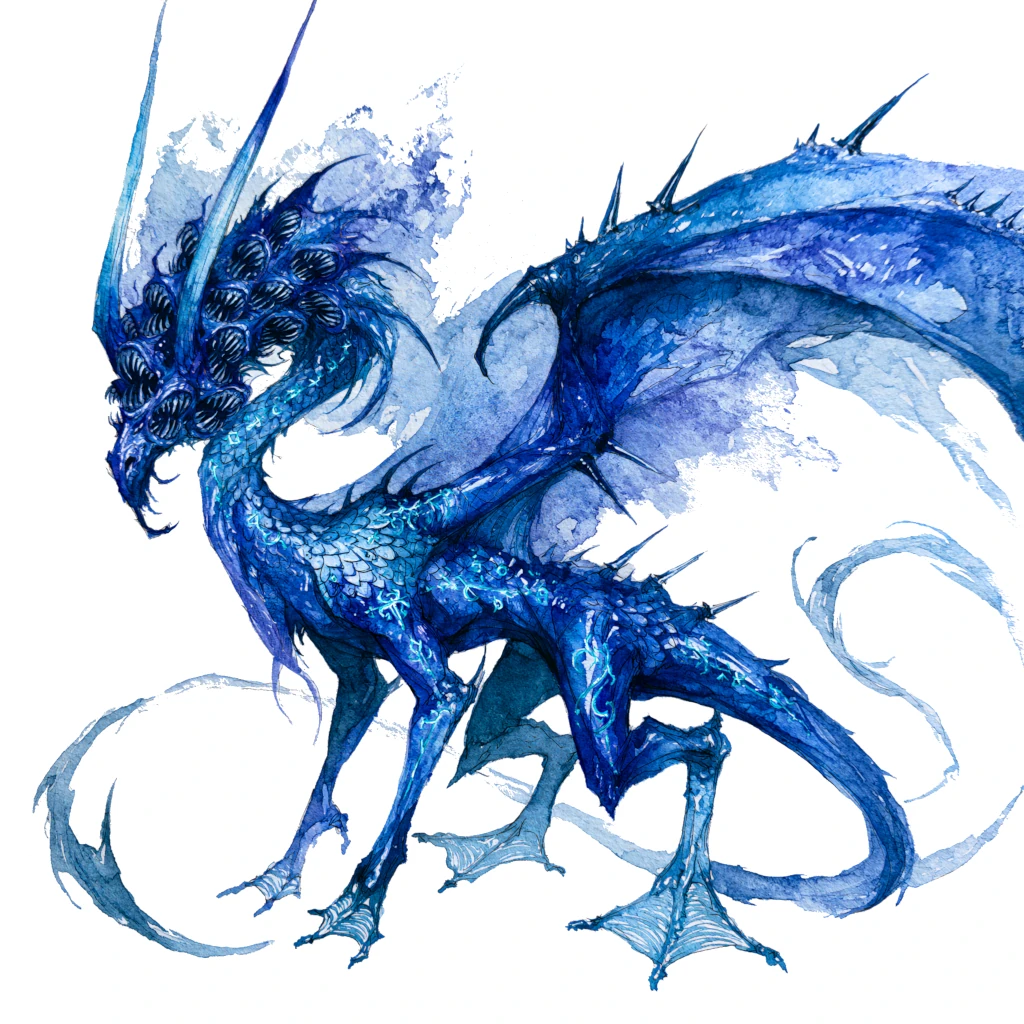
- One Billion Teeth (divine, emotion, ikon, mental, morph, poison, visual) Monstrous teeth and maws dripping with saliva grow all over the dragon’s head. Jaws Strikes from the dragon deal an additional 1d8 poison damage. A living creature that takes damage from the dragon’s jaws Strike must succeed at a DC 27 Fortitude save or become sickened 1 from a sheer monstrousness of the sight. Transcendence The dragon Strides up to double its Speed and can move through creatures smaller than it. Each creature, whose space it enters, takes damage equal to its jaws Strike damage (DC 27 basic Reflex save).
- For ancient dragon and archdragon increase the extra damage to 1d8. The saving throw DC is equal to that of the Diamond Grasp ability for the appropriate age category.
- This ikon replaces Eucumenic Eye.
- This ikon is typically used by Chaotic-aligned incarnum dragons.
- Shield Scales (divine, ikon) The dragon is covered with golden scales that appear like emblazoned shields. When the dragon is critically hit by an attack, it can use a reaction to gain resistance 10 to all damage against the triggering attack. Transcendence The dragon flings its shields in all direction, dealing 6d8 bludgeoning damage with a DC 27 basic Reflex save to all creatures in a 30-foot emanation. Creatures that fail their saving throw are also dazzled for 1 round.
- For each dragon age category beyond young increase the ikon’s damage by one die. The saving throw DC is equal to that of the Diamond Grasp ability for the appropriate age category.
- This ikon replaces Precognitive Plumage.
- This ikon is typically used by Good-aligned incarnum dragons.
- Space-Rending Jumps (divine, ikon, teleportation) The claws of this dragon can carry it through space in an instant. While this ikon is active, the dragon can spend a single action to teleport up to 60 feet once per round. If it ends up next to another creature as a result of this teleportation, this creature is off-guard to its next Strike until the end of the dragon’s current turn. Transcendence The dragon teleports around so fast, it appears to be in two places at once. The dragon splits itself into two copies, each of which teleports up to 60 feet from the dragon’s current space, then takes a single action. If the actions are both attacks, they use the same multiple attack penalty and count as one attack toward the dragon’s multiple attack penalty. After both actions, the dragon chooses one of the two locations as its actual destination and the other version of itself disappears.
- This ikon replaces Diamond Grasp.
- This ikon is typically used by Chaotic-aligned incarnum dragons.
- Thousand Hands (divine, ikon) Dozens of rhythmically gesturing hands protrude from the dragon’s body. While this ikon is active, actions with manipulate trait performed by the dragon don’t trigger reactions, and skill checks performed with the aid of these arms gain a +1 circumstance bonus. Additionally, after hitting a creature with a claw Strike, the dragon can attempt to Disarm the target as an action (as a free action if the dragon is ancient or archdragon). This action isn’t affected nor counts towards the dragon’s multiple attack penalty. Transcendence The dragon makes one claw Strike against each foe within reach. It can replace any number of those Strikes with a Grapple, Shove, Trip or Disarm attempt. This counts as three attacks for the dragon’s multiple attack penalty, but the penalty doesn’t increase until all attacks have been made.
- This ikon replaces Diamond Grasp.
- This ikon is typically used by Lawful-aligned incarnum dragons.
Sources: Jon Winter-Holt and Margarita, inspired by the Incarnum Dragon from Magic of Incarnum [3e] p172-175. Canonwatch: The original Incarnum dragon probably takes the cake for the most boring of all true dragon species ever put to print. Their only traits are eating incarnum and having extreme alignments. I tried to make this species much more in-line with the weirdness of Planescape, while also drawing from the Pathfinder 2e Exemplar class mechanics. References to Akashic Records and veils are inspired by the third-party PF1e supplement “Akashic Mysteries” that also provides its own take on incarnum magic.