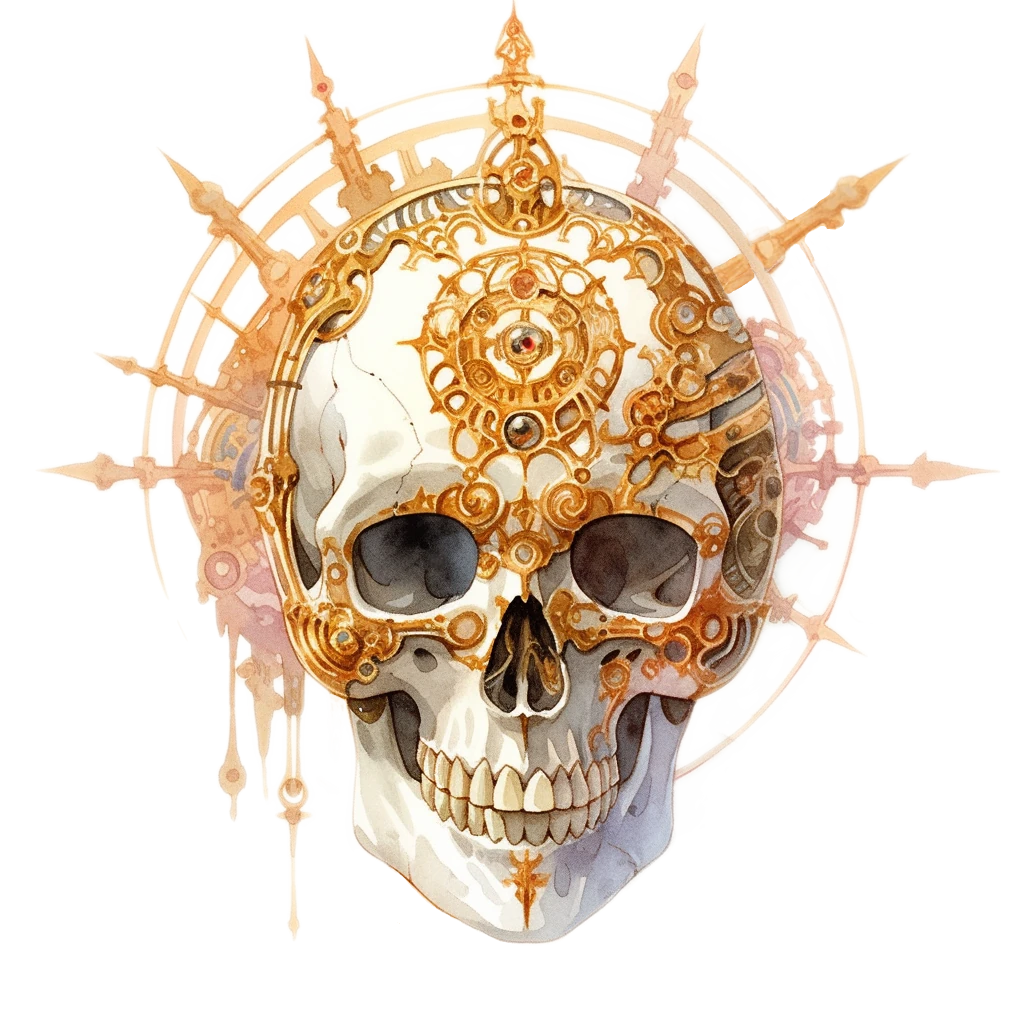

Cailleach

The Veiled Woman, Cailleach Bhéara, the Hag of Beara. N/NE intermediate power of winds, wilderness, winter (She/Her)
Pantheon: Celtic (Welsh)
Realm: Gehenna / Mungoth / Winter’s Embrace
Symbol: A winter stormcloud
Cailleach (pronounced KYE-ack), the Veiled Woman, is the Celtic power of cold winds and harsh winters. She embodies the most untamed and merciless aspects of nature. Her realm, Winter’s Embrace, is a bleak and desolate place, perpetually in the grip of the harshest winter you can imagine. It’s a landscape of stark beauty, with vast snow-covered slopes, ice-bound forests, and deep canyons with frozen rivers. The sky is a heavy gray, laden with clouds, and howling winds whip up snow and fog. A berk needs to be careful that they’re not blown off the slick slopes of Mungoth to a long, and likely deadly, fall. Winter’s Embrace reflects Cailleach’s personality—magnificent and severe. Only the hardiest of creatures and spirits can hope to survive here.

Cailleach manifests as two personas, Creator and Destroyer, and each one has a very different appearance. As Destroyer, the Hag of Beara (also called Gair Carlin) appears as a horrible frostbitten crone, with milky white eyes and a third piercing blue eye in her wrinkled forehead. This personality takes pleasure in the destructive aspect of Winter, the killing of livestock and crops, and the hardship and hunger that follow. When she flies out from Gehenna, the lands beneath her are blanketed in snowstorms and ice, marking the end of the cycle and the coming of Winter. She’s able to ride storms and leap across mountains, and wields a hammer that can call thunder and lightning. She embodies the relentless, merciless side of nature, the dormancy and decay of winter.
Eventually though, the Hag Beara tires and retreats to her dark cave. At the end of the winter, she drinks drops of water from the Well of Life and is reborn—and the cycle begins again. The Celts hold their collective breaths as they await the arrival of her replacement. Cailleach the Creator appears as a pale young woman, also known as the Bride. Her skin and hair is the colour of fresh snow, and she’s always wrapped up warm in white furs which swirl in the constant winds. She’s beautiful certainly, but her expression is cold and emotionless as her realm. The Bride is responsible for bringing the end of Winter and heralding the start of a new cycle. She flies out from Gehenna and across Celtic lands to mark the last snows and the promise of Spring’s renewal. Chant goes she carries a basket of stones, and when she drops them new mountains and valleys are created.

The Celts pay homage to both aspects of Cailleach; placating the Destroyer and beseeching the Creator to return early. Their holy festivals acknowledge the harsh lessons of Winter, and pray for merciful winds and return of life-giving sunshine. Some Celts go even further; those who call themselves Scots invoke Cailleach as the mother of all Celtic powers. Could this cutter actually be a manifestation or remnant of Dana, the matron of the Tuatha de Danann? Despite her association with death and winter, Cailleach also symbolises fertility and the cycle of life, death, and rebirth. She’s a complex cutter for sure.
Superstitions regarding Cailleach run deep in Tir na Og. While she’s considered both creator and destroyer, she is also considered to be a protector. Her patronage of Winter also connects her to grain, a food source necessary for survival during the coldest months. The last sheath of grain from the harvest before winter must be dedicated to Cailleach. The farmer who finishes the grain harvest first must make a corn mother that represents the crone and should throw it into a neighbour’s field if they had not finished their harvest. The last farmer to finish the harvest is left in possession of the corn mother and must to care for it throughout Winter, until the beginning of the next planting season. No farmer wants to house Cailleach overwinter, so competition is fierce during the harvest season as each farmer works their hardest to make sure they’re not the last to finish.
Source: Jon Winter-Holt. Mythwatch: There’s a nice resource on Cailleach here. She’s an incredibly ancient goddess, possibly prehistoric. I added her to the Welsh powers section although she could also be placed as Celtic or Scottish—however I think we have enough sub-groupings of Celts already…
What is its symbol?
Thanks for the comment — I’ve added a symbol, and updated her art too. Cheers!