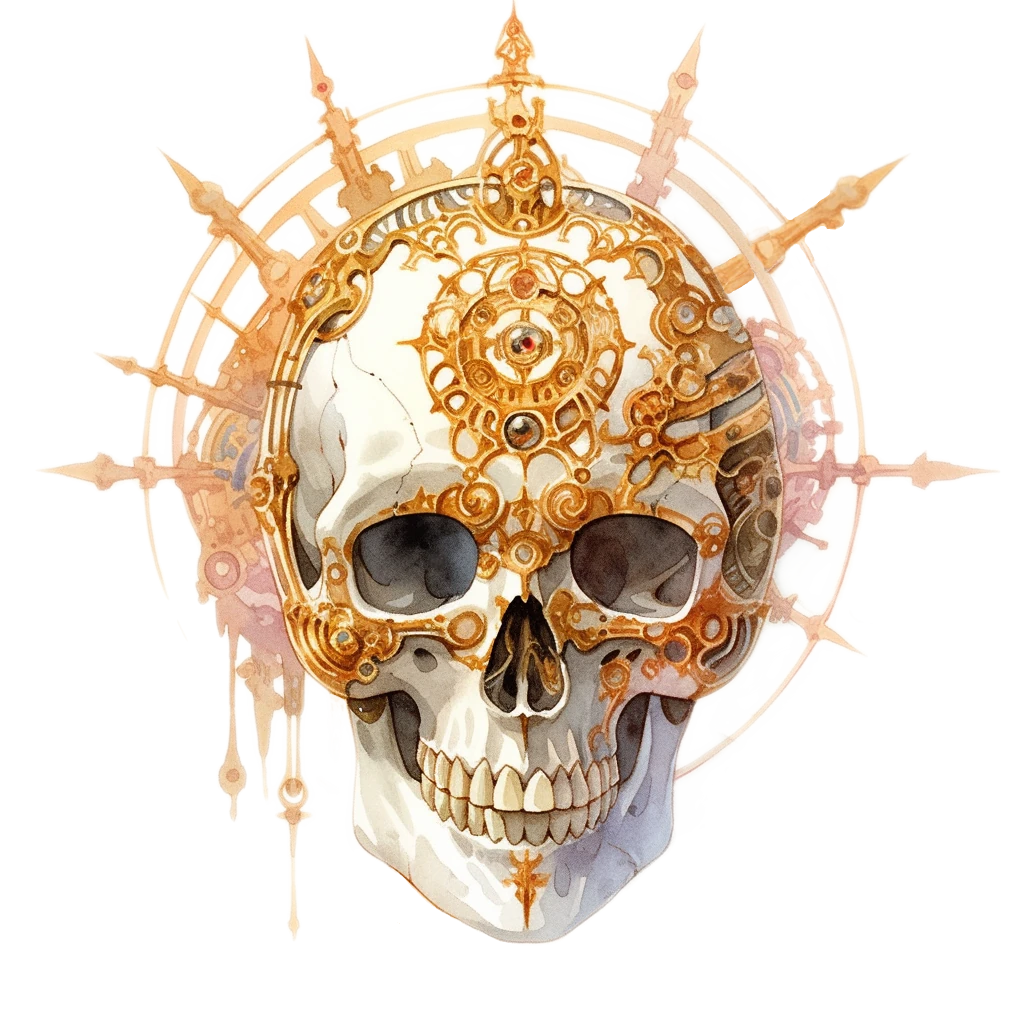

Veela

One of the more enigmatic—and certainly one of the most alluring—of the Inner Planes’ denizens are the veela, elemental spirits who embody the raw, unbridled joy of existence itself. These captivating creatures dance in the crucible of creation, where the fundamental forces of reality converge and swirl in eternal motion. Neither fully fey nor purely elemental, veela occupy a curious position in the Grand Scheme of Things—for they are the laughter of the planes made manifest, and the embodiment of elemental exuberance.

Born from the myths of the Slavic Pantheon, the elemental veela represent the primal joy of nature. While Prime fairy stories speak of veela as nature spirits dwelling in forests and rivers, the veela of the Inner Planes are actually creatures of pure elemental essence. Some Guvner graybeards theorise that they may be ancient sirocco or brijidine eladrin who became so attuned to elemental forces that they transcended to something new. Or perhaps they are what remained when the raw creativity of the Feywild met and mixed with the fundamental building blocks of reality. Djinni scholars scoff at this and suggest that it is the eladrin who are really veela who got lost on the Great Ring. It seems likely that this is one debate that’ll rumble on and on..
What makes veela unique is their Beckoning Dance—a performance that’s so infused with elemental joy that it can compel others to join the veela in their revelry. The beckoning dance is no frivolous entertainment mind, but a fundamental expression of their spirit, as natural to the veela as breathing is to mortals. Through their dance, the veela channel and redistribute the energy of the Inner Planes, serving as conduits through which the elements express emotions. This also seems to be the way they nourish themselves, for a veela who in prevented from dancing for long enough will surely wither and fade away.
DESCRIPTION: Veela are breathtakingly beautiful, androgynous humanoids who appear as idealized versions of elven or human forms, standing just under six feet tall and weighing approximately 140 pounds. Their most striking feature is their luminous skin, which shimmers with an inner radiance that reflects their elemental nature—fire veela glow like molten metal, water veela gleam like moonlight on waves, and air veela possess an almost translucent quality that makes them appear to fade at the edges.

Their hair (for those that possess it, at least) flows constantly, shifting and moving even when the veela themselves are still. Their eyes burn with primal energy, and elemental auras surround each veela like a second skin even when they are away from their home plane. This aura can intensify during emotional states or combat, serving them as both protection and weapon.
PREFERRED HABITAT: Veela show distinct preferences for environments that resonate with their elemental natures. Outside of their native Inner Planes, air veela favour the highest peaks and cloud-touched spires, dwelling in floating cities and storm-swept mountain ranges where the winds never cease. Earth veela are drawn to deep caverns, crystalline formations, and the underground hearts of mountains. Fire veela thrive in volcanic regions, forge-cities, and anywhere flames dance freely—with a particularly large community residing in Feronia’s Cradle of Flames.
Water veela inhabit both freshwater and marine environments, from sacred springs to vast oceanic depths, while the wood veela prefer ancient forests, especially groves where the barrier between planes grows thin. The newly recognized metal veela are believed to prefer places where worked metal accumulates—great foundries, weapon forges, mines, and the mechanical cities of the quasi-elemental planes.
PHILOSOPHY / SOCIETY: Veela society is entirely built around the principle of unbridled expression. They believe that existence without joy is no existence at all, and that the elements themselves dance through the multiverse in eternal celebration. Veelan philosophy centers on the concept that energy—whether elemental, emotional, or spiritual—must flow freely, or else it stagnates and dies.
Veela organize themselves into small, fluid communities called troupes, typically numbering between three and twelve individuals. These groups form, dwell together, dissolve and reform based on shared interests, complementary elemental types, or simply the desire for companionship. Veela troupes operate more like artistic collectives, with leadership shifting based on expertise, inspiration, or whoever feels most moved to guide at any given moment.

Central to veelan philosophy is the belief in the Waltz Eternal—the idea that all of existence participates in a cosmic dance, and that by joining in, one becomes part of something infinitely greater than themselves. Veela view their beckoning dance not as manipulation but as a sacred invitation, offering mortal cutters the chance to experience the pure joy that veela strive to feel constantly.
Despite their different elemental natures, veela believe in the fundamental interconnectedness of all forces. Unlike many elemental races who practise segregation, for the veela, mixed-element troupes are common—even celebrated, as the interaction between different elemental energies creates new and beautiful forms of expression.
ECOLOGY: While on the Inner Planes, veela sustain themselves through absorbing ambient elemental energies. However, when traveling to other planes, they must supplement this diet through their dance, siphoning life energy from (preferably) willing participants. This energy exchange is typically symbiotic rather than parasitic. While partners may feel drained after dancing with a veela, they also experience an euphoric high and may gain temporary insights or abilities related to the veela’s elemental nature. The exchange is described as leaving mortals “exhausted but exhilarated”—a trade many find worthwhile despite the physical cost.
Veela approach mortals with curiosity and genuine affection, viewing them as potential dance partners and sources of fascinating new experiences. However, their alien nature means the veela don’t always understand mortal limitations. What seems like harmless fun to a veela might prove overwhelming or even dangerous to an unprepared mortal participant.

Mortals who successfully match or even better a veela’s dancing skill earn their profound respect, and often their friendship. Such relationships can lead to the sharing of elemental magic, healing, and even romantic entanglements—where do you think genasi come from, cutter? There are 1001 tales of legendary heroes having been aided by veela. Conversely, those who interrupt veela dances, attempt to bind or capture these creatures, or show disrespect for their elemental nature risk facing their considerable wrath. Veela are passionate beings, and their anger flares up and burns as brightly as their joy.
The creation of new veela remains mysterious. Some graybeards believe they spontaneously generate from particularly intense elemental convergences, while others theorise veela reproduce through complex dancing rituals that literally weave new beings from elemental essence. What is known is that veela seem functionally immortal, slowly changing and evolving over centuries rather than aging in any traditional sense.
COMBAT: The signature ability of all veela is their Beckoning Dance. This supernatural performance can compel viewers to join them, unable to resist the pull of the music of the spheres. Participants must match the veela’s skill or suffer exhaustion and damage as their life force is drained. Cutters forced to dance lose vitality if they fail to keep up with the veela’s pace, potentially leading to exhaustion, unconsciousness, or even death. However, cutters who successfully keep time earn the veela’s respect and may benefit from their healing magic. While dancing, both veela and their partners are protected by supernatural sanctuary, making them difficult to target with hostile magic or attacks.
Their elemental magic provides additional combat options, but veela generally prefer to avoid direct confrontation unless severely provoked. They possess an energy veil—an aura that both shields the veela and can inflict damage on attackers. This manifestation of their elemental nature adapts to their type—fire veela burn attackers, air veela knock them back with wind, and so on.
All veela possess healing abilities (cure wounds), can dispel magic, and influence minds through suggestion. Beyond these universal abilities, veela command magic inherent to their elemental type:

- Air veela wield wind and lightning, creating powerful gusts and electrical storms
- Earth veela can transmute stone, create barriers, and manipulate the ground itself
- Fire veela launch scorching rays and conjure serpentine flames
- Metal veela can fling shards of steel and magnetise weapons and armour
- Water veela control hydraulic forces and freeze their enemies
- Wood veela can awaken plants to join in their dance, or entangle their foes
While on the Prime, some veela also possess shapechanging abilities, allow them to pass unnoticed, or escape dangerous situations by transforming into innocuous animals—swans, wolves, horses, or other creatures appropriate to their element.
Air Veela
oblakinje (OH-blah-keen-yeh)
These lithe, ethereal beings embody the freedom and unpredictability of wind and storm. Lithe and androgynous, air veela possess colourless and translucent skin that shifts like clouds, and an otherworldly grace that makes them appear to float rather than walk. Their eyes look like crackling sparks, and their flowing hair and diaphanous robes are constantly buffeted by gentle winds. They are master storm-callers and lightning-dancers, their performances often accompanied by spectacular aerial displays that can be seen and heard for miles. Air veela are the most nomadic of their kind, rarely staying in one location for long as they follow the winds across the planes.
Stats: [ Pathfinder 1e ] Bestiary 5 [PF1e] p264
Earth Veela
zemlyana (ZEM-lia-na)
The rarest of the veela, perhaps due to solid, heavy earth’s apparent contradiction with dance, earth veela emerge primarily during massive geological events—earthquakes, volcanic eruptions, and mountain formation. When they do appear, their dances are profound and moving, causing the very ground to pulse and shift in sympathy. These veela embody the slow, patient strength of stone and crystal, their movements deliberate and powerful. Their elemental auras are clouds of swirling dust and crystal fragments, and their marble skin is completely bald. They are often sought out by miners and builders who hope to gain their blessing for important construction projects.
Stats: [ Pathfinder 1e ] Bestiary 5 [PF1e] p264
Fire Veela
ôgenj (AW-gen-y)
Perhaps the most visually striking of the veela, fire variants possess flawless, glowing skin that shifts between the colours of molten metal and dying embers. Their hair flows like living flame, and their eyes burn with the intensity of forge-fires, or dim like glowing coals. Their elemetal aura is a wreath of crimson fire. Fire veela are passionate in all things—love, anger, joy, and sorrow—expressing their emotions through dances that can literally ignite the air and ground around them. The large community of fire and metal veela in Feronia’s Cradle of Flames has developed a sophisticated culture around fire-craft and metallurgy.
Stats: [ Pathfinder 1e ] Bestiary 5 [PF1e] p265
Metal Veela
železnica (ZHEH-lez-nee-ka)
Only recently encountered, the metal veela embody the crafted and refined aspects of brass and steel. Their bodies are angular and edges sharp, and their dances are more staccato. They represent worked metal, and are drawn to great forges, weapon smithies, and places where the stuff has been shaped with skill and purpose. Their dances incorporate the rhythmic pounding of hammers and the singing of heated metal, and they are said to be able to strengthen and enhance crafted items through their performances. The most dangerous of their dances embodies the heat and fury of battle itself.
Stats: None yet — this one is homebrew
Water Veela
povodeň (POV-oh-denya)
Graceful and fluid, water veela embody both the gentle flow of streams and the tremendous power of tsunamis. Their hair cascades in locks that flow like liquid silk, and their eyes are deep dark pools. Their movements are hypnotically smooth, and their dances usually involve the manipulation of water—creating fountains, whirlpools, and cascades that enhance their performances. They are particularly drawn to sacred springs and healing waters, often serving as reverential guardians of such sites. Water veela are known particularly for their healing abilities, and their capacity to purify both water and spirits through their dance.
Stats: [ Pathfinder 1e ] Bestiary 5 [PF1e] p265
Wood Veela

zagorkinje (zag-or-KEEN-ee)
These nature-attuned veela represent the wild, untamed aspects of growing thing, and the sturdy, unyielding power of wood. Their hair is composed of vines and roots, and their skin varies from pale silver birch to deep mahogany. Their name in their own tongue means “bitter,” and hints at their complex relationship with civilisation—the zagorkinje love the natural world and often view mortal expansionism as a threat to the wilderness they cherish. Wood veela can accelerate plant growth through their dances, cause flowers to bloom out of season, and communicate with forest creatures. They are the most likely to form lasting relationships with druids and rangers who share their love of untamed nature.
Stats: None yet — this one is homebrew
Source: Margarita and Jon Winter-Holt. Mythwatch: Veelas (or vila, víly) are spirits from Southern Slavic folklore, which describes three kinds of veela: zagorkinje, or forest veela (also ‘bitter fairy’); povodeň, or water nymphs, and oblakinje, or cloud veela. It’s interesting that Paizo made them elemental themed in Pathfinder 1e. The incessant dancing, however, is actually spot on. They have yet to be officially converted to PF2e. For the other elements—including the two bonus elements of remastered Pathfinder 2—we’ve filled in the gaps.