

[ Persian Pantheon ] [ Baxt | Daevas | Yazad ]
The Persian Pantheons
The Beginning, the Yazata, the Daevas, and the Baxt
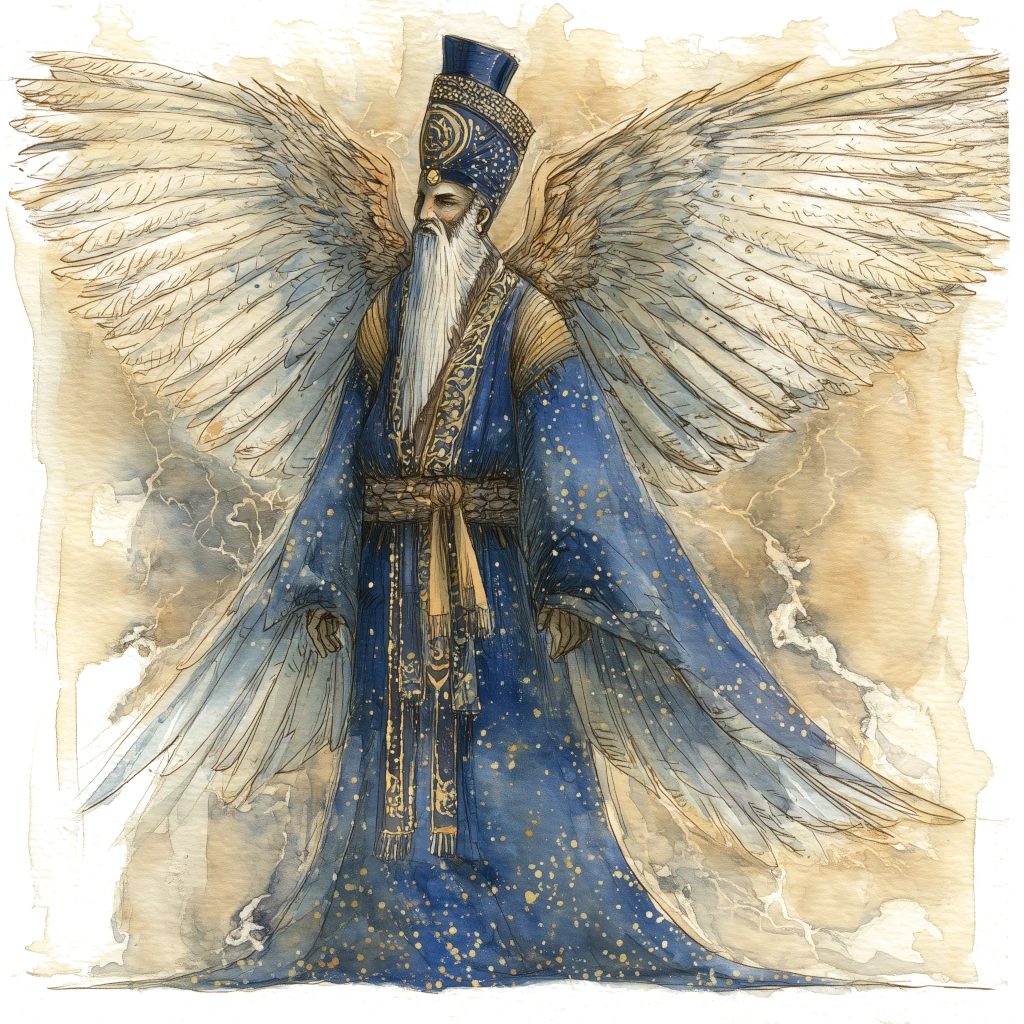
In the beginningless void before the planes took shape, Infinite Time—Zurvan—was alone. In order to create offspring to accompany them, Zurvan spent one thousand years in prayer. However, after all this time with no sign of success, Zurvan began to wonder whether their ritual would ever be successful. That single moment of doubt caused the whole thing to go awry, and as well as creating Ahura Mazda, a companion of infinite purity, a being of utter darkness—Angra Mainyu—also arose. Zurvan realised their error, decided that the first to be born would rule the multiverse, and secretly let Ahura Mazda know. Ever the honest cutter, Ahura Mazda told his twin about this decree. And of course, Angra Mainyu immediately turned stag, ripped his way free of the cosmic womb, and thus was born first.
This meant that the multiverse now belonged to Angra Mainyu—and thus it is why the planes today are so full of darkness and wickedness. Realising his terrible mistake, Zurvan decreed that Angra Mainyu’s time was limited, and after he had been king for 9,000 years, it would the be the turn of Ahura Mazda. They also decreed that there should be a neutral arbitrator who would see that Angra Mainyu did not overstep his boundaries and that the destiny of Ahura Mazda would come to pass as prophesied. This would be called the Baxt, or fortune, and it would be their task to monitor the smooth passage of fate, and the rules of the multiverse. Zurvan then retreated from the multiverse, to the very end of the Plane of Time.
Ahura Mazda set about creating the Multiverse as we know it over the course of seven days. On the first day, he created the firmament, then the next day he split the sky and the waters. Next he pulled the earth from the seas. The fourth day he created plants to populate the bare soil, and the day after that, the animals. On the sixth day came the mortals, and finally on the seventh day, he gave them fire so they could keep warm and cook food to eat. Satisfied with his work, he then emanated seven divine entities from his own form, and called them the amesha spentas. Each would be responsible for giving a gift to the mortals, and looking after an aspect of creation.
The Yazad
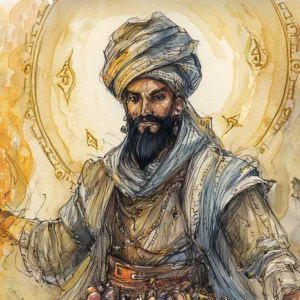
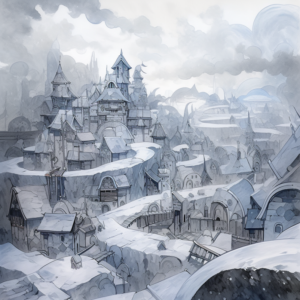
The first emanation, Spenta Mainyu, chose the sky as his dominion, and taught mortals how to be benevolent. Anahita took the seas as hers, and showed mortals how to prosper by harnessing the power of water. Spenta Armaiti watched over the earth, and taught mortals how to farm it. Ameretat nurtured the plants, and gave mortals the gift of long lives. Vohu Manah was tasked with looking after the animals, and his gift to mortals was the capacity to think good thoughts. Asha Vahishta oversaw fire, and told the mortals about truth and order, and how to stand against the evils of the world. And finally, Khshathra Vairya chose to watch over metal, and taught mortals about civilisation and kingship. Then Ahura Mazda created a Great Egg, and filled it with many more gods. When it hatched, there were thirty three in total, and they called themselves the Yazad. While they’re a diverse family of powers, they fundamentally agree on one thing—the concept of asha, or truthful living.
Get the chant on the Yazad here…
The Daevas
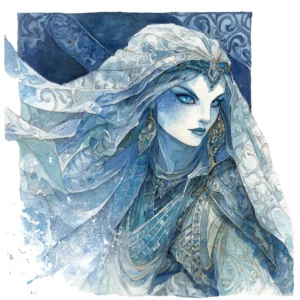
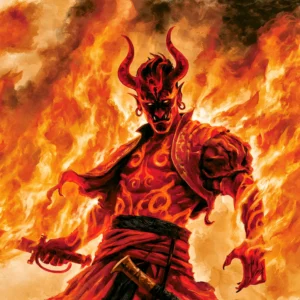
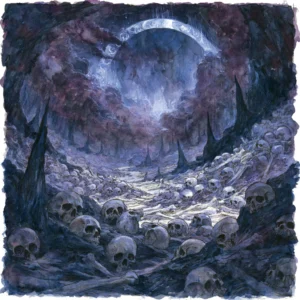
During this time of course, the Prince of Rotten Lies had not been idle. Angra Mainyu too had created offspring of his own, all of them foul powers of sin and wickedness, equal in number and power to the amesha spentas. He called them the Daevas (DIE-vahs), and they raged against the Yazad. Yes cutter, daevas—not to be confused with the devas—I’m sure the celestials are less than thrilled that the spawn of Angra Mainyu stole their syllables. The chief weapon of the daevas is druj, the Great Lie. The Daevas pierced the Great Egg and infected it with wickedness, and thus many demons and powers of darkness were also born when it hatched. These sods act as a mirrored pantheon of evil opposing the Yazad, they torment the souls of wicked petitioners who end up int heir domain, and also try to stal as many righteous souls at they can too.
Get the chant on the Daevas here…
The Baxt
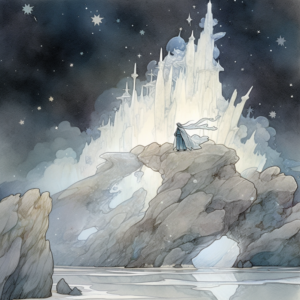
Ahura Mazda emanated three powers who would serve as the great balance. Rashnu, the god of justice would pass judgement on the souls, with the help of Sraosha, the power of conscience. Mithra, the power of light and covenants, was to be their leader. Together, they would ensure the spirits of the dead went to their correct fates. The Baxt were to oversee the Chinvat Bridge over which all Persian petitioners much pass, and thus determine in which plane they would spend their afterlives.
Get the chant on the Baxt here… (coming soon)
His work done, Ahura Mazda left his creations behind, ascended beyond the sky, and painted the heavens with stars to remind cutters of his promise to return. Chant goes he’s still out there somewhere, waiting for his time to come, at the end of history when the Yazad will triumph over the Daevas and usher in Frashokereti, the eternal era of light. The only trouble is, nobody can agree how many of the 9,000 years are left to go before Ahura Mazda gets his rightful throne. In the meantime berk, good luck!
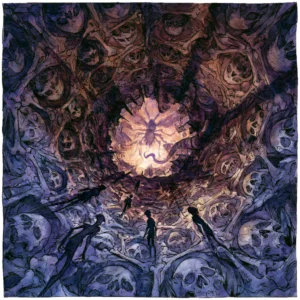
A Who’s Who of the Pantheon



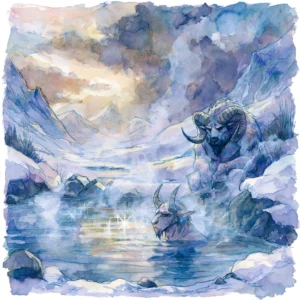
Realms of the Persian Powers

Source:Jon Winter-Holt. The sourcebook Scion 1e: Yazata was also helpful in getting my head around the Persian powers. ‘Yazata’ is I suspect also where the Pathfinder term for eladrin-like creatures, ‘azata’ comes from. The pantheon and philosophy described here are based on Zoroastrianism, at 3500 years old or more, it is one of the most ancient religions, and even more impressively, it’s still around to this day. While the religion originated in what is now called Iran, most of the 100,000+ faithful are Parsis who live in India and Iran. I’ve based this homebrew Planescape version on the myths I was able to find, but I’ve also tweaked things for balance and added my own imagined details when the official myths were vague. If you know more about this mythology than I do then I’d love to hear from you, and will gladly correct anything that’s wrong. Please drop me a message below or get in touch.